
For most of the twentieth century, there was one address in New York City that seemed to draw every great artist, writer, poet, and rock star like a magnet. They didn’t all come looking for comfort. They came looking for something harder to find: permission to be strange, difficult, and brilliant.
That address was 222 West 23rd Street. The Chelsea Hotel.
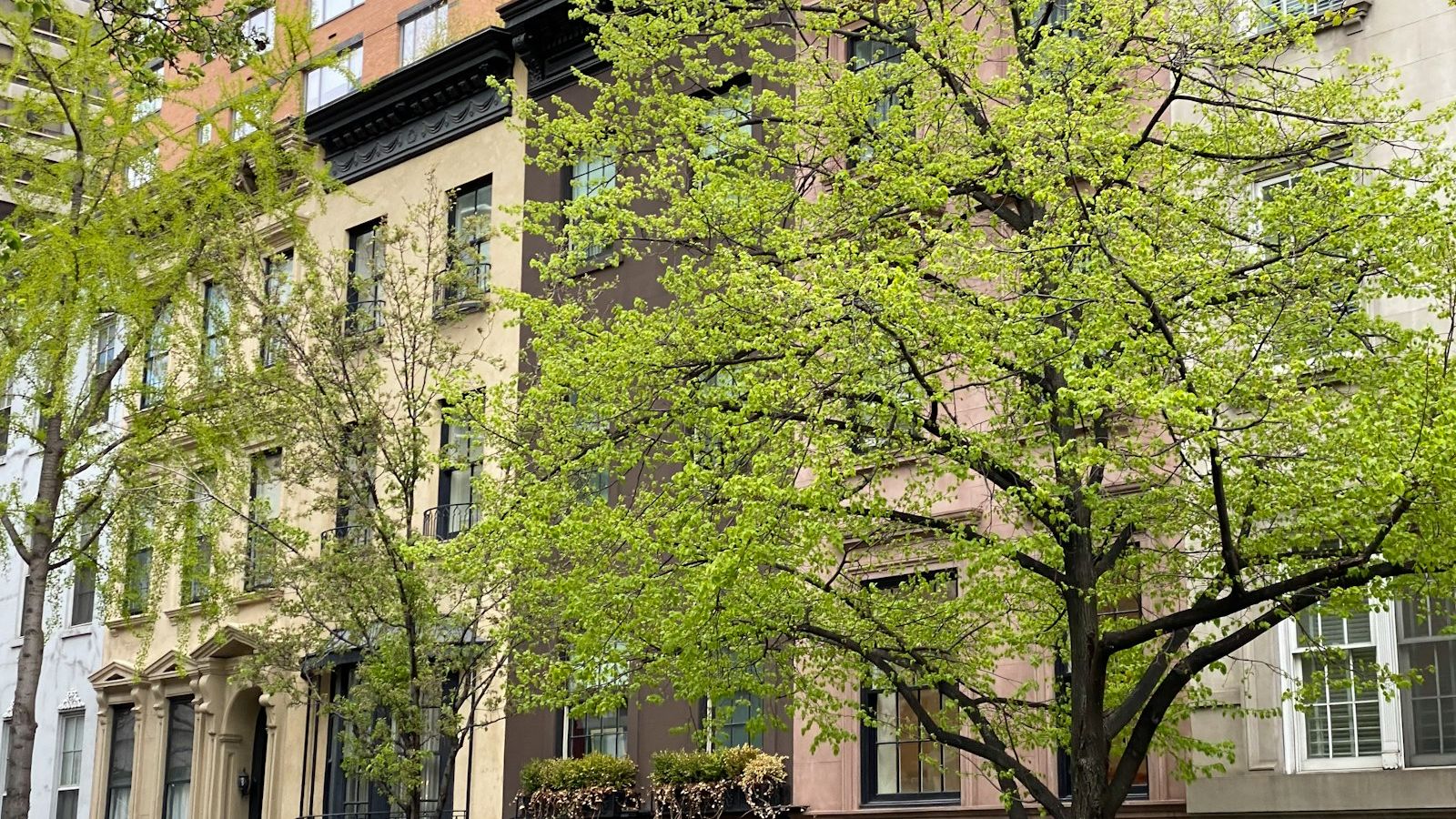
A Building Ahead of Its Time
The Chelsea Hotel was built in 1884 — not as a hotel at all, but as one of the first cooperative apartment buildings in New York City. It was progressive by design: residents would own their units together, a radical idea in Gilded Age America.
The experiment didn’t last. By 1905, the building had converted to a residential hotel. What it kept was its character: twelve stories of red brick and ornamental ironwork balconies, Victorian Gothic details crowding every facade.
The rooms were large. The walls were thick. The management famously tolerated noise, eccentricity, and artists who paid their rent in paintings. Those paintings still hang in the lobby today.
The Writers Who Found Their Voice Here
Mark Twain was one of the first famous names to make the Chelsea home. O. Henry wrote his short stories here. Thomas Wolfe finished You Can’t Go Home Again at the Chelsea, leaving a manuscript so enormous his editor had to wade through it in piles on the floor.
Arthur Miller lived at the Chelsea during one of the most turbulent periods of his life, working on plays while the rest of New York argued about his marriage to Marilyn Monroe. Tennessee Williams passed through. Brendan Behan would arrive unannounced and leave behind chaos and warmth in equal measure.
Dylan Thomas — the Welsh poet who made New York his second city — was staying at the Chelsea in November 1953 when he collapsed after a night of drinking. He died at St. Vincent’s Hospital a few days later. His room became part of the myth. The hotel kept a brass plaque on the facade. It still reads his name today.
Where Rock and Roll Checked In
By the 1960s, the Chelsea had attracted an entirely new kind of creative energy. Bob Dylan wrote songs in those rooms. Jimi Hendrix stayed. Janis Joplin passed through. The rooms had a reputation for being lived in — not visited.
Leonard Cohen wrote “Chelsea Hotel No. 2” about his time there, a tender and frank account of a brief connection made in those hallways. It remains one of the most quietly devastating songs about New York City ever written.
Patti Smith and Robert Mapplethorpe arrived as broke young artists and made the Chelsea their home for years. Smith’s memoir Just Kids is as much about the hotel as it is about the two of them — a portrait of what it felt like to be young, unknown, and absolutely certain you were standing in the right place.
The Chelsea was never glamorous in a conventional sense. It was something more useful: it was serious. People went there to work.
Enjoying this? Join New York lovers getting stories like this every week. Subscribe free →
Andy Warhol Brought His Camera
In 1966, Andy Warhol shot Chelsea Girls in the hotel’s rooms — a double-screen film documenting the underground performers, drag queens, and Factory regulars who called the Chelsea home. It became one of the first art-house films to reach mainstream theaters.
Warhol understood that the Chelsea was its own kind of stage. His larger New York world — the Factory, the silkscreens, the tin foil walls — was always connected to the underground energy that the Chelsea Hotel had been channeling for decades.
Arthur C. Clarke wrote 2001: A Space Odyssey here. Edie Sedgwick was a long-term resident. The hotel also turned up in the social circles that spilled out into Greenwich Village — the neighborhood just south of Chelsea where the counterculture was quietly assembling itself one performance at a time.
What Became of the Chelsea Hotel
The hotel changed hands several times in the 2000s. In 2011, it was sold to a development group. Many long-term residents — artists and writers who had lived there for decades — found themselves in court battles over their futures.
The building closed for a lengthy renovation. For years, scaffolding covered the ornamental ironwork. New Yorkers who had loved the Chelsea began to worry that the renovation would scrub away what made it matter.
It reopened in 2022 as a boutique hotel. The rooms are quieter and more polished than they once were. The lobby still has the paintings — works accepted as payment for rent over many decades, stacked and hung in ways that no other hotel in the world could replicate.
And the plaques are still on the facade, listing the names: Thomas Wolfe. Dylan Thomas. Arthur Miller. The hotel wears its history on the outside, which feels right for a place that always had nothing to hide.
Frequently Asked Questions
Can you visit the Chelsea Hotel today?
Yes. The Chelsea Hotel reopened in 2022 after years of renovation. You can book a room, visit the lobby, or stop by to read the bronze plaques on the facade. The lobby’s art collection — paintings accepted as rent over many decades — remains one of the most unusual gallery spaces in the city.
Where exactly is the Chelsea Hotel located?
The Chelsea Hotel is at 222 West 23rd Street in Chelsea, Manhattan, between Seventh and Eighth Avenues. It’s walking distance from the High Line and accessible via the C or E train to 23rd Street.
What is the Chelsea Hotel most famous for?
The Chelsea Hotel is famous for the extraordinary list of artists, writers, and musicians who lived and worked there: Dylan Thomas, Arthur Miller, Bob Dylan, Jimi Hendrix, Janis Joplin, Leonard Cohen, Patti Smith, and Andy Warhol, among many others. It’s also the setting of Patti Smith’s memoir Just Kids and Leonard Cohen’s song “Chelsea Hotel No. 2.”
What is the best time to visit the Chelsea neighborhood of New York?
Chelsea is worth visiting year-round, but spring and fall offer the best conditions for walking the neighborhood, exploring the High Line above, and visiting the many galleries along West 20th–26th Streets. Summer weekends draw crowds; weekday mornings are quieter and better for absorbing the architecture at your own pace.
What made the Chelsea Hotel wasn’t the architecture or even the famous names. It was the understanding — passed wordlessly from one generation of guests to the next — that this was a place where the work came first. Where being unfinished was not a flaw. Where New York allowed itself to be new.
That feeling is harder to find in the city now. But the building is still standing. And the paintings are still on the walls.
You Might Also Enjoy
- Why Greenwich Village Has Been New York’s Most Rebellious Neighborhood for 200 Years
- Why Andy Warhol Covered His New York Studio in Tin Foil — and Changed Art Forever
- The 32,000 Bars New York Built in Secret — and Why Some Never Closed
Plan Your New York Trip
Ready to explore the city that never stops surprising? Our ultimate New York travel guide covers neighborhoods, timing, and everything you need to make the most of your visit.
Join 1,100+ New York Lovers
Every weekday morning, get New York’s hidden gems, neighbourhood stories, food origins, and city secrets — straight to your inbox.
Subscribe free — enter your email:
📲 Know someone who’d love this? Share on WhatsApp →
Love more? Join 65,000 Ireland lovers → · Join 43,000 Scotland lovers →
Free forever · · Unsubscribe anytime

Subscribe Free