
Long before New York was famous for finance, fashion, or skyscrapers, one small neighborhood was already doing things its own way. Greenwich Village — a tangle of crooked streets that deliberately defy Manhattan’s grid — has been drawing rebels, artists, and dreamers for more than two centuries. Against every economic force pushing it toward conformity, it still does.
The Street That Refused to Follow the Plan
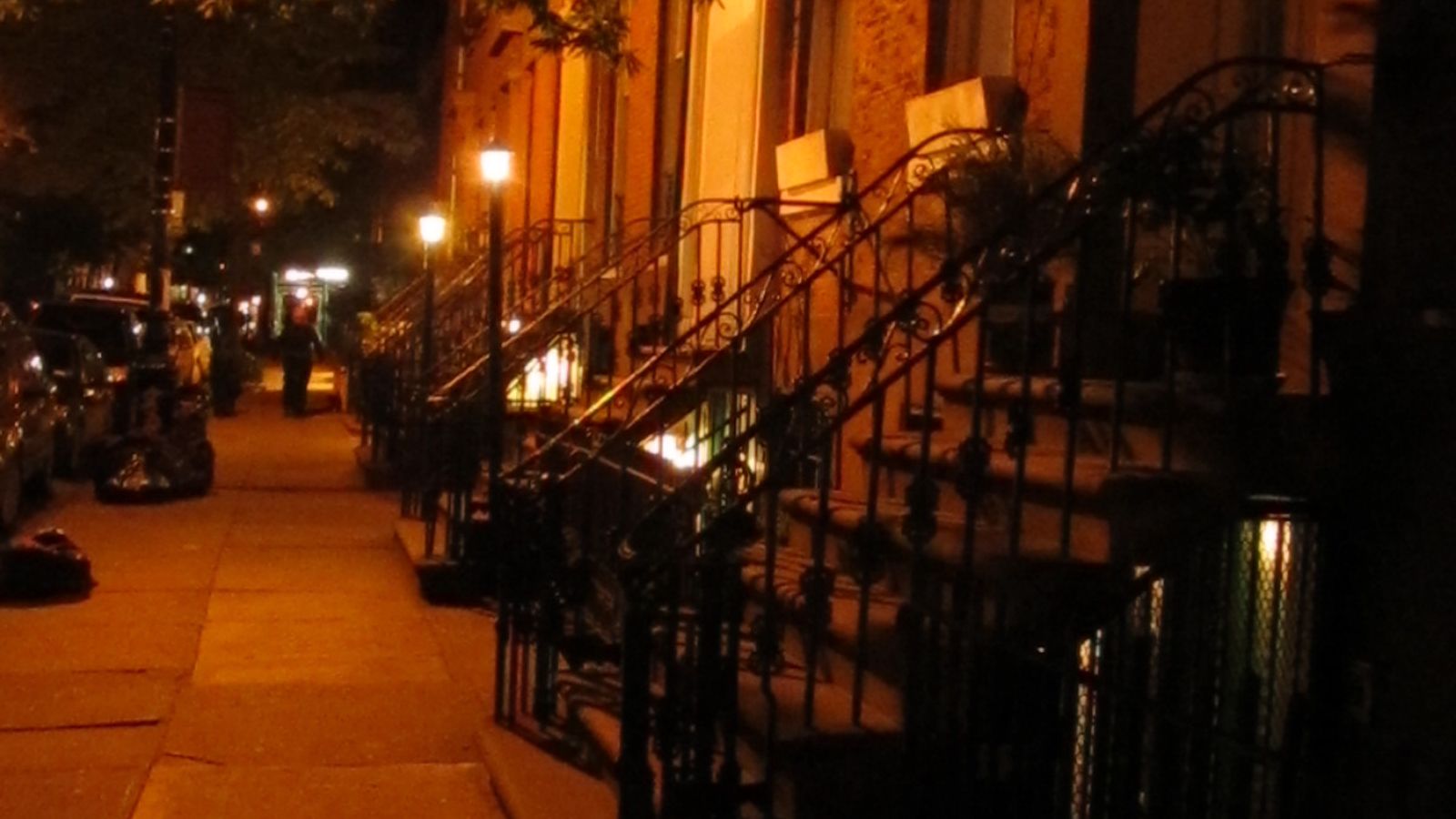
When Manhattan’s rigid street grid was laid out in 1811, Greenwich Village was already there — an established community with roads running at their own angles, following old farm boundaries and colonial-era paths. City surveyors simply worked around it.
That decision shaped everything that followed. Step off Sixth Avenue into the Village and the city’s geometry changes. Streets narrow, turn, and intersect unexpectedly. Buildings stay low. There is a sense of human scale that most of Manhattan abandoned long ago.
Those twisting streets created something rare: a neighborhood that felt enclosed, intimate, and slightly separate from the rest of the city. That feeling would prove irresistible for generations of people looking for somewhere they could breathe.
Where American Bohemia Found Its Address
By the early 1900s, the Village had become something no other neighborhood in America quite was: a place where the unconventional felt at home. Rent was low. Landlords were indifferent. The streets were full of people who had arrived from everywhere else to try something new.
Women who wanted to write found rooms here. Radicals who wanted to organize found audiences here. Artists who wanted to experiment found each other here. The cafes and back parlors of the Village hosted the kind of conversations that could not safely happen in most of the country.
What the Village gave these people was not resources — it was permission. The permission to fail publicly, to change your mind, to reinvent yourself entirely. That was a rarer gift than money.
Enjoying this? Join New York lovers getting stories like this every week. Subscribe free →
The Beat Generation’s Living Room
In the 1950s, the Village became home to the Beat Generation. Jack Kerouac wrote and drank at the White Horse Tavern on Hudson Street. Allen Ginsberg read his poems in the coffeehouses on MacDougal Street. Gregory Corso, Lawrence Ferlinghetti, and a rotating cast of writers, painters, and musicians were all working within a few blocks of each other.
These were people who had decided that postwar America’s comfort and conformity were not enough. The Village gave that feeling somewhere to live. Café Reggio — which opened in 1927 and still operates today — was a favorite haunt. It was cramped, loud, and full of strong opinions. That was the point.
The Abstract Expressionist painters were part of the same ferment. A few blocks away, at the Cedar Tavern on University Place, Jackson Pollock and Willem de Kooning argued about art in ways that would eventually reshape what the whole world thought modern painting could be.
The Folk Revival, One Block at a Time
A decade later, the Village reinvented itself again. A young man from Minnesota arrived in January 1961 with a few hundred dollars and a guitar. He spent his first winter playing in the clubs on Bleecker Street — Café Wha?, Gerde’s Folk City, the Gaslight Café — before the rest of America knew his name was Bob Dylan.
He was not alone. Joan Baez, Dave Van Ronk, Phil Ochs, and dozens of others were all making music in the same square mile. The music they made in these small, smoke-filled rooms would reach every corner of the country within a few years. But it all started in Village clubs where admission was cheap and the audience was genuinely paying attention.
The folk scene showed what happens when talented, ambitious people are concentrated in a small area and given just enough economic room to survive. The results tend to be disproportionate to the geography involved.
What the Village Still Offers
The Village is more expensive now. Most of the independent bookshops are gone. The artists who defined the neighborhood for decades have largely been priced out — some of them to SoHo and TriBeCa, before those neighborhoods went the same way.
But walk the streets on a quiet afternoon and something still holds. Washington Square Park fills with musicians, chess players, students, and people who seem to have no particular hurry. The White Horse Tavern is still there — still slightly worn at the edges, still serving the same drinks it served to Dylan Thomas and Jack Kerouac. Café Reggio still has espresso in a room that looks barely changed from the 1950s.
The Village’s greatest contribution was never a single work or a single movement. It was the idea that a neighborhood could deliberately make room for people who did not fit anywhere else — and that those people might turn out to be exactly who the culture needed most.
What is the best time to visit Greenwich Village in New York?
Spring (April to June) and fall (September to November) are ideal. The weather is mild, the outdoor cafe tables are in use, and Washington Square Park is at its most welcoming. Summer is lively but draws large crowds.
Where exactly is Greenwich Village located in Manhattan?
Greenwich Village sits in lower Manhattan, roughly between 14th Street to the north, Houston Street to the south, the Hudson River to the west, and Broadway to the east. Washington Square Park is at its center and the easiest place to start.
What are the best things to see in Greenwich Village?
Start at Washington Square Park, then walk MacDougal Street where the folk clubs once stood, stop into Café Reggio (open since 1927), and find the White Horse Tavern on Hudson Street. The streets themselves are the real attraction — give yourself time to wander without a fixed destination.
Is Greenwich Village worth visiting for cultural history?
Few neighborhoods in America pack more cultural history into such a small area. The Beat Generation, the 1960s folk revival, Abstract Expressionism, and New York’s transformation into the global center of modern art all have direct roots in these blocks.
Join 1,100+ New York Lovers
Every weekday morning, get New York’s hidden gems, neighbourhood stories, food origins, and city secrets — straight to your inbox.
Subscribe free — enter your email:
Love more? Join 65,000 Ireland lovers → · Join 43,000 Scotland lovers →
Free forever · · Unsubscribe anytime
You Might Also Enjoy
- The Downtown Bar Where American Art Stopped Apologizing to Paris
- How New York Stole the Art World From Paris — and Nobody Saw It Coming
- The Manhattan Neighborhood Where Artists Moved in Illegally — and Changed Everything
Plan Your New York Trip
Ready to explore? Our guide to free things to do in NYC covers the best no-cost experiences across every borough — including many of the Village’s greatest pleasures, from Washington Square Park to its historic cafes.

Subscribe Free