
The 7 train surfaces at Willets Point and the skyline disappears. By the time it reaches Main Street in Flushing, you are somewhere else entirely.
Not a different city. A different world.
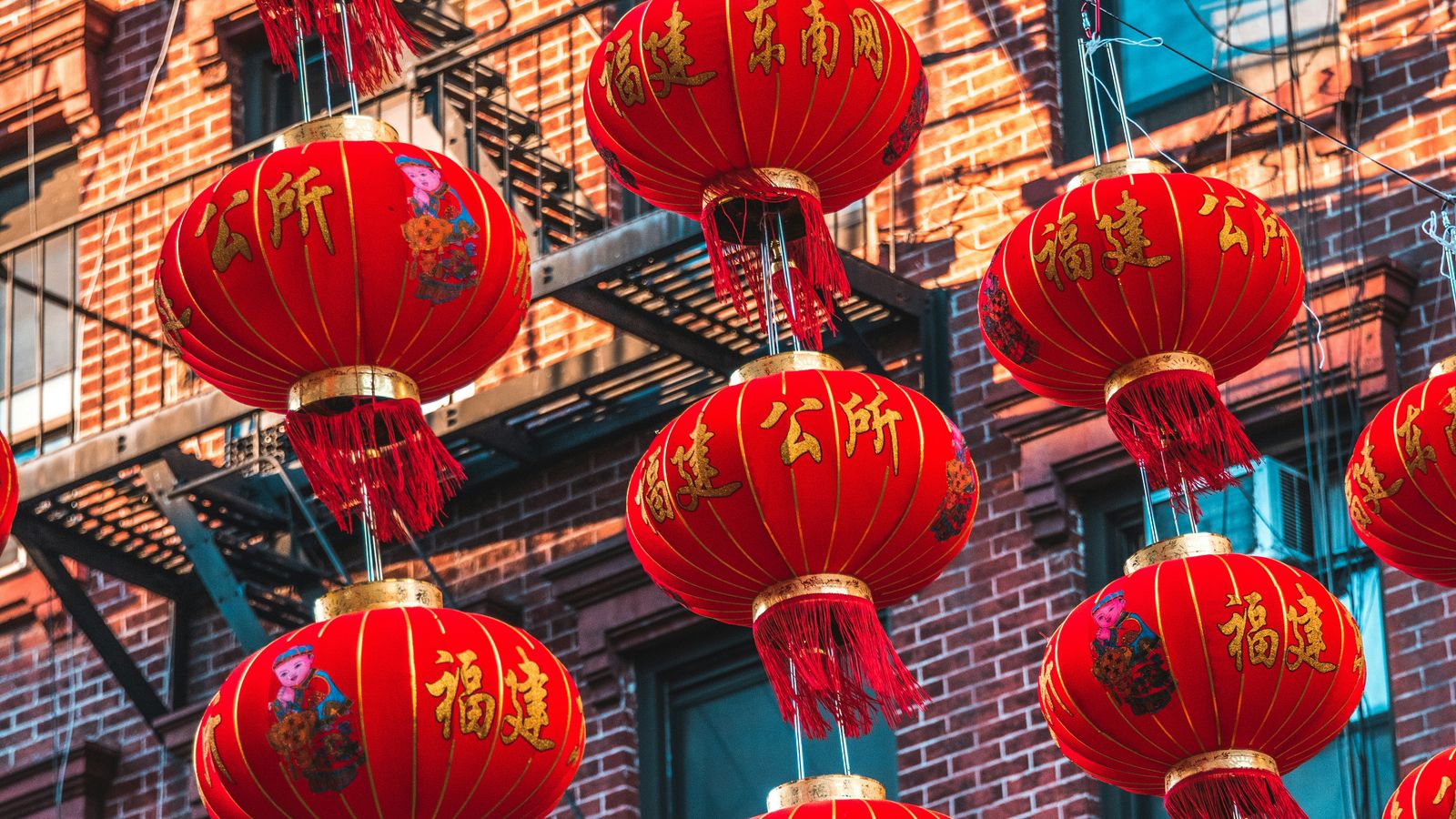
The Neighbourhood That Became Bigger Than Chinatown
Most visitors to New York City spend exactly zero minutes in Queens. They stay in Manhattan, maybe cross into Brooklyn, and call it a trip.
They are missing the most extraordinary immigrant community in the entire city.
Flushing is home to the largest concentration of Chinese immigrants in New York — bigger than Manhattan’s Chinatown, which gets all the attention. It stretches along Main Street and Roosevelt Avenue, past Cantonese bakeries and Sichuan hot pot restaurants, past Korean barbecue joints and Taiwanese noodle shops.
The first big wave came in the 1970s and 1980s, when Taiwanese and Hong Kong families chose Flushing over a crowded Manhattan Chinatown. Then came immigrants from Fujian, Guangdong, and eventually from every province in mainland China. By the 1990s, Flushing had become something no other New York neighbourhood quite is: an immigrant city within the city.
The Food Court That Will Change How You Think About Eating
The basement of the New World Mall on Main Street is not glamorous. It is fluorescent-lit and loud and the line at the best stalls moves slowly.
It is also one of the finest places to eat in New York City.
Hand-pulled noodles made to order. Soup dumplings so full of broth that you have to eat them from a spoon. Scallion pancakes pulled straight from a griddle. This is food made by people who grew up eating it, for people who know what it should taste like.
Two blocks away, the Golden Shopping Centre on Kissena Boulevard goes even deeper. No menus in English. Stalls the size of walk-in closets. Regulars who have been coming for twenty years. Dishes from regions of China that most Americans have never heard of: hand-torn noodles from Shanxi, lamb skewers from Xinjiang, sour fish soup from Guizhou.
Enjoying this? Join New York lovers getting stories like this every week. Subscribe free →
Where Korea Set Up Shop Right Next Door
Flushing is Chinese — but it is not only Chinese.
Walk north on Union Street and the signs shift from Mandarin to Hangul. Korean barbecue restaurants with smokeless tabletop grills. Korean supermarkets with forty varieties of kimchi. Korean bakeries selling milk breads and red bean pastries alongside bubble tea shops.
This is Flushing’s Koreatown — lower-key than Manhattan’s 32nd Street, but to many Koreans who live in Queens, far more authentic. The restaurants here are aimed at the people who live here, not visitors, and that makes all the difference in the world.
The 7 Train — New York’s Most International Ride
The subway line that carries you to Flushing is worth the journey on its own.
The 7 train runs east from Times Square through an extraordinary corridor. At Woodside, the passengers around you might be Filipino. At Jackson Heights, South Asian and Ecuadorian. At Corona, Mexican and Central American. By Flushing — everything at once.
The area around the 7 train corridor has been described as one of the most ethnically diverse urban stretches in the world. Every stop is a different culture. The ride itself is an argument for everything New York is supposed to be.
If you want to explore more of Queens, Astoria’s Greek neighbourhood is another part of the borough that rewards the trip.
How to Make the Most of a Day in Flushing
Take the 7 train from Times Square. The ride is about 40 minutes. Come hungry.
When you arrive at Flushing-Main Street, walk south on Main Street. Stop at a bakery and get a pineapple bun or a taro pastry. Then find the New World Mall food court in the basement and order something you have never tried before.
Walk along Roosevelt Avenue in the afternoon. Small restaurants have no English on the menu and the best food on the block. Wander without a plan. If you stick too closely to a guide, you will miss most of what makes Flushing worth coming to.
One rule: do not order American food. You are somewhere else today. That is the whole point.
What is Flushing, Queens known for?
Flushing is one of the largest Chinese-American communities in the United States and home to a thriving Korean community as well. It is best known for its extraordinary immigrant food scene — especially the food courts and small restaurants along Main Street, Roosevelt Avenue, and Kissena Boulevard.
What is the best food to eat in Flushing, Queens?
Soup dumplings, hand-pulled noodles, Sichuan hot pot, scallion pancakes, and Taiwanese bubble tea are among the highlights. The New World Mall food court and the Golden Shopping Centre on Kissena Boulevard are both essential stops for anyone serious about eating well.
How do you get to Flushing from Manhattan?
Take the 7 train from Times Square to the final stop, Flushing-Main Street. The journey takes around 40 minutes and costs a standard subway fare. Trains run frequently throughout the day and into the late evening.
When is the best time to visit Flushing, Queens?
Flushing is lively year-round, but weekends bring the biggest crowds and the most energy. Arriving mid-morning gives you the best pick of stalls before the lunch rush. Late afternoon is ideal if you want a quieter walk through the neighbourhood streets.
There is no neighbourhood in New York quite like Flushing. It does not look like the postcard version of the city. There are no brownstones, no famous bridges, no chef tasting menus with waitlists measured in months.
What Flushing has is something rarer: the feeling of a city still being built, still being remade by the people who arrived with something to prove and something to share. That feeling — of a city always in motion, always arriving, never quite finished — is what New York has been at its best for over a century.
You Might Also Enjoy
- Why Astoria Is Still the Most Proudly Greek Neighbourhood in New York
- The New York Chinatown That Preserved a World Nobody Else Remembered to Save
- What Happened to Little Italy? The Story Behind New York’s Most Bittersweet Block
Plan Your New York Trip
Ready to explore more of New York? Our New York City food guide covers the best dishes, neighbourhoods, and dining experiences across all five boroughs.
Join 1,100+ New York Lovers
Every weekday morning, get New York’s hidden gems, neighbourhood stories, food origins, and city secrets — straight to your inbox.
Subscribe free — enter your email:
📲 Know someone who’d love this? Share on WhatsApp →
Love more? Join 65,000 Ireland lovers → · Join 43,000 Scotland lovers →
Free forever · · Unsubscribe anytime
Frequently Asked Questions
How do I get to Flushing, Queens?
Take the 7 train to the Main Street station—it's your entry point to the neighborhood's restaurants and food stalls on Main Street and Roosevelt Avenue.
What makes Flushing worth visiting?
It's home to the largest Chinese immigrant community in New York, with regional cuisines from across China alongside Korean barbecue and Taiwanese noodles. The food is made by cooks who grew up eating it, for people who know what it should taste like.
Where should I eat in Flushing?
Start with the New World Mall basement on Main Street for hand-pulled noodles, soup dumplings, and scallion pancakes at independent stalls. For deeper exploration, visit the Golden Shopping Centre on Kissena Boulevard for regional specialties from across China.
Do I need to speak Chinese to enjoy Flushing's restaurants?
The New World Mall basement works fine if you don't speak Chinese, but the Golden Shopping Centre has minimal English menus and caters to regulars, so come prepared to point and explore.

Subscribe Free