
Most people pass through Chinatown looking for dumplings. What they don’t realize is that they’re also walking through one of the last places on earth where a particular version of China — the China of the 1870s — never stopped existing.
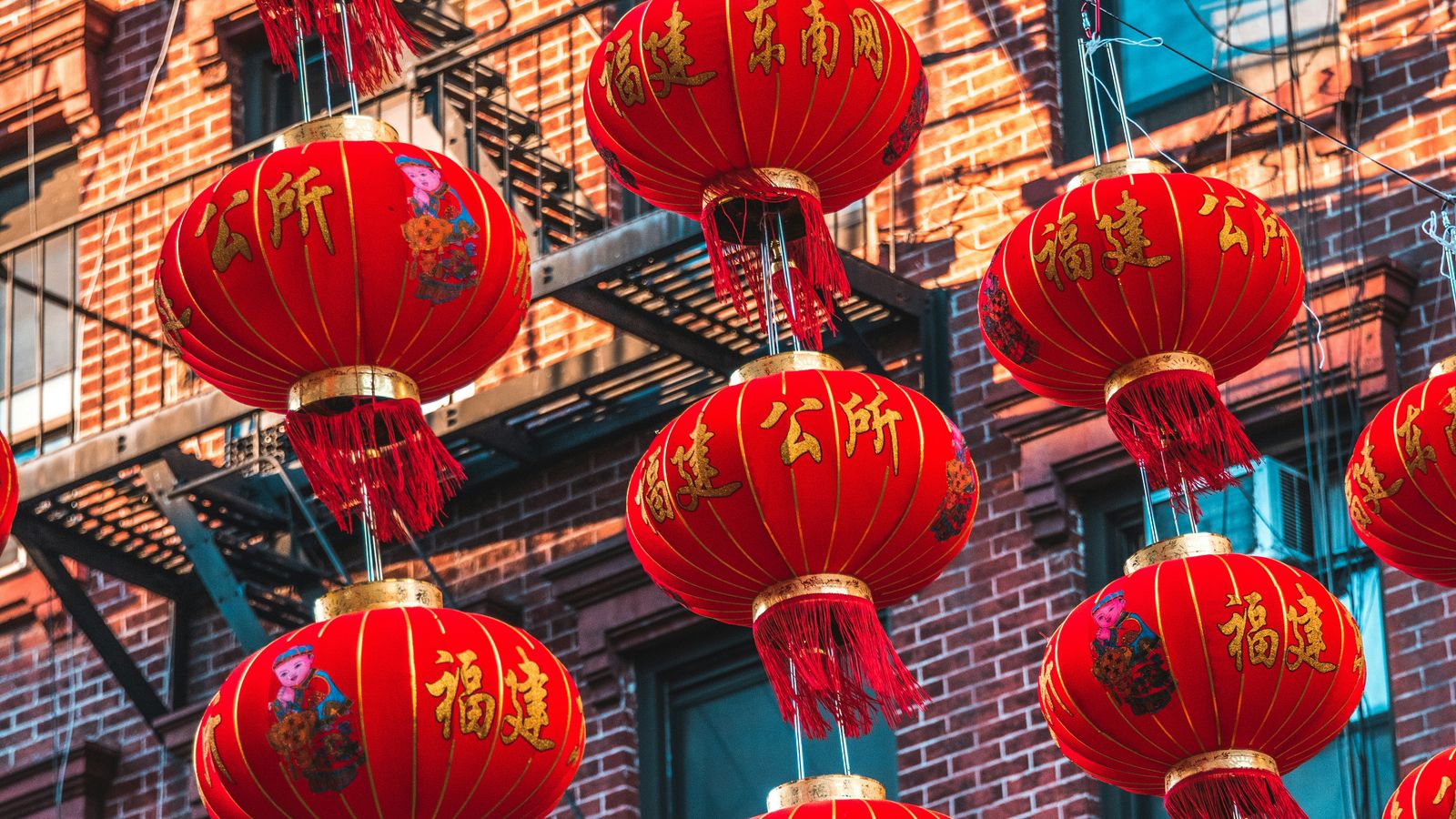
It’s not nostalgia. It’s not a theme park version of a distant culture. It’s the real thing — and most visitors walk right past it.
The Street That Built a Community
When the first Cantonese immigrants settled on Mott Street in the 1870s, they brought everything they could carry. Language, customs, food, and an elaborate system of clan associations called tongs. These weren’t criminal organizations — they were civic institutions. They helped new arrivals find work, navigate an unfamiliar city, and stay connected to home.
Walk Mott Street today and the same gathering still happens. Older men play mahjong on folding tables outside. Produce vendors call out prices in Cantonese, a dialect that’s been quietly disappearing even in Guangdong, the southern Chinese province where it originated.
The building at 16 Mott Street has housed one of the oldest tong meeting halls in the city for over a century. The sign above the door is handwritten in traditional Chinese script — the pre-1950s style that mainland China replaced with simplified characters decades ago. In New York’s Chinatown, the old way was kept.
The Bend in the Road That History Forgot
One block from Mott Street, Doyers Street curves sharply around a bend that earned it a dark reputation in the early 1900s. The tight angle made it impossible to see who was coming — and the lane became the site of tensions between rival clan associations during New York’s most fractious era.
Today the curve is just atmospheric. A narrow lane lined with barbershops, noodle shops, and a post office that has served the community for over a century. And at number 13, Nom Wah Tea Parlor has been serving dim sum since 1920 — making it the oldest dim sum restaurant in New York.
The steam baskets, the cart service, the egg tarts made to the same recipe since before your grandparents were born. Some things in Chinatown simply don’t need updating.
Preserving What China Itself Moved On From
Here’s what surprises most visitors: some of what you’ll find in Manhattan’s Chinatown no longer exists in China itself.
The Cantonese opera performances in community centers on weekends. The ancestral halls where families trace lineage back twelve generations to villages in Guangdong. The hand-painted signs in traditional script above shopfronts. The herbal medicine practitioners still filling prescriptions with dried roots, bark, and flowers — the same medicines, the same methods, for over a hundred years.
For many longtime residents, this neighborhood is more than a place to live. It’s an archive. A living record of a China that modernization, political upheaval, and time have largely erased elsewhere.
Enjoying this? Join New York lovers getting stories like this every week. Subscribe free →
The Food That Never Changed
The food in Chinatown isn’t fusion. It isn’t adapted for Western palates. It’s the real thing — and that’s precisely why it’s worth the trip.
Soup dumplings made by hand every morning. Cocktail buns and pineapple buns from bakeries that have been on the same block for forty years. Roast duck hanging in restaurant windows the way it was displayed in Hong Kong in the 1960s. On Canal Street on a Saturday morning, the sheer sensory force of the neighborhood is unlike anything else in the city.
If you want to understand what New York’s food culture is really built on, this is where you start. The dish that America calls Chinese food was actually invented just a few blocks from here — in a New York kitchen, for New York workers, by New York cooks. The neighborhood has always been creative about its own identity.
A Community That Keeps Expanding
Chinatown isn’t frozen in time. It’s very good at absorbing change without losing itself.
The neighborhood has pushed eastward over the decades, incorporating streets that were once part of Little Italy and the Lower East Side. New waves of Fujianese immigrants arrived from the 1980s onward, bringing different dialects, different foods, different customs. Today you’ll find Fujianese seafood restaurants alongside century-old Cantonese bakeries, and the two communities coexist with a naturalness that the rest of the city could learn from.
New York has always been a city of arrivals. But Manhattan’s Chinatown is one of the few places where the arrivals of 150 years ago are still visibly, tangibly present — not in a museum, but in the street.
Frequently Asked Questions
What is the best time to visit Chinatown in New York?
Lunar New Year — usually in January or February — is the most spectacular time to visit, with lion dancers, firecrackers, and community celebrations filling the streets. Weekday mornings offer a quieter, more local experience in the markets and bakeries.
Where exactly is Chinatown located in New York City?
Manhattan’s Chinatown is centered around Mott Street and Canal Street in Lower Manhattan. It’s easily reached by subway — take the J/Z, N/Q/R/W, or 6 train to Canal Street. The neighborhood is walkable and compact, bordered roughly by the Manhattan Bridge, the Bowery, and Chambers Street.
What should I eat when visiting Chinatown in New York?
Start with dim sum at Nom Wah Tea Parlor on Doyers Street (open since 1920). Then explore Canal Street for fresh produce and baked goods from the bakeries. Roast duck restaurants on Mott Street are essential, as are the hand-pulled noodle shops along East Broadway.
Is New York’s Chinatown worth visiting beyond the food?
Absolutely. The ancestral meeting halls, herbal medicine shops, traditional script signage, and weekend Cantonese opera performances make it one of the most culturally rich neighborhoods in the entire city. Budget at least two hours to wander properly — and bring cash, as many vendors don’t accept cards.
You Might Also Enjoy
- The Dish That America Calls Chinese Was Actually Invented in a New York Kitchen
- Walk Three Blocks in Harlem and You’re Suddenly in West Africa
- New York City Food Guide: What to Eat, Where to Go, and How to Do It Right
Plan Your New York Trip
Ready to explore Manhattan’s most layered neighborhood? The New York City Food Guide covers Chinatown alongside the rest of the city’s essential eating — from street carts to century-old institutions.
Join 1,100+ New York Lovers
Every weekday morning, get New York’s hidden gems, neighborhood stories, food origins, and city secrets — straight to your inbox.
Subscribe free — enter your email:
📲 Know someone who’d love this? Share on WhatsApp →
Love more? Join 65,000 Ireland lovers → · Join 43,000 Scotland lovers →
Free forever · Unsubscribe anytime

Subscribe Free