
Step off the N train at Broadway in Astoria and something shifts. The signs switch to Greek. The smell of fresh pastry drifts from a bakery that’s been open since before your parents were born. Somewhere nearby, an Orthodox church bell rings. You’re in Queens. You’re also, unmistakably, somewhere else entirely.
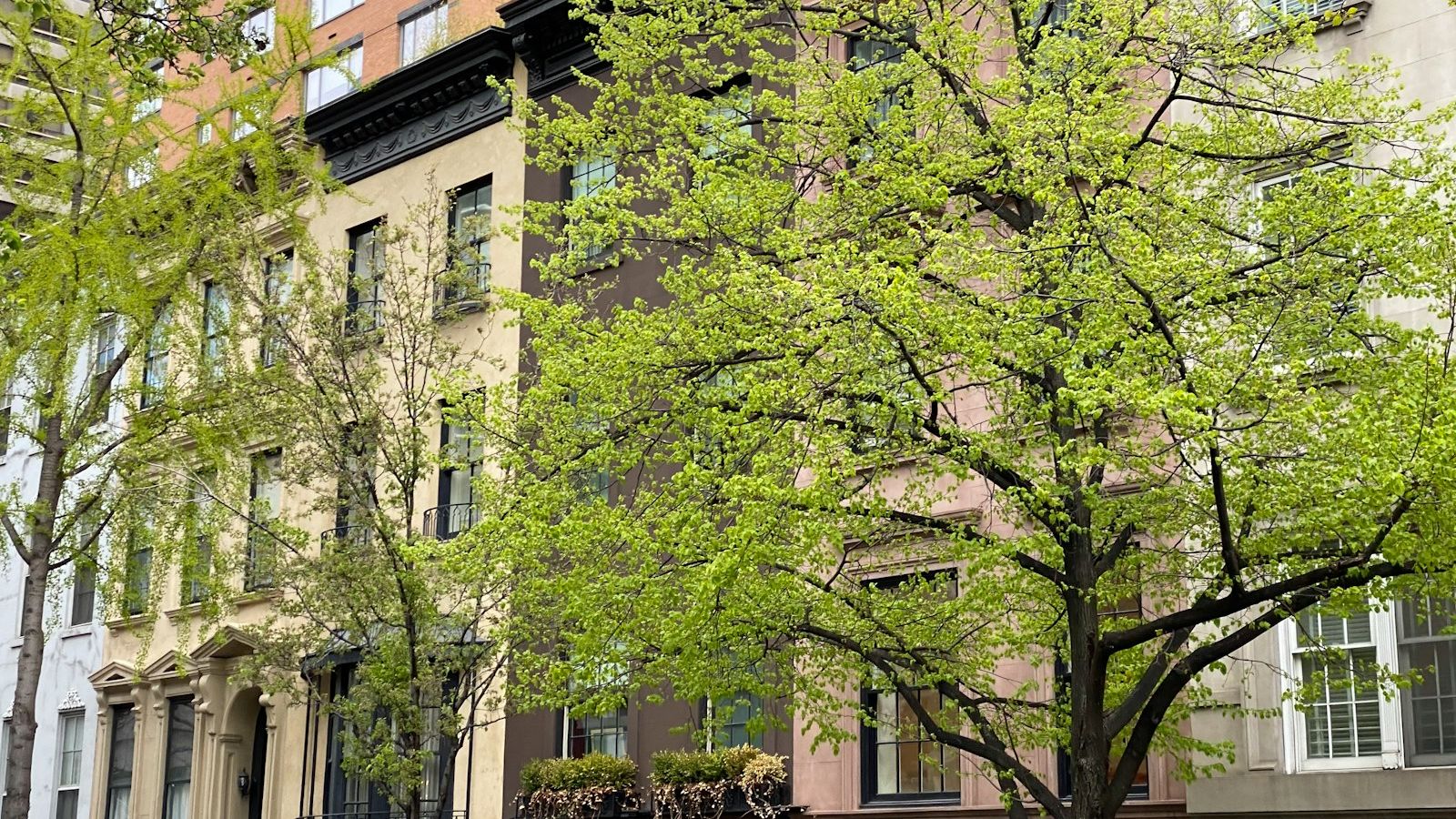
Where Greece Landed in New York
Greek immigrants began arriving in Astoria in the early 1900s. They came from the Dodecanese Islands, from Crete, from Athens — and they stayed.
After 1965, when U.S. immigration laws changed and new waves arrived, Astoria grew into one of the largest Greek communities outside of Greece itself. That reputation still holds today, and the neighbourhood backs it up on every block.
Churches were built. Community associations were formed. Bakeries opened and never closed. The infrastructure of a culture took root in Queens — and didn’t let go.
The Streets That Tell the Story
Walk down Ditmars Boulevard or 31st Street and you’ll understand why this neighbourhood has outlasted most ethnic enclaves in New York City.
Greek Orthodox churches anchor the community at both ends of the neighbourhood. The coffee shops aren’t chain cafes — they’re old-school Greek diners where the coffee is thick, the tables are small, and the conversation never stops.
Bakeries sell tiropita and spanakopita from glass cases at eye level. Fish markets get deliveries before dawn. The signs above the doors still carry Greek letters. Nobody here is in a hurry to change any of that.
The Food Is the History
Greek food in Astoria isn’t fusion or trend-chasing. It’s the same food families have been making for generations — recipes learned from parents who learned from grandparents who carried them across the sea.
Lamb slow-roasted with lemon. Braised octopus hung on a line outside a fish taverna. Loukoumades — honey fritters the size of a golf ball, served in paper cones — from a counter that’s been there as long as anyone can remember.
Newer restaurants have opened too, but the old-school spots are the ones with no empty tables on a weeknight. If there’s a line, join it. It’s worth it.
If you want to explore more of New York’s extraordinary food culture, the New York City food guide covers the full picture — from Astoria to the Lower East Side.
Enjoying this? Join New York lovers getting stories like this every week. Subscribe free →
A Borough That Changed Around It
Queens is the most ethnically diverse county on Earth. Astoria now holds Bangladeshi, Egyptian, Mexican, and Italian communities alongside the Greek one.
That diversity shows on every block. A halal butcher sits next to a Greek pastry shop. A Mexican bakery is around the corner from a spanakopita counter. You can hear four languages in a single walk to the subway.
The Greek community didn’t resist the change. They stayed, invested, and let the neighbourhood breathe. Astoria absorbed the world and stayed itself — something very few New York neighbourhoods managed to do.
Why Astoria Kept What Others Lost
Little Italy in Manhattan shrank to a few tourist blocks. Other ethnic neighbourhoods faded or transformed beyond recognition. Astoria didn’t.
The Greek Orthodox churches on 74th Street aren’t relics — they’re full every Sunday. Community organizations still run events. Local families still send their children to Greek language school on weekends.
The community built institutions that outlasted the first generation. And those institutions kept bringing people back — the children and grandchildren of immigrants who could have moved anywhere and chose to stay here.
Planning Your Visit to Astoria
Astoria is about 25 to 30 minutes from Midtown Manhattan on the N or W subway. Get off at Ditmars Boulevard for the heart of Greek Astoria. The 30th Avenue stop drops you into a more mixed, neighbourhood-feel stretch with some of the best casual restaurants in Queens.
The neighbourhood is lively year-round. Summer is when it really opens up — outdoor dining fills the sidewalks and street festivals run through August and September. If you hit a Sunday morning in July, you’ll feel like you’ve stumbled onto the set of a slow, beautiful film.
For a broader picture of where to explore across all five boroughs, the guide to the best neighbourhoods in New York City is the place to start.
What is Astoria Queens known for?
Astoria is best known for its vibrant Greek American community, traditional bakeries, fish tavernas, and Orthodox churches that have anchored the neighbourhood for over a century. It’s also one of the most ethnically diverse communities in New York City, with dozens of cultures living side by side.
How do I get to Astoria Queens from Manhattan?
Take the N or W subway from Midtown Manhattan — the journey takes about 25 to 30 minutes. Get off at Ditmars Boulevard for the main Greek strip, or at 30th Avenue or Broadway for a more mixed local experience with cafes, restaurants, and neighbourhood shops.
When is the best time to visit Astoria Queens?
Astoria is worth visiting any time of year, but summer is when the neighbourhood truly comes alive. Outdoor dining, street festivals, and community events run from June through September, and the social atmosphere spills onto the streets from late afternoon onward.
What food should I try in Astoria Queens?
Start with tiropita or spanakopita from one of the bakeries on Ditmars Boulevard. Try loukoumades — fried honey dough balls — from a street counter. Finish with a Greek coffee: thick, unfiltered, and served without any reason to rush.
Astoria doesn’t perform its identity for visitors. It just lives it. Walk down any block on a Sunday morning and you’ll feel why people who grew up here keep coming back — and why people who didn’t grow up here keep returning all the same.
This is what New York does at its very best: a neighbourhood that absorbed everything and forgot nothing.
You Might Also Enjoy
- The Best Neighbourhoods in New York City for Visitors — a complete planning guide from the West Village to Flushing
- The New York City Food Guide — what to eat, where to go, and how to do it right
- Free Things to Do in New York City — the best no-cost experiences across all five boroughs
Plan Your New York Trip
Ready to explore more of New York? The neighbourhood planning guide covers where to stay, which areas suit different travel styles, and how to make the most of each borough — including Queens.
Join 1,100+ New York Lovers
Every weekday morning, get New York’s hidden gems, neighbourhood stories, food origins, and city secrets — straight to your inbox.
Subscribe free — enter your email:
📲 Know someone who’d love this? Share on WhatsApp →
Love more? Join 65,000 Ireland lovers → · Join 43,000 Scotland lovers →
Free forever · Unsubscribe anytime
Frequently Asked Questions
How do I get to Astoria's Greek neighborhood?
Take the N train to Broadway—you'll know you've arrived by the Greek signs and smell of fresh pastry. The main streets to explore are Ditmars Boulevard and 31st Street.
What Greek food should I try in Astoria?
Look for the recipes families have been making for generations: lamb slow-roasted with lemon, braised octopus at fish tavernas, and loukoumades (honey fritters the size of a golf ball). The food isn't fusion or trend-chasing—it's authentic.
Is Astoria still a real Greek neighborhood?
It's one of the largest Greek communities outside of Greece itself and has held onto its identity in a way most ethnic neighborhoods haven't. The churches, coffee shops, bakeries, and fish markets remain essentially unchanged, with signs still carrying Greek letters.
What's Astoria's Greek neighborhood actually like?
Greek Orthodox churches anchor the community, old-school diners serve thick coffee and endless conversation, and bakeries display tiropita and spanakopita in glass cases. Fish markets get deliveries before dawn—it's a functioning community, not a museum piece.

Subscribe Free