
There is no emergency in New York City that a bodega cannot solve.
It is 2am. You need batteries, a plastic rose, a can of soup, and some ibuprofen — and you need someone who has heard it all before. The lights are on. The door is open. This is New York.
What does that NY phrase actually mean? 🗽
New York Slang Translator — bodega, schmear, regular — type any New York word and we’ll explain it.
What Is a Bodega, Exactly?
The word comes from the Spanish for a wine cellar or grocery warehouse. But what a bodega actually is defies any single definition.
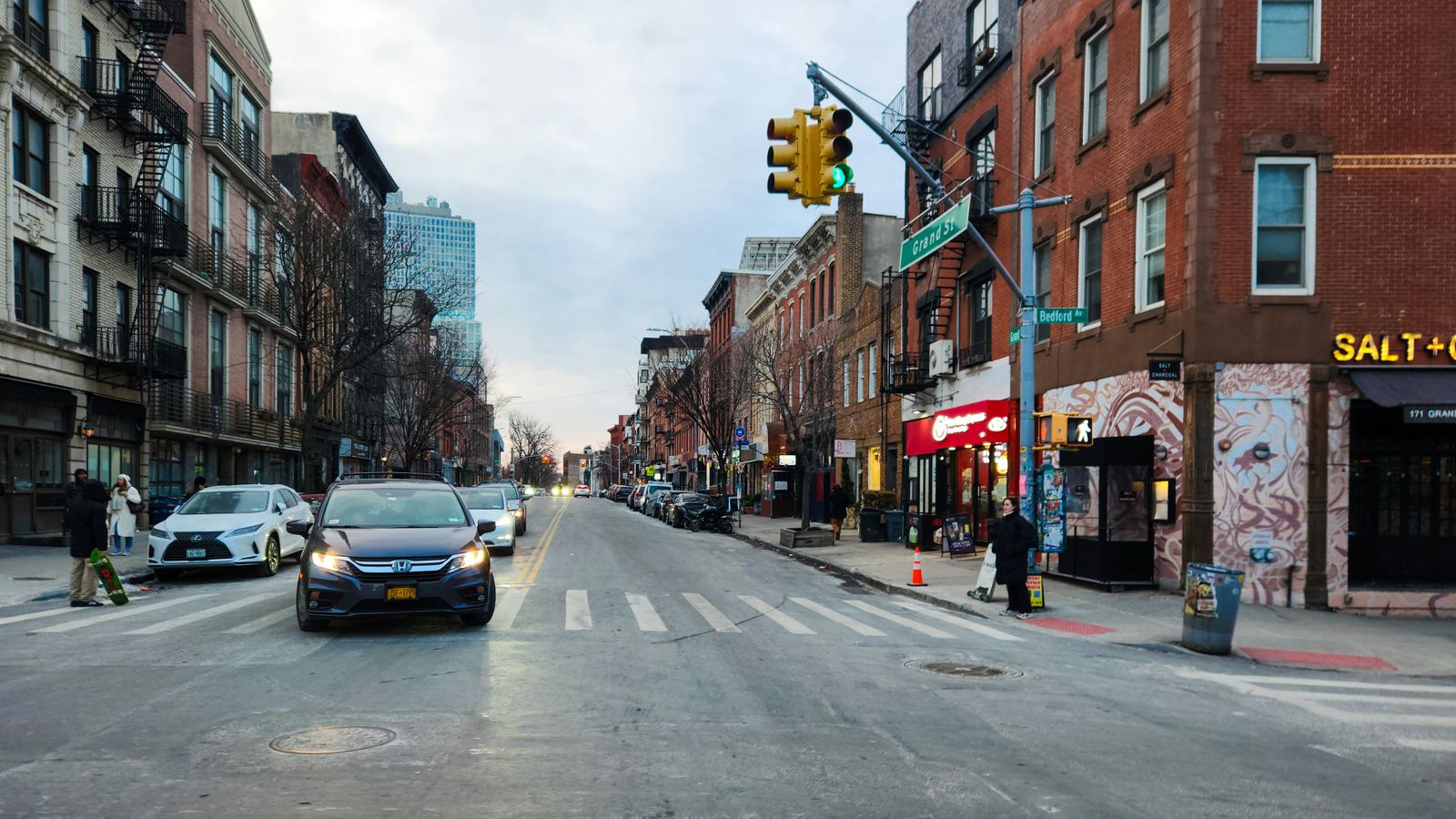
It is a corner store, yes. But it is also a pharmacy, a deli counter, a florist, a makeshift pet shelter, and sometimes a place to cash a check or leave a spare key with someone you trust.
New York City has somewhere between 6,000 and 10,000 bodegas, depending on who is counting. They range from narrow closet-sized shops with three shelves and a humming refrigerator to sprawling corner markets with an entire wall of Goya products and a deli counter that moves faster than any sit-down restaurant in the city.
The Bacon, Egg and Cheese — New York’s Unofficial Breakfast
Ask any New Yorker what they want for breakfast and they will describe the same thing: a bacon, egg and cheese on a roll, made on a flat-top griddle, wrapped in foil, and handed over with the efficiency of someone who has done it 500 times today already.
The BEC — three ingredients, infinite variations — is the bodega’s most important contribution to New York culture. It can be made on a Kaiser roll, a hero, a croissant, or a plain bagel. It can have hot sauce or ketchup. It costs somewhere between three and six dollars.
No brunch spot, diner, or celebrity chef has ever matched the one from your bodega. None of them ever will.
If you want to go deeper into the world of bodega sandwiches, the story of the chopped cheese — a seasoned ground beef and cheese sandwich that Harlem bodegas have quietly served for decades — is essential New York reading.
The Secret Power of the Bodega Cat
If you spend enough time in New York, you will meet a bodega cat.
They sit between the chips display and the cigarette case. They sleep on a shelf of Campbell’s soup. They accept absolutely no acknowledgment from anyone and make eye contact with everyone.
Bodega cats are technically not permitted by New York City health code. They exist anyway — because this is New York, and some rules have always bent in the face of practicality. The cats do real work, keeping rodent populations down in buildings that stay open all night. But they also do something else: they make the bodega feel like a home.
Enjoying this? Join New York lovers getting stories like this every week. Subscribe free →
How Dominican and Puerto Rican Families Built the Bodega
The bodega as a New York institution was built, almost entirely, by immigrant families.
Puerto Rican migrants arriving in New York in the 1940s and 50s established small grocery stores in neighborhoods that larger chains had never bothered to serve. They stocked the foods families from the island wanted — Goya beans, plantains, sofrito — and they stayed open hours no supermarket would match.
Through the 1970s and 80s, as neighborhoods shifted, Dominican immigrants took over many of these stores and made them their own. Today, Dominican families own the majority of New York’s bodegas — one of the largest concentrations of immigrant-owned small businesses in American history.
In Washington Heights, on the upper end of Manhattan, you can see what this culture looks like at full strength: a neighbourhood that rebuilt itself in Spanish and fed the whole city in the process.
The Bodega as Neighbourhood Soul
Every New Yorker has a bodega that feels like theirs.
It is not about the selection or the price. It is about being recognized. About the owner knowing your coffee order before you open your mouth. About getting two extra napkins without asking. About the fact that when you were sick last winter, someone noticed.
In a city famous for anonymity, the bodega is where New Yorkers are actually known.
Bodegas have survived 24-hour supermarkets, Amazon delivery, and every disruptive tech startup that promised to replace them. They survive because they are embedded in the neighbourhood at a level no algorithm can match. They are open. They are there. They are yours.
Frequently Asked Questions About New York Bodegas
What is a New York bodega?
A bodega is a small, independently owned corner store found throughout New York City. They sell groceries, household goods, and freshly made deli sandwiches — and most stay open late into the night or around the clock.
What should I order at a New York bodega?
The bacon, egg and cheese on a roll (known as the BEC) is the essential first order. For something even more local, ask about the chopped cheese — a seasoned ground beef and melted cheese sandwich that originated in Harlem and has spread across the boroughs.
Where can I find a great bodega in New York?
Almost every New York neighbourhood has a beloved local bodega. Washington Heights, Harlem, the Lower East Side, Bushwick, and the South Bronx all have long traditions of corner store culture — and the best one is usually whichever is closest to where you’re staying.
Are bodega cats real?
Yes — bodega cats are a genuine New York institution. Many corner stores keep a resident cat, technically at odds with city health codes, as a practical deterrent against rodents and as an unofficial neighbourhood mascot.
The next time you are in New York and someone asks if you need anything from the store, listen carefully. They do not mean a supermarket. They mean the bodega. And once you understand the difference, you understand New York.
You Might Also Enjoy
- The Harlem Bodega Sandwich New Yorkers Have Been Keeping to Themselves
- The Manhattan Neighbourhood That Rewrote the American Dream in Spanish
- New York City Food Guide: What to Eat, Where to Go, and How to Do It Right
Plan Your New York Trip
Ready to experience New York like a local? Start with our complete New York City travel guide — packed with practical tips, neighbourhood advice, and everything you need to make the most of your time in the city.
Join 1,100+ New York Lovers
Every weekday morning, get New York’s hidden gems, neighbourhood stories, food origins, and city secrets — straight to your inbox.
Subscribe free — enter your email:
📲 Know someone who’d love this? Share on WhatsApp →
Love more? Join 65,000 Ireland lovers → · Join 43,000 Scotland lovers →
Free forever · Unsubscribe anytime

Subscribe Free