
Order a pastrami sandwich at Katz’s Delicatessen on the Lower East Side and the counter guy will ask you just two questions. Hot or cold. Lean or fatty. There are no wrong answers. But what nobody tells you is that the sandwich you’re about to eat travelled seven thousand miles and over a hundred years to reach that paper plate.
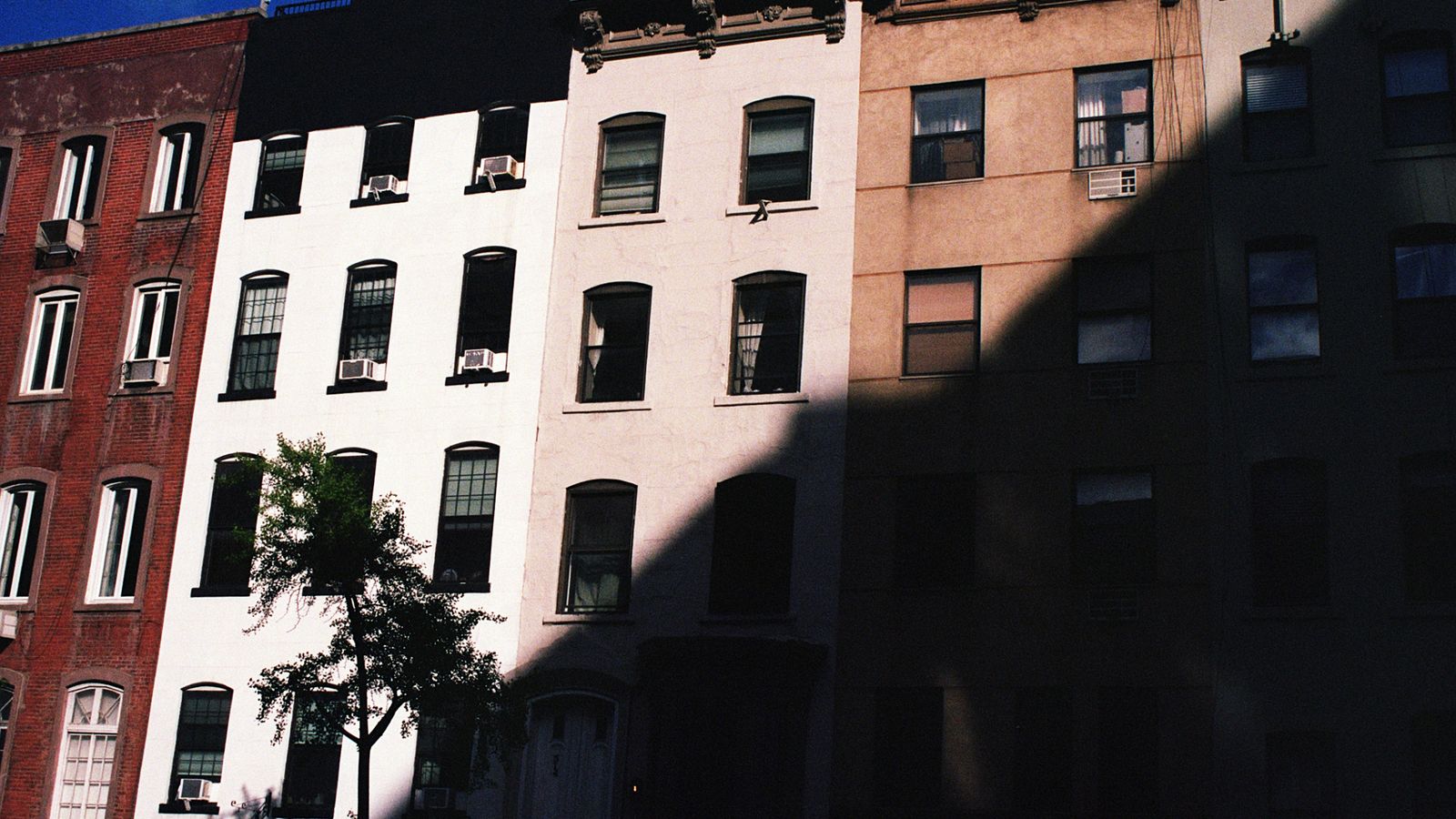
It Wasn’t New York Yet
Pastrami began as pastrama — a Romanian preservation technique for goose and beef that dated back centuries. When Romanian and Bessarabian Jews began arriving in New York in the 1880s and 1890s, they brought the technique with them, tucked among everything else they were trying to hold onto.
The Lower East Side was already dense with Jewish immigrants from Poland, Russia, and Lithuania. The Romanians settled largely around Allen Street, below Houston. They brought something different: cured, smoked, peppercorn-crusted beef unlike anything else in the neighborhood.
It caught on fast. By 1900, the smell of smoke and spice was as much a part of the Lower East Side as the pushcarts and the Yiddish arguments at every corner.
Why Beef Changed Everything
In Romania, pastrama was most often made with goose — but beef was plentiful and cheap in New York. The immigrants adapted. The fatty navel cut proved perfect for the long curing and smoking process that gave pastrami its characteristic tenderness.
Butchers on Delancey and Essex Street began curing their own. Pickles came from barrels on the sidewalk. Rye bread came from the Jewish bakeries already stacked along every other block. A new New York meal was assembling itself organically, one immigrant ingredient at a time.
Nobody planned this. There was no chef, no restaurant group, no trend piece. Just people making what they knew how to make, feeding a neighbourhood that was hungry for something familiar in a very unfamiliar place.
The Delis That Turned It Into Legend
The delis of the Lower East Side weren’t just restaurants. They were community centres — where you came when you arrived off the boat and needed to hear Yiddish, where you stayed for three hours over a corned beef sandwich and argued about everything.
Katz’s Delicatessen opened in 1888, eventually settling at the corner of Ludlow and Houston. It survived the neighbourhood’s transformation from immigrant enclave to slum to arts district. It survived gentrification. It survived everything. The hand-painted sign over the counter still reads: “Send a salami to your boy in the army.”
Across town, the 2nd Ave Deli kept its own version of the tradition alive on the Upper East Side, serving the same thick-sliced pastrami that had defined New York Jewish food for generations.
Enjoying this? Join New York lovers getting stories like this every week. Subscribe free →
What Most People Get Wrong About the Sandwich
The pastrami sandwich has never been formally defined. No recipe is official. But certain things are understood.
It must be on rye. Spicy brown mustard is non-negotiable for purists. The meat must be sliced thick enough to hold its shape but thin enough to fold. And it must be steamed after slicing — a step that softens the fat and deepens the smoke flavor, and a step that is almost always skipped in versions you’ll find outside New York.
When you order it at Katz’s, the counter man slices to order. He’ll hand you a piece to taste before he builds the sandwich. This is not a performance for tourists. This is how it was always done.
After the Golden Age
At its peak, there were thousands of Jewish delis in New York’s five boroughs. Every neighbourhood had one — they were as fixed and familiar as the subway stations. Then the postwar suburbanization hollowed them out. Families left the Lower East Side. The old neighborhoods changed.
By the 1980s, the survivors could be counted on one hand. The ones that made it through became legends not just because of the food, but because of what they represented: the memory of a New York that doesn’t fully exist anymore, preserved in brisket fat and black pepper.
A new generation of Jewish-style delis has since arrived in Brooklyn and Manhattan — places like Mile End Deli in Noho, bringing a Montreal take on smoked meat to New York. The tradition is being reinterpreted, not abandoned.
You can read the full story of how this neighbourhood shaped New York’s food identity in our guide to the Lower East Side that Jewish immigrants built. And for how New Yorkers eat today, the Union Square Greenmarket story is worth your time.
Stand at the counter at Katz’s and watch the slicer work before you order. The same motion, the same cut, the same peppercorn crust as a hundred years ago. Somewhere on the Lower East Side, a Romanian immigrant is responsible for this. He probably never imagined that one day, millions of people would travel to a city on the other side of the world just to taste what he brought from home.
You Might Also Enjoy
- The Lower East Side That Jewish Immigrants Built — the neighbourhood that gave New York its food identity
- The Saturday Market That Changed How New York Eats — 50 years of the city’s most beloved food institution
- What New Yorkers Mean When They Say They’re Going to the Bodega — another corner of New York food culture that outsiders always underestimate
Plan Your New York Trip
Ready to eat your way through New York history? Our New York City travel tips guide covers everything you need to know before you arrive — from the best neighbourhoods to explore to the food stops you shouldn’t skip.
Frequently Asked Questions
What is the history of pastrami in New York City?
Pastrami arrived in New York with Romanian-Jewish immigrants in the 1880s and 1890s. Adapted from a Romanian curing technique originally used for goose, it was reinvented with beef on the Lower East Side and quickly became a defining food of New York’s Jewish deli culture.
Where can I find the best pastrami sandwich in New York?
Katz’s Delicatessen on the Lower East Side is the most iconic option and has been operating since 1888. The 2nd Ave Deli on the Upper East Side is a strong alternative. Both slice to order and steam the meat fresh.
What makes New York pastrami different from pastrami elsewhere?
New York pastrami uses a navel cut of beef that is dry-cured with spices, smoked, and then steamed before serving. The steaming step — which tenderises the meat and intensifies the smoke — is what most pastrami outside New York skips. The combination of rye bread, spicy brown mustard, and a counter-man who slices in front of you is part of the experience.
When is the best time to visit Katz’s Delicatessen in New York?
Katz’s is open daily, but weekday lunchtimes and mid-mornings are the calmest. Weekend afternoons bring the longest lines. It’s worth the wait either way — but going on a Tuesday at 11am means you’ll actually be able to hear yourself think while you eat.
Join 1,100+ New York Lovers
Every weekday morning, get New York’s hidden gems, neighbourhood stories, food origins, and city secrets — straight to your inbox.
Subscribe free — enter your email:
📲 Know someone who’d love this? Share on WhatsApp →
Love more? Join 65,000 Ireland lovers → · Join 43,000 Scotland lovers →
Free forever · · Unsubscribe anytime

Subscribe Free