
North of 155th Street, Manhattan transforms. The street signs shift to Spanish. Merengue drifts from apartment windows. The neighborhood that most visitors never reach has been quietly defining what it means to be a New Yorker for over sixty years.
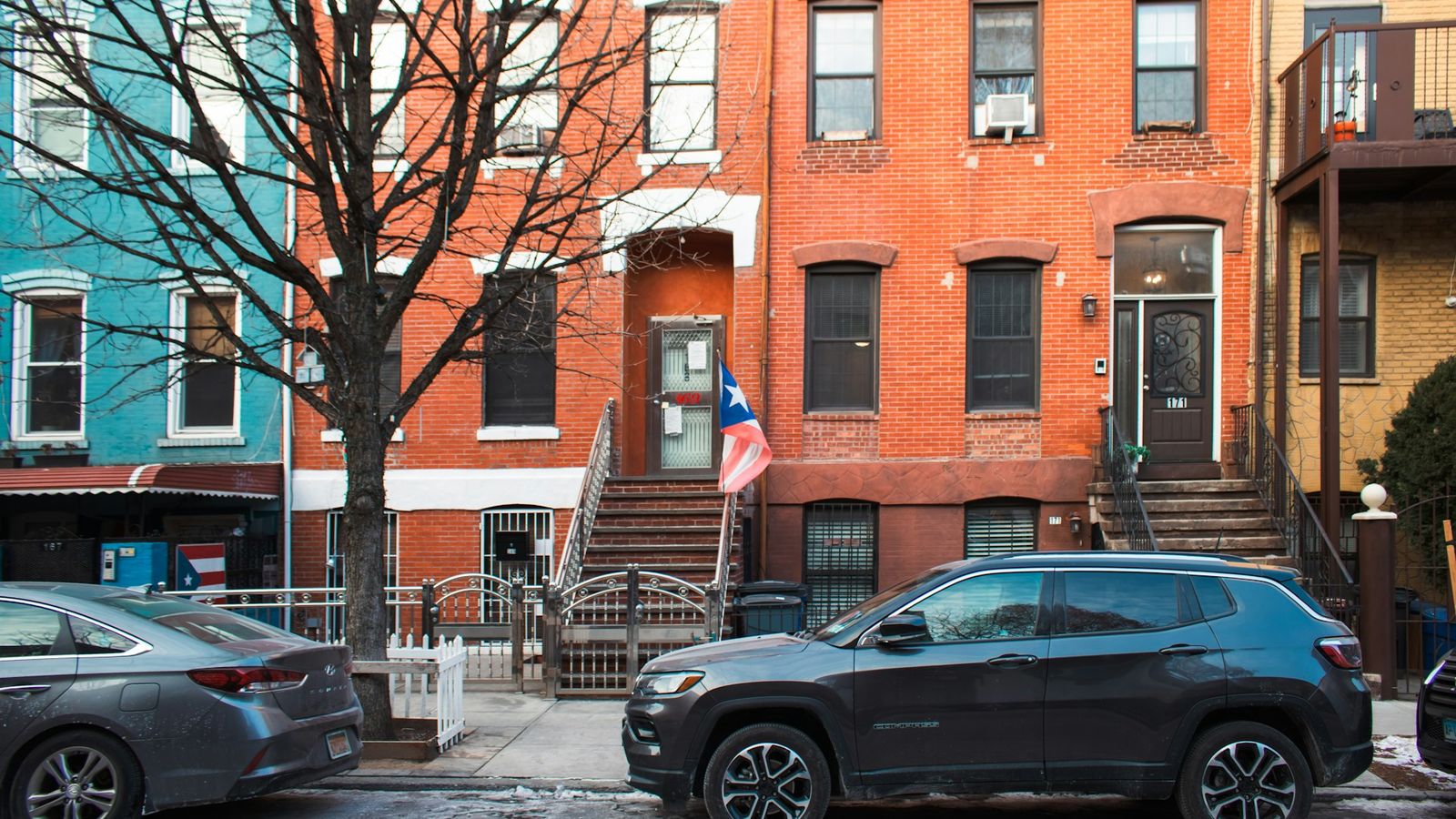
How Washington Heights Became the Capital of Dominican New York
Washington Heights occupies the northern tip of Manhattan — roughly from 155th Street up to Inwood. For most of the twentieth century it sheltered Jewish families, then Irish ones, then Cuban arrivals. Beginning in the 1960s, Dominican immigrants began arriving, drawn by relatives already settled in the neighborhood. Within two decades, the Heights was unmistakably theirs.
By the 1980s, Washington Heights had become the largest Dominican community outside the Dominican Republic itself. Today it still holds that title.
The neighborhood’s blocks run steep and close together. The buildings are old. The rents, until recently, were among the most accessible in Manhattan. That combination made the Heights a landing point for wave after wave of arrivals who had little money, plenty of ambition, and family already waiting upstairs.
The Bodega as a Bridge Between Two Worlds
No institution shaped the Heights more than the corner bodega. These weren’t just places to buy groceries. They were money-transfer stations, phone-card stands, bulletin boards for job listings and community news, and the first address anyone gave when they arrived from the island.
You could wire money to Santo Domingo, drink a strong cafecito, and hear the latest news from home — all without speaking a word of English. For thousands of families navigating immigration paperwork, landlords, and an unfamiliar city, the bodega made the impossible feel survivable.
Over time, those bodegas made converts of the whole city. The Dominican sandwich — ham, salami, and white cheese pressed on soft pan sobao — became one of New York’s great unsung street foods. You can still find it on Broadway at 181st Street.
Broadway at 181st Street
The stretch of Broadway between 175th and Dyckman Street functioned for decades as Washington Heights’ commercial spine. Barbershops, bachata record stores, travel agencies with faded beach posters, and restaurants serving pernil and mangu lined both sides of the avenue.
Malecon Restaurant on Broadway drew diners from across the five boroughs for rotisserie chicken and rice and beans that tasted like a Sunday in the Cibao region of the Dominican Republic. These weren’t tourist stops. They were the structure of daily life — the places where communities are built one coffee at a time.
Enjoying this? Join New York lovers getting stories like this every week. Subscribe free →
Fort Tryon Park and the View Worth the Trip
Washington Heights rewards visitors who climb. Fort Tryon Park — one of the most beautiful and most overlooked green spaces in Manhattan — sits at one of the island’s highest points. From the ridge above the Hudson, the view west over the Palisades stops people mid-stride.
The park’s Heather Garden is the largest public garden in New York City’s entire park system. In late spring it blooms in waves of purple and gold. At the park’s northern end, The Cloisters — a medieval art museum assembled from actual European monastery stonework — anchors the landscape like something from another century. Few visitors outside the neighborhood bother to find it. Those who do remember it forever.
The George Washington Bridge glitters below, connecting Manhattan to New Jersey and framing one of the city’s great unsung views. Most New Yorkers have never stood there.
A Community That Built Its Own City
What makes Washington Heights extraordinary isn’t just its scale — it’s what was built here from scratch. Cultural organizations, Dominican newspapers, neighborhood churches, community health clinics, and a whole economy of small businesses that needed no translation. The neighborhood didn’t receive immigrants passively. It helped turn them into New Yorkers.
The poet Julia de Burgos spent her last years in the Heights, writing about longing and rivers and the particular quality of the light over the Hudson. That longing still lives in the neighborhood — layered now with decades of pride, with music that spills into the street, with the smell of coffee and garlic on a warm afternoon.
Washington Heights doesn’t ask to be visited. But those who come rarely leave without something they didn’t expect to find.
Frequently Asked Questions
What is the best time to visit Washington Heights in New York?
Late spring through early fall is ideal. Fort Tryon Park’s Heather Garden peaks in May and June, and the neighborhood’s street culture is most vibrant in warm weather. Summer evenings bring outdoor music and community gatherings along Broadway.
Where can I find the best Dominican food in Washington Heights?
The stretch of Broadway between 175th and 207th Streets is the neighborhood’s culinary heart. Look for restaurants serving mangu, pernil, and rotisserie chicken — several have been open for decades and draw regulars from across all five boroughs.
How do I get to Washington Heights from midtown Manhattan?
The A express train from Times Square reaches 175th Street in roughly 20 minutes. The 1 train also runs local along Broadway through the neighborhood, with stops at 181st and 191st Streets.
Is Washington Heights worth visiting for tourists?
Absolutely. Fort Tryon Park, The Cloisters, the Dominican restaurant scene on Broadway, and the neighborhood’s authentic street life make it one of the most rewarding destinations in New York for visitors willing to go beyond the standard tourist trail.
You Might Also Enjoy
- The Hidden Stories Inside the Lower East Side’s Immigrant Streets
- Walk Three Blocks in Harlem and You’re Suddenly in West Africa
Plan Your New York Trip
Our guide to New York City’s best neighbourhoods covers where to stay, which areas reward deeper exploration, and how to make the most of every day in the city.
Join 1,100+ New York Lovers
Every weekday morning, get New York’s hidden gems, neighbourhood stories, food origins, and city secrets — straight to your inbox.
Subscribe free — enter your email:
📲 Know someone who’d love this? Share on WhatsApp →
Love more? Join 65,000 Ireland lovers → · Join 43,000 Scotland lovers →
Free forever · Unsubscribe anytime

Subscribe Free