
Walk down Nassau Avenue on a Tuesday morning. You will hear Polish spoken at the deli counter. You will smell fresh pierogi from a bakery that has been open since 1978. You will see the flag of Poland in a shop window next to a hand-lettered sign in two languages. This is Greenpoint, Brooklyn — one of the most intact Polish immigrant neighbourhoods in the United States.
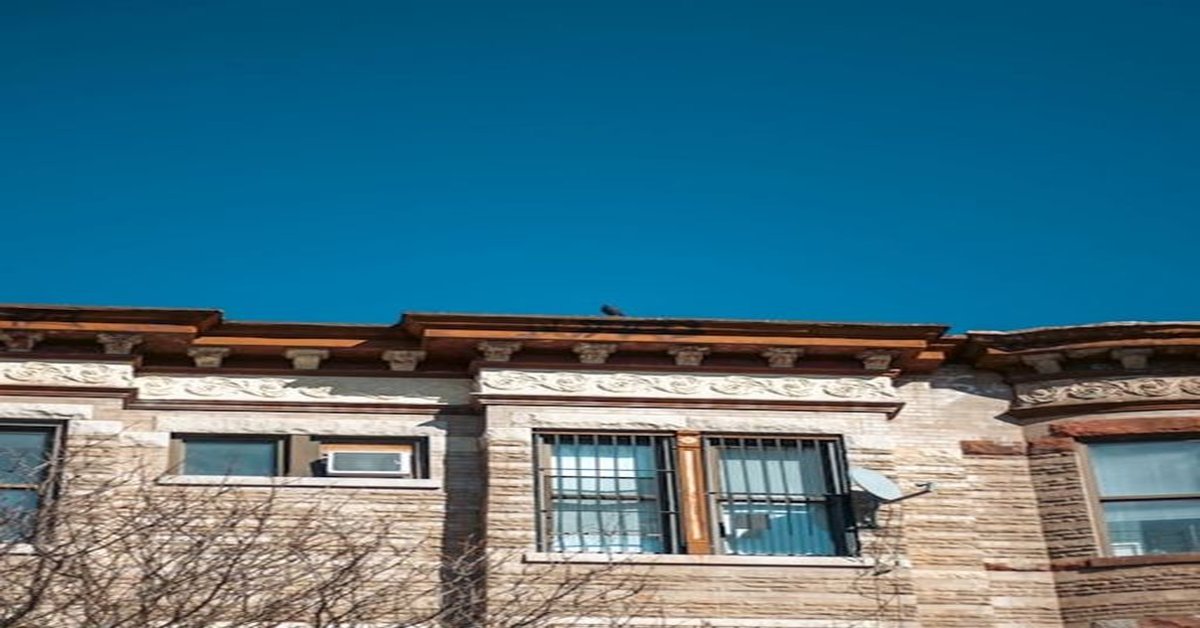
Greenpoint sits at the northernmost tip of Brooklyn, separated from Queens by the Newtown Creek. For over a century, it has been known by one name above all others: Mała Polska — Little Poland. The community here did not simply survive. It endured wars, displacement, communism, and gentrification. And it is still here.
If you have Polish roots in New York — or if you simply want to understand how immigrants shaped this city — Greenpoint is essential. This is its story.
If you love New York’s hidden stories, you’ll love our free weekly newsletter. Subscribe to Love New York →
How the Dutch Named It — and the Poles Claimed It
Greenpoint’s name comes from the Dutch: Groen Pointe, meaning Green Point. Dutch settlers farmed this peninsula in the 1600s. For two centuries, it remained agricultural land.
That changed in the 1840s. Industry arrived fast. Shipyards opened along the waterfront. Factories for rope, glass, and paint followed. The Newtown Creek — now one of the most polluted waterways in America — became an industrial corridor.
Irish immigrants came first, fleeing the Famine. Then came Germans. Then Italians. Greenpoint was a working-class neighbourhood built on hard labour and cheap rent. Just like Five Points in Manhattan, it was the kind of place where you arrived with nothing and built something from scratch.
The Polish immigrants arrived in the 1880s. Most came from the Galicia region — then part of the Austro-Hungarian Empire. They were fleeing poverty, not persecution. They needed work. The shipyards and factories of Greenpoint were hiring.
The First Parish — and the Real Beginning of the Community
In 1896, a group of Polish families founded St. Stanislaus Kostka Parish on Driggs Avenue. It was the first Polish Catholic parish in Greenpoint. The building they raised still stands today.
For immigrant communities, the parish was everything. It was where you baptised your children. It was where you buried your parents. It was where the priest spoke your language and the hymns sounded like home.
St. Stanislaus Kostka became the anchor of Polish Greenpoint. A school followed. Then a community hall. Then a Polish credit union. The neighbourhood began to organise itself around Polish language, Polish faith, and Polish identity.
By 1920, Nassau Avenue — Greenpoint’s main commercial street — was lined with Polish butchers, bakeries, and grocers. Signs in the windows were printed in Polish. Children played in the streets speaking their parents’ language. The neighbourhood had a name now: Mała Polska.
The Second Wave — Survivors and Refugees
The Second World War shattered Poland. Six million Polish citizens died. The country emerged from the war under Soviet communist rule.
Between 1945 and 1952, thousands of Polish displaced persons came to New York. They were survivors of concentration camps. They were soldiers who had fought alongside the Allies. They were families who could not go home — because home no longer existed as they knew it.
Greenpoint absorbed many of them. The existing Polish community provided immediate support. The church organised food and housing. Polish-language newspapers helped newcomers navigate the city. This second wave brought professionals and intellectuals alongside labourers. It deepened and broadened what the community had built.
The pattern was not unlike what happened in the Lower East Side, where Jewish refugees rebuilt their lives in the same decades. New York absorbed survivors and gave them streets to call their own.
Want more stories like this? Our weekly newsletter goes deeper into New York’s heritage every week. It’s free. Subscribe here →
The Third Wave — Solidarity and Escape
In December 1981, Poland’s communist government declared martial law. The Solidarity trade union movement was crushed. Thousands of activists were imprisoned. Those who could leave, left.
The third and largest wave of Polish immigration to Greenpoint began that year. Between 1981 and 1989, an estimated 30,000 Poles settled in the neighbourhood. Many came illegally at first, using tourist visas and simply staying. They were political refugees by circumstance, even when the law did not recognise them as such.
Nassau Avenue changed again. More Polish delis opened. More Polish-language signs appeared. The Polish and Slavic Federal Credit Union — founded in 1976 on Driggs Avenue — expanded to serve the growing population. By the mid-1980s, Greenpoint was the most densely Polish neighbourhood outside of Poland itself.
Families crowded into apartments. Women cleaned offices in Manhattan and sent money home. Men worked construction. Children attended Polish Saturday schools to keep the language alive. The community fought, in every quiet way it could, to remain Polish in a city that was always moving on.
Life on Nassau Avenue — Then and Now
Nassau Avenue has always been the heart of Polish Greenpoint. In the 1980s, it was almost entirely Polish-owned. You could walk its length without speaking a word of English.
The delis were essential. W Nassau Avenue — simply called “W Nassau” by regulars — opened in the 1970s and became the most famous Polish grocery in New York. It stocked kiełbasa (Polish sausage), bigos (hunter’s stew), sernik (cheesecake), and rye bread baked the old way. People drove from Queens and New Jersey just to shop there.
Eagle Provisions, a Polish butcher on 5th Avenue in the nearby South Slope, drew Greenpoint residents for decades. It closed in 2008 — mourned like a family member.
Today, Nassau Avenue is changing. Gentrification has reshaped parts of Greenpoint since the early 2000s, driven in part by the overflow from Williamsburg’s art and restaurant scene. Young professionals moved in. Rents rose. Some Polish shops closed.
But the core remains. You can still buy żurek (sour rye soup), fresh pierogi, and Polish cold cuts on Nassau Avenue today. The Polish-language services at St. Stanislaus Kostka still draw a congregation. The credit union on Driggs Avenue still operates. The community is smaller than it was, but it is stubbornly, deliberately still here.
The Churches That Held the Community Together
Two Catholic churches define the spiritual geography of Polish Greenpoint.
St. Stanislaus Kostka Parish on Driggs Avenue dates to 1896. The interior has been lovingly maintained. Mass in Polish is still celebrated every Sunday. The parish hall downstairs hosts Polish cultural events throughout the year.
St. Anthony of Padua Parish on Manhattan Avenue became the second major Polish parish. It served the overflow from St. Stanislaus as the community grew after the war. Both churches remain central to neighbourhood life.
The parishes did more than offer religion. They offered community infrastructure. They ran schools. They co-ordinated charity. They published bulletins in Polish. They were — as they were in Little Italy and in Irish Brooklyn — the backbone of a community that the wider city often ignored.
What to Visit in Greenpoint Today
A heritage visit to Greenpoint rewards the patient walker. Here is where to go.
Nassau Avenue (between Manhattan Ave and Lorimer Street)
The main Polish commercial strip. Walk slowly. Look at the delis, the bakeries, the Polish-language signage. Buy something from a Polish butcher or bakery — it is the best way to understand what the neighbourhood is.
St. Stanislaus Kostka Church, Driggs Avenue
Visit outside of Mass hours or attend the Sunday Polish-language service. The church exterior is modest. The interior, with its Polish devotional art, tells the story of what this community valued.
Polish and Slavic Federal Credit Union, 176 Java Street
The credit union is not a tourist site, but its presence matters. It has served Polish immigrants for nearly 50 years. It is a sign of a community that built its own financial institutions rather than depending on those that did not serve them.
Transmitter Park and Newtown Creek
Walk to the waterfront. The Newtown Creek is still being cleaned up from a century of industrial pollution. But the park at the northern end of Greenpoint gives you a view of the waterway that shaped this neighbourhood’s economy — and a sense of the isolation that made it its own world.
McCarren Park
The park between Greenpoint and Williamsburg has been a gathering place for Polish families for generations. In summer, the park still fills with Polish speakers, families with children, older residents who have lived in Greenpoint for 40 years and have no intention of leaving.
Tracing Your Polish Roots in New York
If your family came from Poland and passed through New York, several archives can help.
The Ellis Island passenger records database (libertyellisfoundation.org) covers arrivals from 1892 to 1957. Searching by surname and country of origin will often locate your ancestor’s arrival manifest — including the village they came from in Poland.
The New York Public Library’s Milstein Division holds city directories, street address records, and naturalisation documents that can place a family in Greenpoint in the early 1900s. The library’s genealogy research staff offer free appointments.
The Polish and Slavic Centre in Greenpoint (177 Kent Street) has maintained community records and can connect descendants with local historical resources. It is a small, volunteer-run institution — but for Polish-American families with Greenpoint roots, it can be invaluable.
Catholic parish records from St. Stanislaus Kostka and St. Anthony of Padua contain baptism, marriage, and death records going back to the 1890s. Contact the parish offices directly to request a search.
Frequently Asked Questions
When did Polish immigrants first arrive in Greenpoint, Brooklyn?
Polish immigrants began arriving in Greenpoint in the 1880s, drawn by industrial work in the neighbourhood’s shipyards and factories. The community grew steadily through the early 1900s and received major influxes after the Second World War and again following Poland’s declaration of martial law in 1981.
Why is Greenpoint called “Little Poland”?
Greenpoint earned the nickname “Little Poland” (or Mała Polska in Polish) because Polish immigrants so thoroughly shaped its character — its churches, businesses, street life, and language. By the 1980s, it was estimated to be the most densely Polish neighbourhood outside Poland itself, making the name entirely accurate.
What can visitors see in Greenpoint to experience its Polish heritage today?
Nassau Avenue remains the core of Polish Greenpoint, with Polish delis, bakeries, and butchers still operating. St. Stanislaus Kostka Church on Driggs Avenue holds Polish-language Masses every Sunday. The Polish and Slavic Federal Credit Union on Java Street has served the community since 1976. A slow walk from the church to the waterfront at Transmitter Park takes you through the neighbourhood’s immigrant history.
How do I trace Polish ancestry in New York City?
Start with the Ellis Island passenger records at libertyellisfoundation.org, which cover arrivals from 1892 to 1957. The New York Public Library’s Milstein Division holds city directories and naturalisation records. Catholic parish records from Greenpoint’s Polish parishes — St. Stanislaus Kostka and St. Anthony of Padua — record births, marriages, and deaths from the 1890s onwards and can be requested directly from the parish offices.
Ready to explore the New York your ancestors knew? Subscribe to Love New York — free weekly stories, heritage guides, and hidden history. Join us →
