
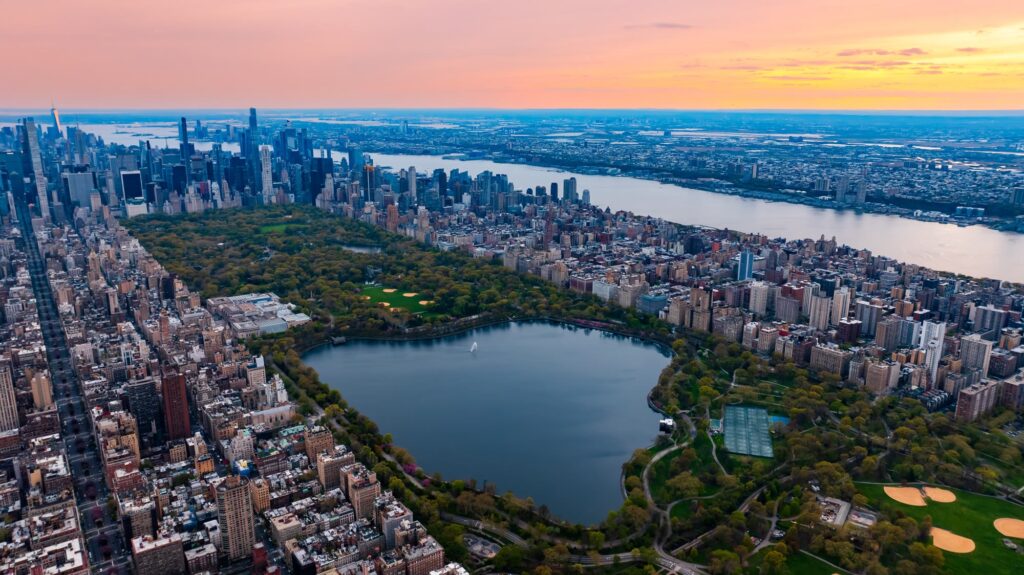
This Central Park visitor guide gives you a plan you can use today. Central Park covers 843 acres of Manhattan, according to the Central Park Conservancy, so you cannot see it all in one visit. Pick four or five stops, walk between them, and leave room to wander. Most first-time visitors do best with a loop from Columbus Circle up to Bethesda Terrace, the Lake, and Belvedere Castle.
The park is free to enter and open to everyone. Wear comfortable shoes, bring water, and download an offline map. The paths twist, and phone signal can dip between the trees.
Central Park Visitor Guide: How to Plan Your Day
Think of the park in three bands. The south has the famous sights and the most people. The middle has the Lake, the Ramble, and the Great Lawn. The north is quieter and holds one of the most beautiful gardens in the city.
The two-hour version
Enter at Columbus Circle. Walk through the southern end of the park to Bethesda Terrace. Cross Bow Bridge, climb to Belvedere Castle, and head out near the Upper West Side. That route covers the scenes you have seen in films and on postcards. Add the best photo spots in New York City to your list if you want a camera-ready day.
The half-day version
Add Conservatory Water, Strawberry Fields, and a slow lap of the Reservoir. Stop for a snack or a lakeside lunch. If you want more days in the city, our 2-day New York City itinerary shows where Central Park fits.
The Best Things to See in Central Park
Bethesda Terrace and Fountain
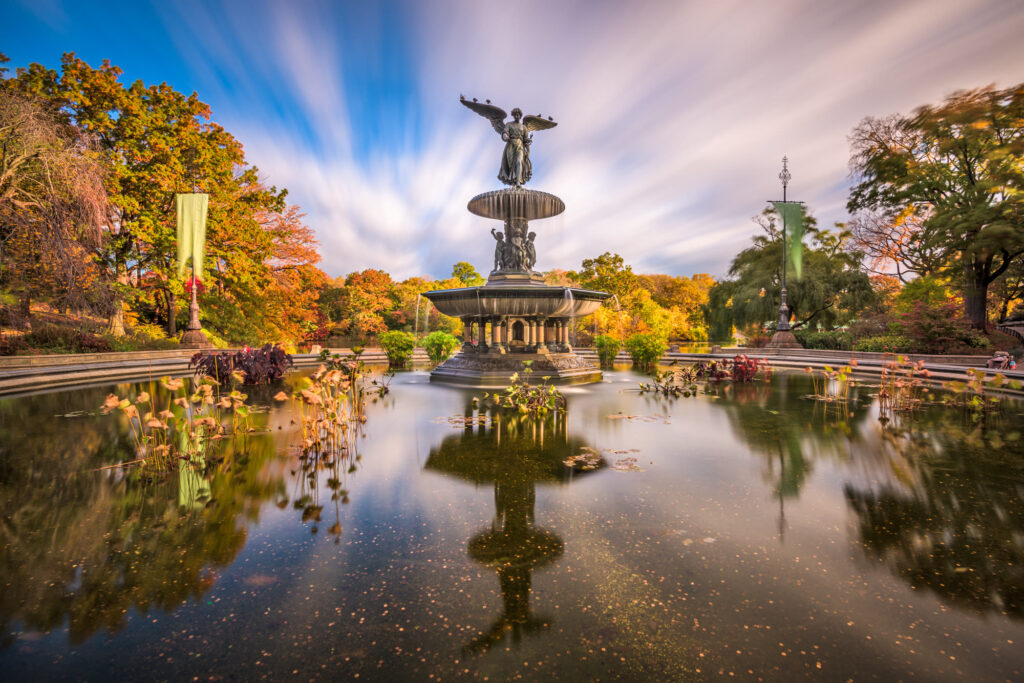
Bethesda Terrace is the heart of the park. A wide stone staircase leads down to the fountain, with the Lake behind it. The Conservancy notes that it removed the terrace tiles in 1983 and stored them until it raised the $7 million needed to restore them. Read the full story on the Bethesda Terrace page. Come early on a weekday if you want space for photos.
Bow Bridge and the Lake
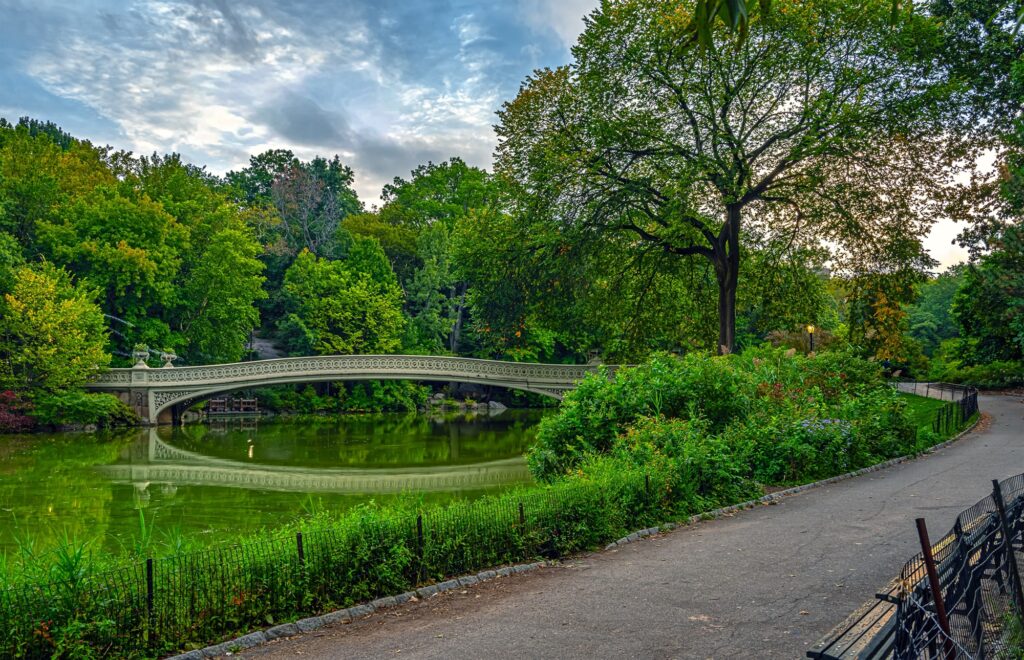
Bow Bridge is one of the 27 arches and bridges built in the park between 1859 and 1866, says the Conservancy. It links the Lake shore to the Ramble. Stand in the middle and you get a view of the water, the trees, and the towers of Fifth Avenue beyond.
The Lake covers 20 acres. It was the first landscape in Central Park to open to the public, in winter 1858. You can rent a rowboat at the Loeb Boathouse, which also has a restaurant with lakeside tables.
Enjoying this guide? Get a free New York story in your inbox every week →
Conservatory Water
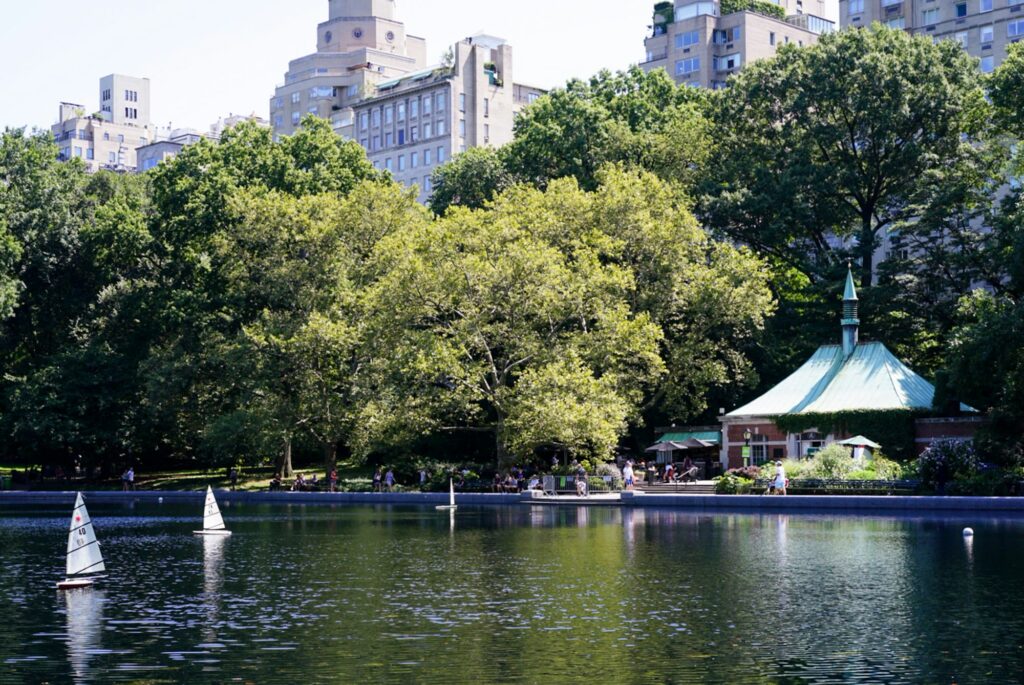
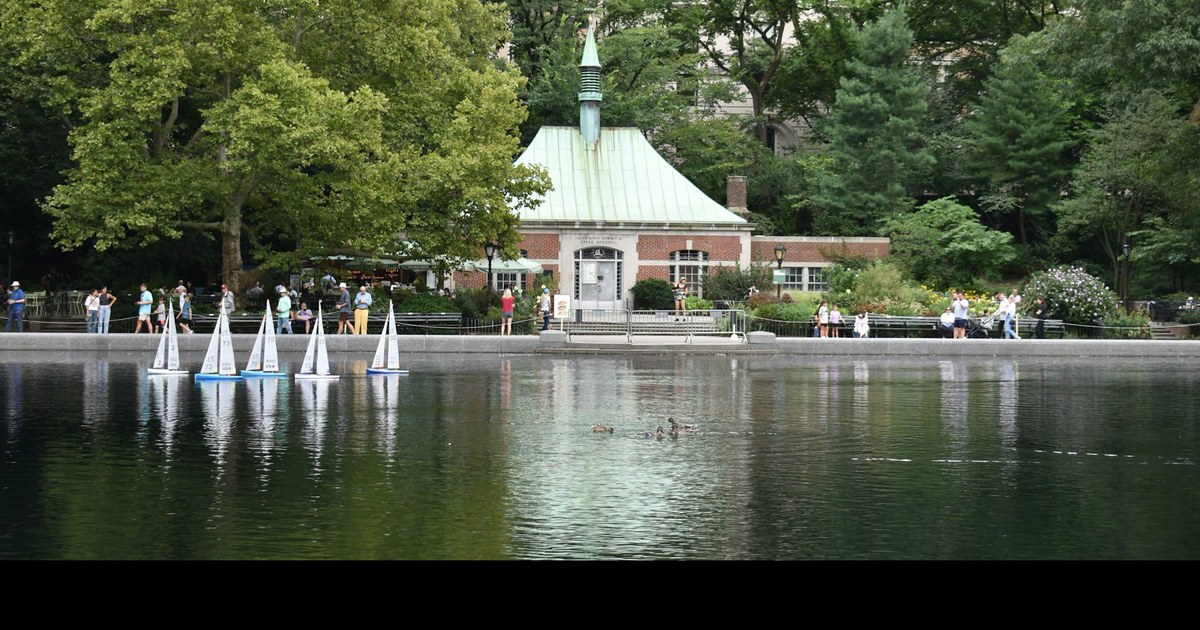
On the east side, near 74th Street, Conservatory Water is a stone-edged pond for model sailboats. Children and adults sail small boats here. The pond also appears in E. B. White’s 1945 story, Stuart Little. Bring a coffee, find a bench, and watch the boats cross the pond.
Strawberry Fields
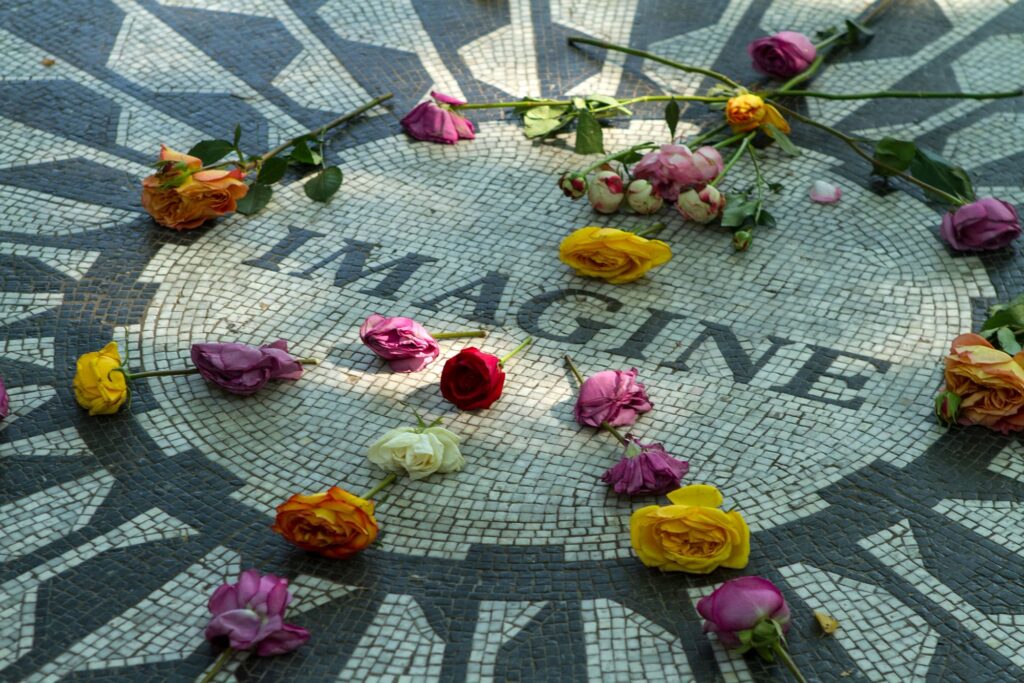
Strawberry Fields is a five-acre memorial to John Lennon near the West 72nd Street entrance. Its Imagine mosaic draws visitors from around the world. The Conservancy says the memorial was dedicated on October 9, 1985, the 45th anniversary of Lennon’s birth. Visitors often leave flowers and sing quietly. Treat it as a place of remembrance.
Belvedere Castle
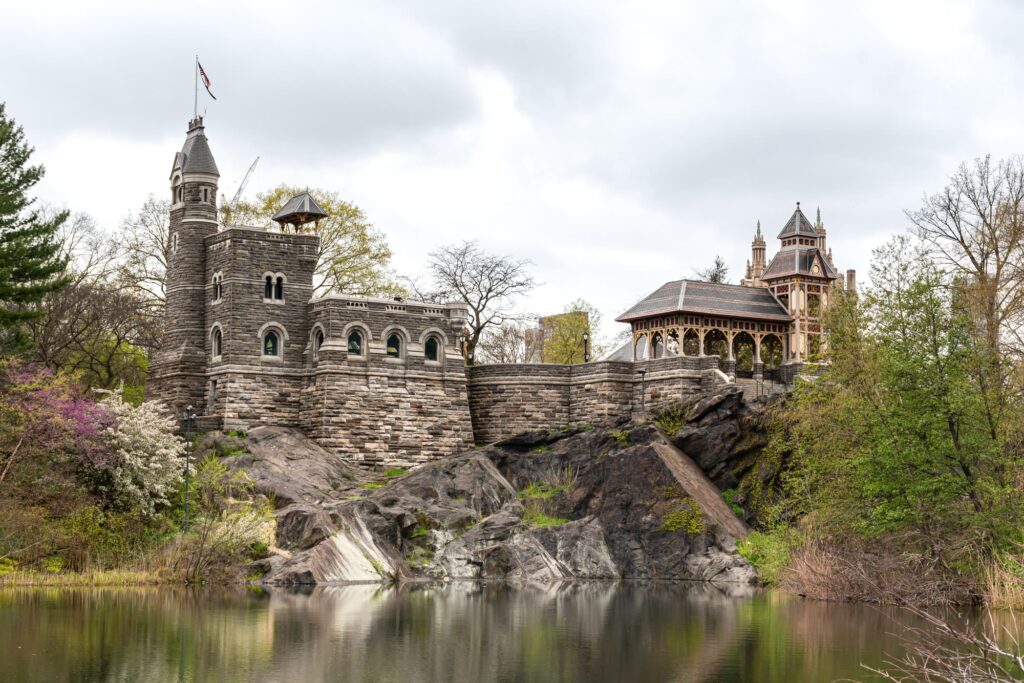
Belvedere Castle sits on a rocky outcrop above the Great Lawn. The Conservancy says the complex was completed in 1872 as a place to enjoy views of the surrounding landscape. It first had no windows or doors, because designers meant it as an open-air lookout. The Conservancy reopened it as a visitor center in 1983. Check the official page before you go for current opening details.
The Ramble
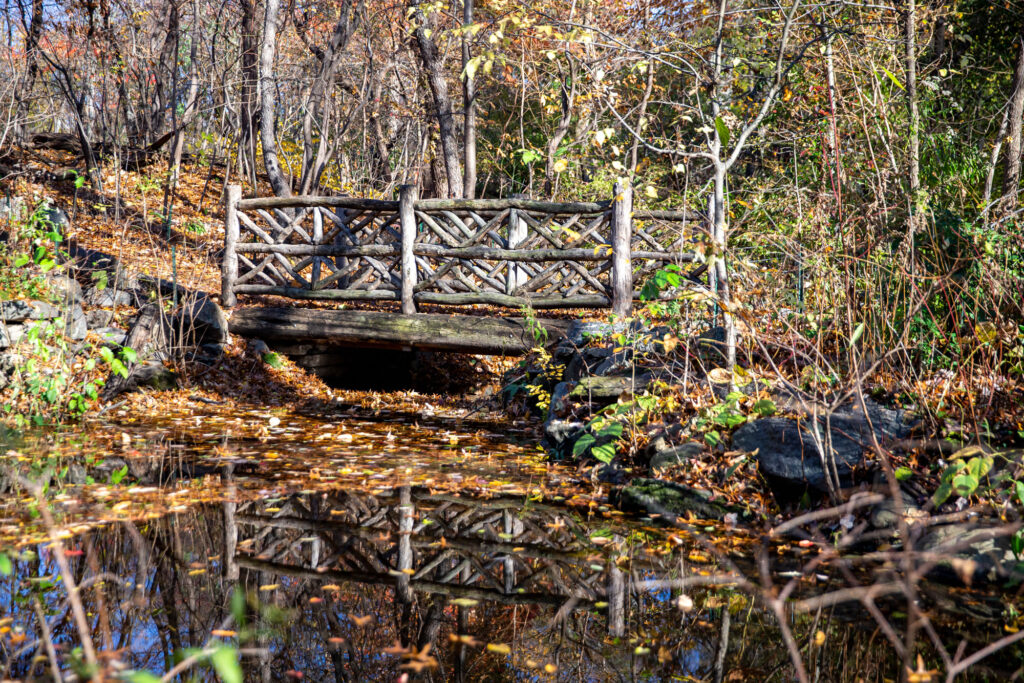
The Ramble spans 36 acres of winding paths, a small stream, and rock outcrops. Designers shaped it to look like the forests of upstate New York. It is easy to lose your bearings here, which is part of the fun. Birdwatchers love it in migration seasons. If you want a quiet corner afterward, try our guide to the best spots in Central Park for sitting and thinking.
The Great Lawn and the Reservoir
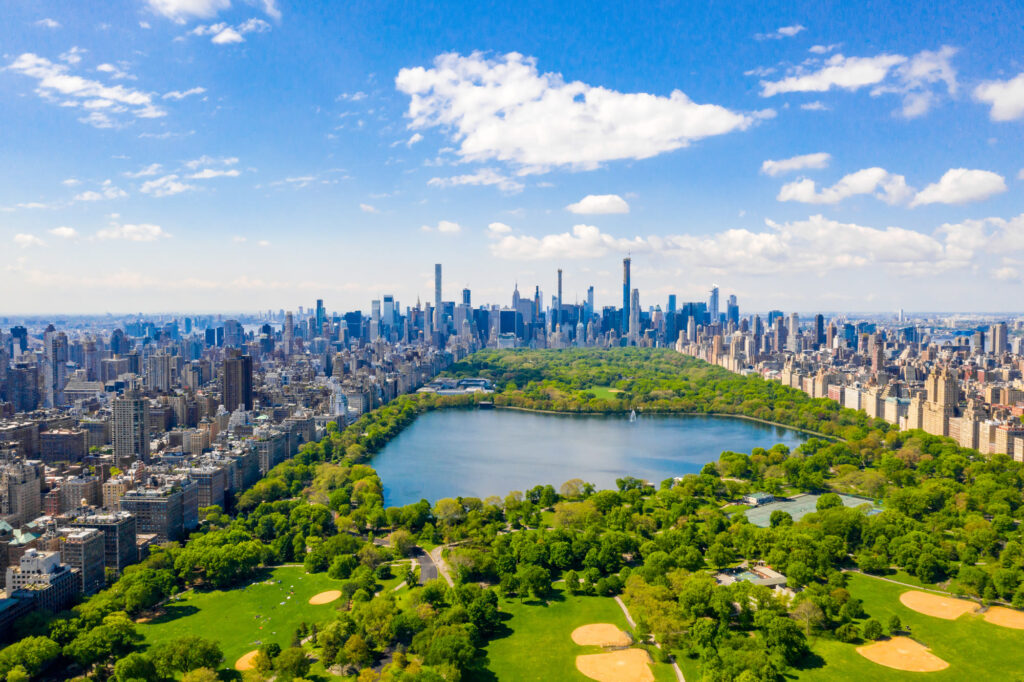
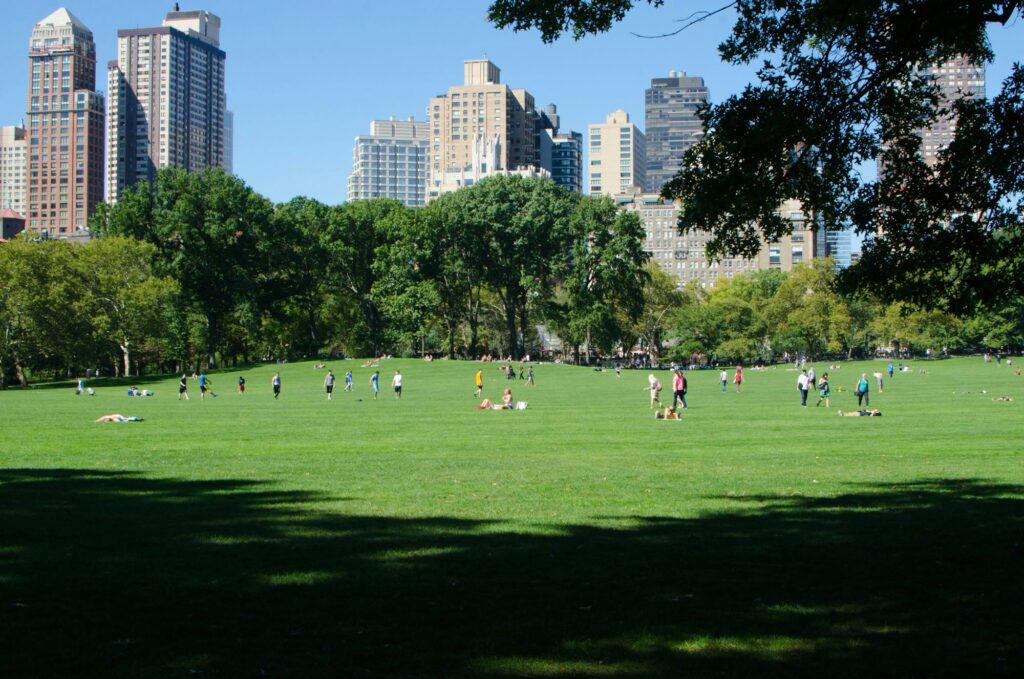
The Great Lawn is a 55-acre area for picnics, sunbathing, and softball. Its main oval is 12 acres. It sits on the site of an older reservoir, which was filled in and redesigned by 1937. The Reservoir to the north still shines in the middle of the park. The path around it gives you skyline views in every direction.
The Conservatory Garden
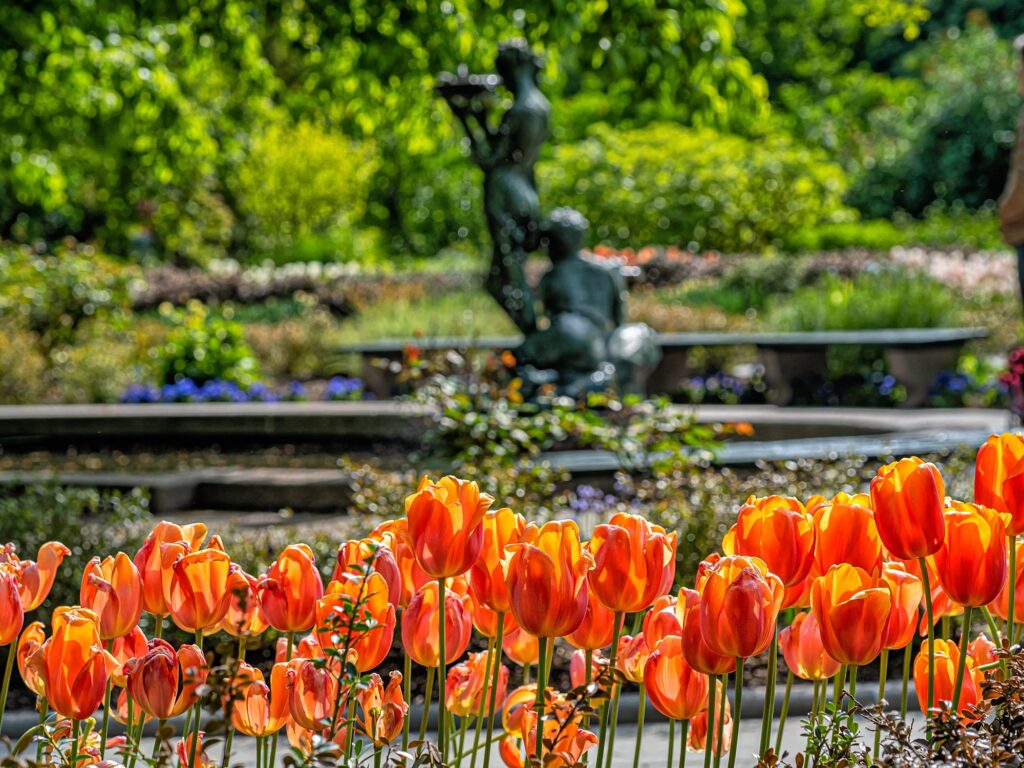
In the northeast corner, the Conservatory Garden feels like a different city. It opened in 1937 and takes its name from a glass conservatory built there in 1899. Few tourists make the trip, so you often get the paths to yourself. Go in spring or autumn for the best color.
Central Park Through the Seasons
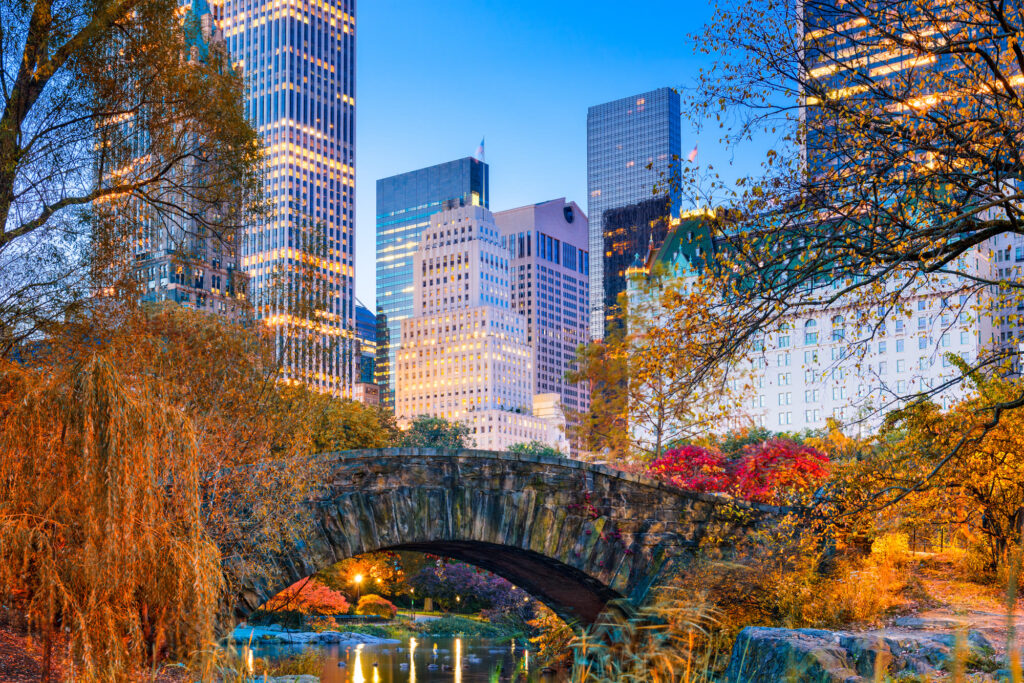
Autumn is the park at its most photogenic, and we cover it in our guide to what to do in New York City in autumn. Winter brings a quieter park, bare branches, and skating. Plan cold days with our New York City winter guide. Spring brings blossoms, and summer brings picnics and shade. Check the Conservancy site for events and any closures before you travel.
History fans should also read about Seneca Village, a community that once stood where the park now lies. Budget travelers can combine this guide with our list of free things to do in New York City.
Practical Tips for Visiting Central Park
Use the entrances at Columbus Circle, Grand Army Plaza, or West 72nd Street if you want the easiest subway access to the southern half. Walk, because the park rewards slow travel. Carry a refillable bottle. Keep to marked paths after dark, and leave the Ramble for daylight. Dress in layers, since the wind off the Lake can feel cold.
Restrooms and cafes appear in many of the main sights, but not everywhere. The Conservancy lists restrooms on each location page, so check before you set out with children.
Finish the day with a slow walk back toward the southern edge. Evening light turns the stone and water golden, and the city feels calm for a few minutes. Many visitors say this quiet stretch becomes their favorite memory of the trip. Leave a little time for it, and you will see why New Yorkers treat the park as their shared backyard.
What is the best way to see Central Park in one day?
Start at Columbus Circle and walk to Bethesda Terrace, Bow Bridge, and Belvedere Castle. Add Strawberry Fields and Conservatory Water if you have time. This Central Park visitor guide route covers the top sights without rushing.
How big is Central Park?
Central Park covers 843 acres, according to the Central Park Conservancy. That is large enough that most visitors choose a section rather than trying to see everything.
Is Central Park free to visit?
Yes, entry to the park is free. Some extras, such as boat rentals and restaurants, cost money, so check the official page for each one.
When is the best time to visit Central Park?
Autumn and spring are the most scenic seasons, and early mornings are the quietest at any time of year. Pick a weekday if you want fewer crowds at Bethesda Terrace.
Join 1,000+ New York Lovers
Every week, get New York’s lesser-known corners, neighborhood stories and local secrets, straight to your inbox.
Subscribe free — enter your email:
Or read Love New York on Substack →
Free forever · One email per week · Unsubscribe anytime
