
The Cloisters is the best place to see medieval Europe without leaving New York City. It sits at the northern tip of Manhattan inside Fort Tryon Park. The museum belongs to the Metropolitan Museum of Art and focuses on medieval art and architecture. This Cloisters visitor guide to Fort Tryon Park covers the history, the highlights, the gardens and how to get there.
What Is The Cloisters?
The Cloisters is a museum built to look like a medieval monastery. Architect Charles Collens designed it, and John D. Rockefeller Jr. paid for it. The museum opened on May 10, 1938, and the public could visit four days later.
Rockefeller also bought the hilltop site and gave it to the Met. The building centers on four cloisters brought over from medieval Europe: Cuxa, Saint-Guilhem, Bonnefont and Trie-sur-Baïse. Builders added chapels, halls and a tower around them.
Most of the collection comes from the 12th to 15th centuries. You will find stone sculpture, stained glass, illuminated manuscripts, metalwork and ivory carvings. Many rooms feel more like a quiet church than a gallery. For current opening details and ticket information, check the The Met Cloisters official visitor page.
How a Sculptor’s Collection Became a Museum
The story starts with George Grey Barnard, an American sculptor. He collected medieval fragments across Europe and shipped them to New York. In 1925 he sold the collection to Rockefeller, who bought it for the Metropolitan Museum.
Rockefeller then hired Olmsted Brothers, the landscape firm of Frederick Law Olmsted Jr., to shape the surrounding park. That park became Fort Tryon Park. The museum and the park came together as one vision, which is why the walk to the entrance feels like part of the visit.
Cloisters Visitor Guide: Highlights Worth Your Time
The Unicorn Tapestries
The Unicorn Tapestries are the museum’s best-known works. This Flemish set dates to about 1495 to 1505. Artists designed it in Paris, and weavers made it in Brussels or Liège. Rockefeller bought the set in 1922 and gave it to the Met in 1937. Conservators restored it in 1998. Today it hangs in its own room on the upper floor.
Take your time here. The tapestries show a hunt, with dense flowers and animals in every panel. Look for the small details in the plants and the faces.
The Stained Glass and Chapels
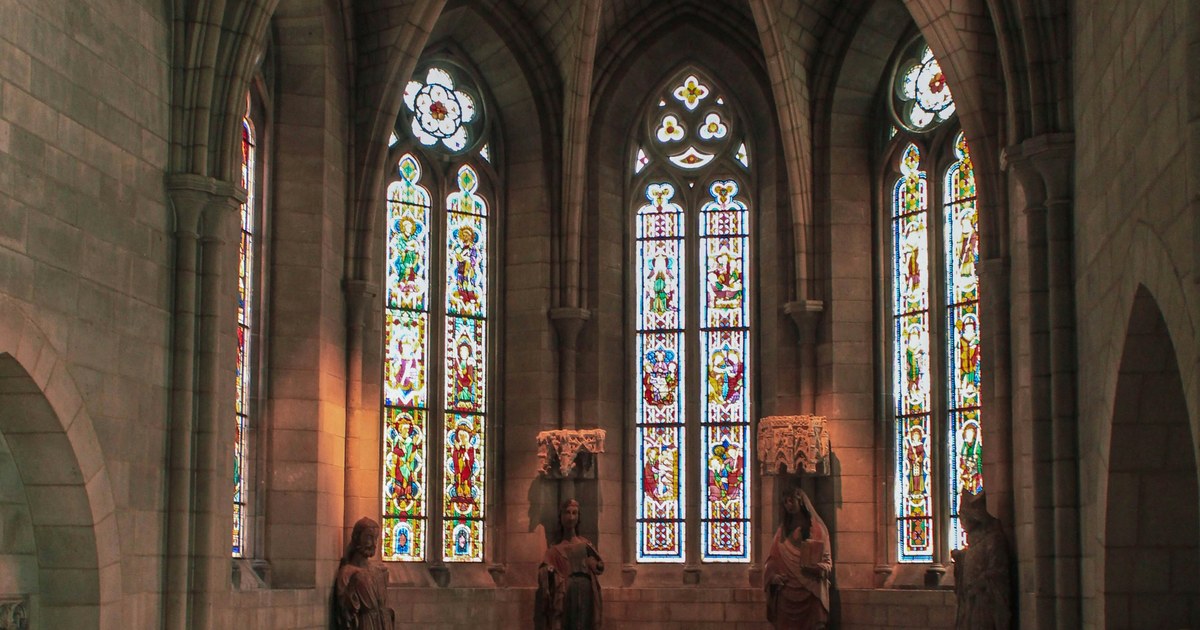
The Gothic chapel rooms hold some of the best light in the museum. Colored glass throws warm patches across the stone floor in the afternoon. Statues and tomb figures stand beneath the windows. It is a quiet spot for photographs, though you should check the museum’s current photography policy first.
The Cloister Gardens
Three gardens link to the building: the Judy Black Garden at Cuxa on the main level, plus the Bonnefont and Trie gardens on the lower level. Designers laid them out in 1938. They hold plants that medieval gardeners grew for food, medicine and decoration, with more than 250 genera in total. Spring and summer give the most color, but the stone arcades look good in any season.
🗽 Love New York, in your inbox
Lesser-known corners, neighborhood stories and local secrets, once a week. Free.
Join Free →Fort Tryon Park: The Other Half of the Visit
Fort Tryon Park covers a ridge above the Hudson River. Give yourself time to walk it before or after the museum. Paths wind past lawns, rock outcrops and wide river views. Details on the park, its gardens and its programs are on the NYC Parks page for Fort Tryon Park.
The park has Revolutionary War history too. The Battle of Fort Washington took place near here in 1776. Today you can enjoy the Heather Garden and the lookouts instead of the fighting. On a clear day the Hudson and the New Jersey Palisades fill the view.
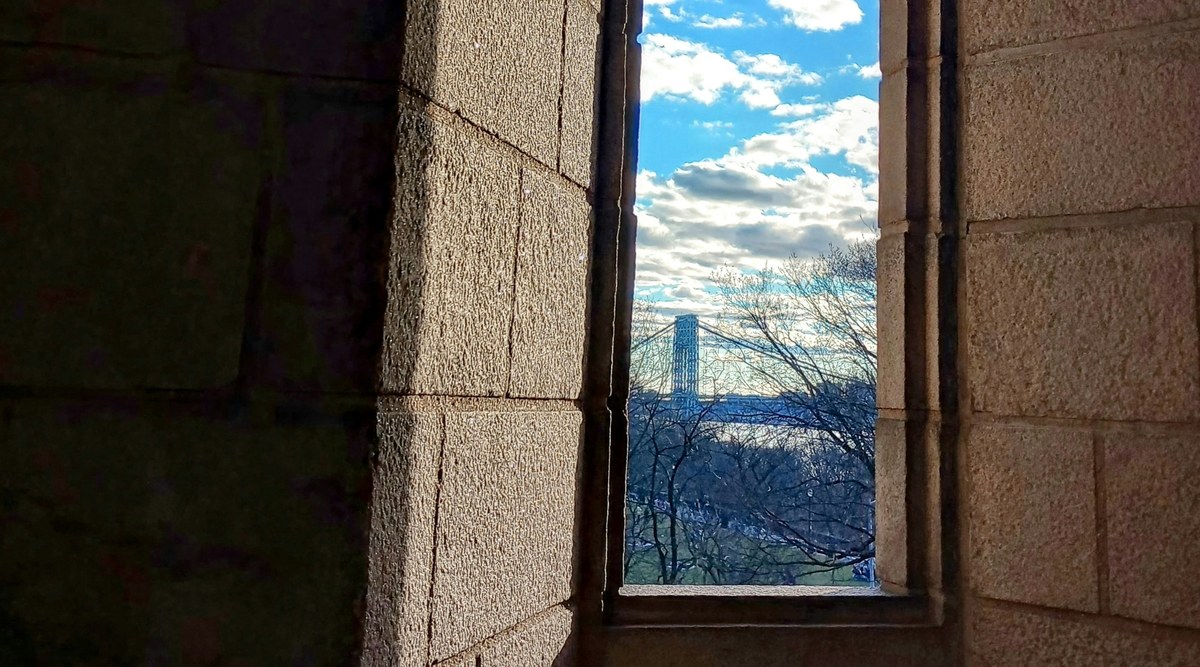
One window inside the museum frames the George Washington Bridge. It is a small moment, but it ties the medieval stone to the modern city outside.
A Simple Route Through the Museum
The layout rewards a slow loop. Start on the main level and follow the stone halls from room to room. Each space shifts the mood, from a Romanesque chapel to a Gothic hall.
Visit the Cuxa cloister early. Its columns and open garden set the tone for everything else. Then climb to the upper floor for the Unicorn Tapestries before the rooms fill up. Finish in the lower-level gardens, where benches give you a place to rest.
Do not rush the small objects. Ivory carvings, illuminated pages and tiny devotional pieces often carry the finest detail. A short break in a garden helps you reset before the next gallery.
Practical Tips for First-Timers
Arrive with a loose plan and leave room to wander. Bring a light layer, since stone rooms feel cool even in summer. Charge your phone for transit directions, and check the official page for bag rules and accessibility details.
Families can enjoy the park and the gardens, but the galleries suit quiet browsing. Older children who like castles and knights usually enjoy the armor-era atmosphere. Plan snacks in advance, and confirm what the museum and park offer on the day of your visit.
How to Get to The Cloisters
The Cloisters sits far uptown, so plan the trip. Public transit works well. Check live service on the MTA before you go, and read our guide to riding the NYC subway if you are new to the system.
By subway: Take the A train to 190th Street or Dyckman Street, or the 1 train to Dyckman Street. From 190th Street, many visitors walk through Fort Tryon Park to the museum.
By bus: The M4, M100 and Bx7 routes serve the area. The M4 runs along Fifth Avenue and Madison Avenue, which makes it a scenic ride from Midtown.
Combine the visit with the neighborhood. Our guide to Washington Heights covers the area just south of the park.
Planning Your Day
Allow at least two to three hours for the museum and a walk through the park. Wear comfortable shoes, because the paths include hills and steps. Pair The Cloisters with another uptown stop if you want a full day. If you prefer a classic museum afterward, see our best museums in New York City and the Met artworks you will remember. For green space downtown, try Central Park.
Many people visit in spring or autumn. Spring brings garden color, and autumn brings foliage across the river. Always confirm hours and any closures on the official site before you travel.
Frequently Asked Questions
What is The Cloisters in New York City?
The Cloisters is the Metropolitan Museum of Art’s branch for medieval art and architecture. It sits in Fort Tryon Park in northern Manhattan and opened in 1938.
How do I get to The Cloisters from Midtown?
Take the A train to 190th Street and walk through Fort Tryon Park, or ride the M4 bus. Either option works well for visitors planning a Cloisters visit.
Is The Cloisters worth visiting?
Yes, especially if you enjoy art, history or quiet gardens. The Unicorn Tapestries, the stained glass and the Hudson views make it one of the most distinctive museums in New York City.
Join 1,000+ New York Lovers
Every week, get New York’s lesser-known corners, neighborhood stories and local secrets, straight to your inbox.
Subscribe free — enter your email:
Free forever · One email per week · Unsubscribe anytime
