
On a Saturday night in 1920s Harlem, you didn’t need a club or a ticket. You needed to follow the sound of stride piano up a brownstone staircase, pay fifty cents at the door, and find yourself in the middle of something you’d never forget.
These were rent parties — and for decades, they kept an entire neighborhood alive.
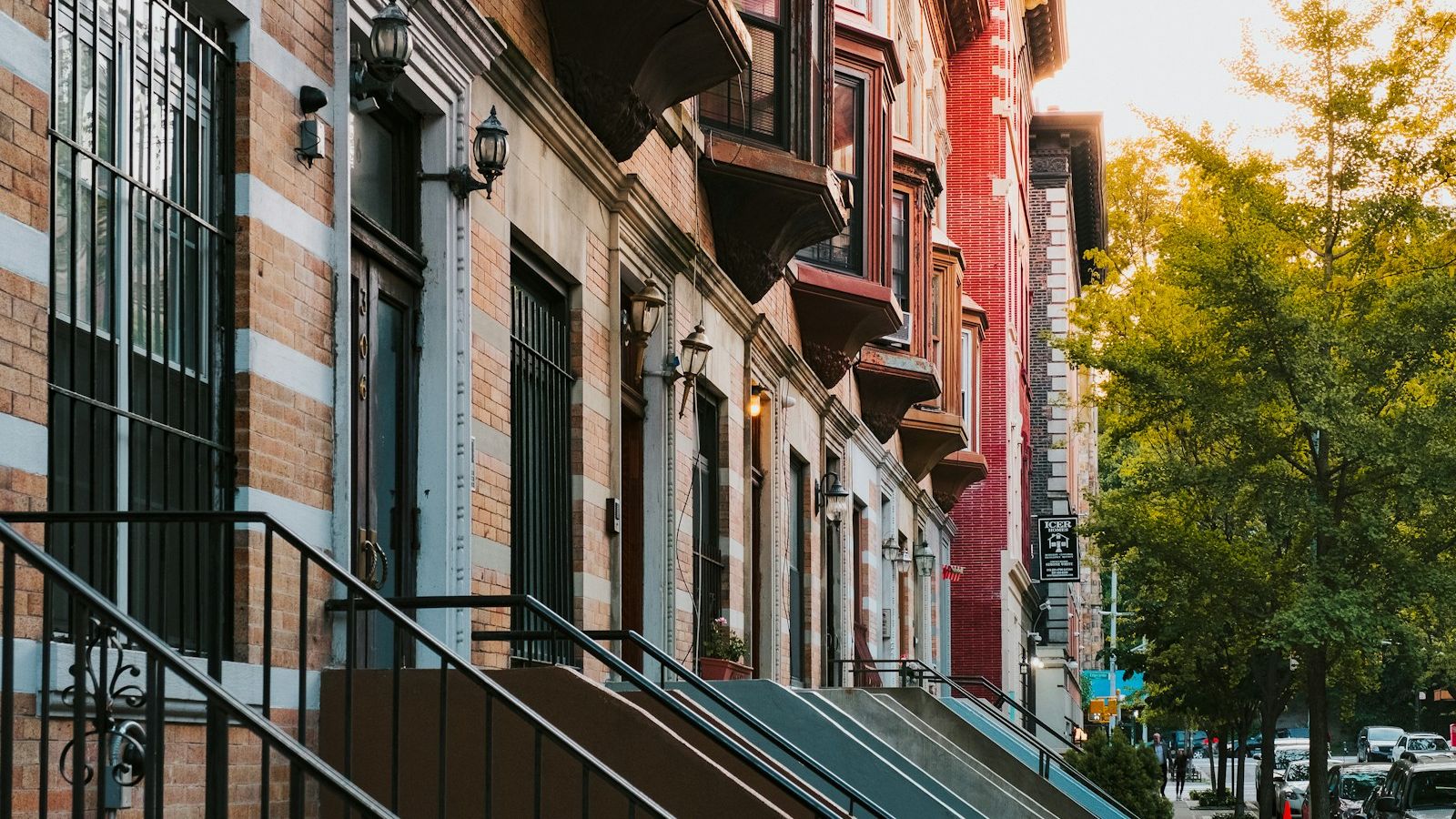
When the Rent Came Due and the Money Ran Out
Harlem’s Black residents in the 1920s and 1930s faced impossible rents. Landlords knew that Black New Yorkers had few housing options — most of the city was effectively closed to them — and charged double what white tenants paid for the same square footage.
When the end of the month arrived, many families simply couldn’t make it. The choice was eviction or ingenuity. Harlem chose ingenuity.
The rent party was born. A family would print a small card — sometimes just a handwritten note — and pass it to neighbors, friends, and anyone passing on the street. Come Saturday night. Bring fifty cents. There’ll be food, there’ll be music, and the whole block is invited.
What Happened Inside Those Brownstone Apartments
The furniture got pushed against the walls. The kitchen ran hot with pig feet, potato salad, and fried chicken sold by the plate. Bootleg gin moved in mason jars. And in the corner — sometimes squeezed into a hallway — a pianist played until his fingers gave out.
These weren’t quiet evenings. The music was stride piano: a propulsive, percussive style built for small rooms and dancing feet. Fats Waller, Willie “The Lion” Smith, and James P. Johnson all played rent parties. Sometimes they arrived unannounced. Sometimes they competed with each other in cutting contests that ran until three in the morning.
The host collected door money all night. By Sunday, the rent was paid.
The Invitation Cards That Became an Art Form
Word of mouth wasn’t always enough. Enterprising hosts had cards printed — small rectangles of paper with rhymes, jokes, and the names of the musicians performing.
Some read like poems. Come on up to 131 West 126th Street. Saturday night at 8. Don’t be late. Others were blunter: There’ll be plenty to eat and plenty to drink. Don’t be bashful — money is what we think.
These cards passed through barbershops, churches, and corner stores. They announced not just a party but a community holding itself together.
Enjoying this? Join New York lovers getting stories like this every week. Subscribe free →
A Training Ground for the Music That Changed America
The rent party was also a launching pad. Young musicians who couldn’t afford to play clubs found audiences in these apartments. They played for food, for tips, for the chance to show what they could do.
Fats Waller later said rent parties were where he really learned to play. James P. Johnson used them to workshop new compositions. These small, smoky rooms incubated the music that would eventually fill Carnegie Hall.
The tradition didn’t end with the Depression. It transformed. The communal energy of the rent party echoed through decades of Harlem house parties and, eventually, into the Bronx block parties of the 1970s — another community invention born from necessity, another gathering that changed the sound of American music.
The Legacy That’s Still in Harlem’s Walls
Harlem today draws visitors from around the world. The Apollo Theatre is celebrated. The great jazz clubs are documented in books and documentaries. But the rent party — the rowdy, essential institution that kept thousands of families in their homes and launched some of America’s greatest musicians — rarely gets the recognition it deserves.
Some Harlem families still talk about them. The older generation remembers neighbors whose apartments became the social center of the block every month — not because they wanted to entertain, but because they had to.
That’s the thing about New York. Its most enduring traditions often started from necessity. The corner bodega, the deli counter, the underground clubs that invented a new way to gather — these weren’t invented by entrepreneurs looking for opportunity. They were invented by people who needed to survive, and found a way to thrive.
The rent party was no different. Fifty cents at the door. The whole neighborhood inside. A piano in the corner playing until dawn. And on Sunday morning, the rent was paid — and something beautiful had been made from what looked like nothing at all.
You Might Also Enjoy
- The Bronx Block Party That Accidentally Invented Hip-Hop
- The New York Nightclub That Lasted Only Three Years — But Changed the City Forever
- How New York Stole the Art World From Paris — and Nobody Saw It Coming
Plan Your New York Trip
Ready to experience the neighborhoods that made New York? The Ultimate New York Travel Guide covers everything from where to stay to which boroughs to explore first.
Join New York Lovers
Every weekday morning, get New York’s hidden gems, neighbourhood stories, food origins, and city secrets — straight to your inbox.
Subscribe free — enter your email:
Love more? Join 65,000 Ireland lovers → · Join 43,000 Scotland lovers →
Free forever · · Unsubscribe anytime
