
On a humid August night in 1973, an 18-year-old named Clive Campbell set up two turntables in the rec room of his apartment building in the Bronx. He played the same record on both. Then he did something nobody had done before.
What happened next gave the world an entirely new way to make music.
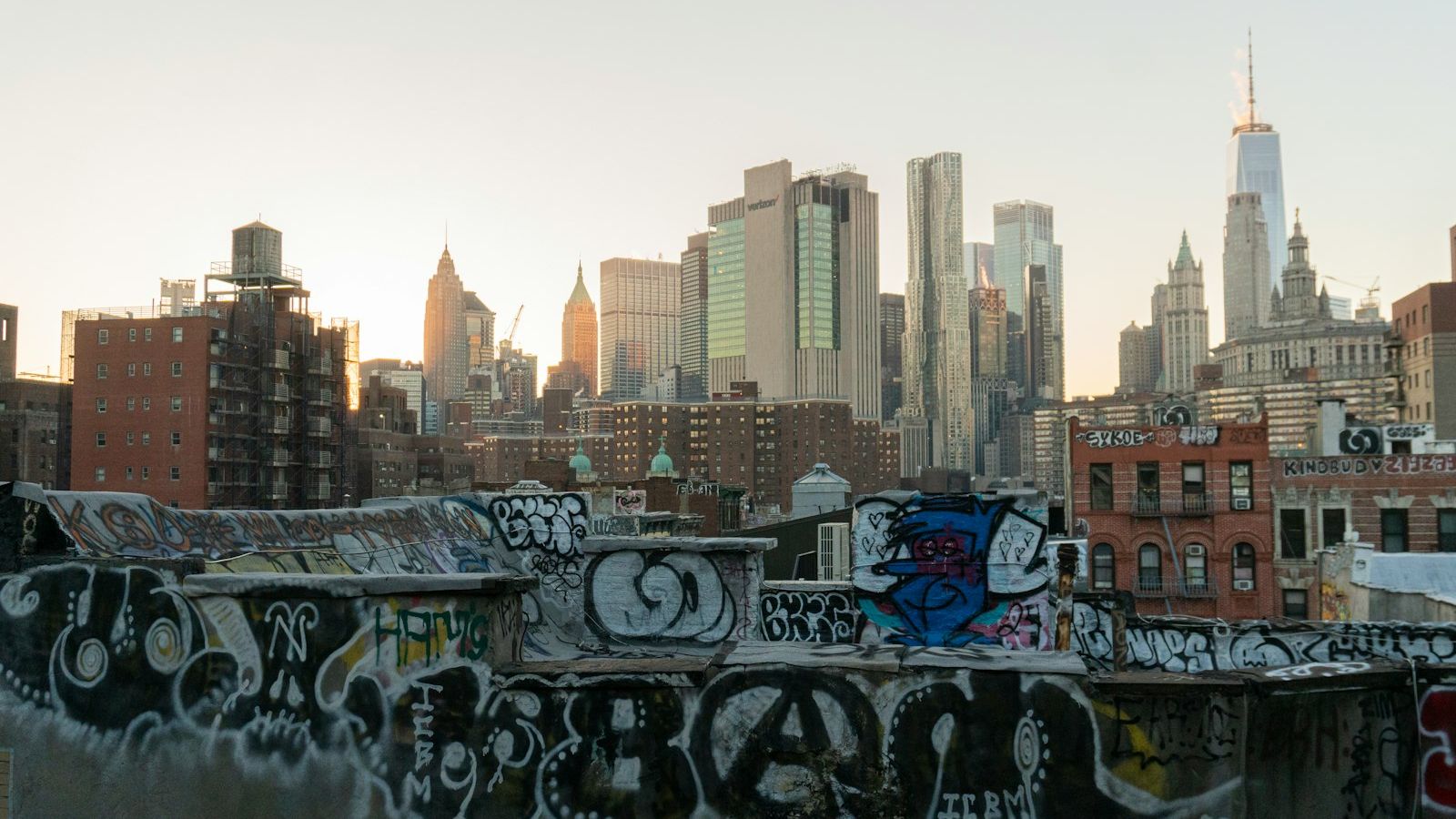
The Building at 1520 Sedgwick Avenue
The party started as something simple. Cindy Campbell wanted to raise money for back-to-school clothes. She charged 25 cents for girls and 50 cents for boys at the door of the recreation room at 1520 Sedgwick Avenue — an unremarkable apartment block in the West Bronx.
Her brother Clive — known as DJ Kool Herc — ran the music. He’d grown up in Kingston, Jamaica, where sound system parties were part of everyday life. He brought that energy with him when his family moved to New York.
The date was August 11, 1973. Nobody in that room had any idea what they were starting.
The Break That Changed Everything
Most DJs in 1973 played songs from start to finish. Kool Herc noticed something different about the crowd. People came alive during the instrumental percussion breaks — the moment when the beat stripped down to pure rhythm and drums.
He had an idea. If he used two identical records on two turntables, he could play the break on one while the other looped back to the same point. The break would never end.
He called it the merry-go-round technique. Dancers — soon called B-boys and B-girls — could showcase their moves without the music cutting out. The crowd exploded. That single technique became the technical foundation of hip-hop.
Why the Bronx? Why Then?
The South Bronx in the early 1970s was a community in freefall. Buildings were burning — some landlords were torching their own properties to collect insurance. Unemployment was rampant. A federal highway had cut through the heart of the neighborhood, displacing thousands of families and leaving entire blocks hollowed out.
But the young people of the Bronx didn’t disappear into that despair. They created.
Hip-hop was never just music. It was a response. DJ culture, breakdancing, graffiti art, and MCing all emerged together from these streets. This was a generation with almost nothing — turning that nothing into something the whole world would eventually copy. You can read more about how the Bronx came back from the edge and what that resilience looks like today.
Enjoying this? Join New York lovers getting stories like this every week. Subscribe free →
From One Party to a Global Movement
Within two years, a new generation of DJs had picked up what Kool Herc started. Grandmaster Flash refined the technique with near-mathematical precision. Afrika Bambaataa pushed it into new sonic territory and founded the Universal Zulu Nation — using hip-hop culture to redirect gang energy into artistic competition.
By the late 1970s, the sound had moved uptown, then downtown. By the 1980s, it had left New York entirely. By the 1990s, it was everywhere — in Tokyo, London, São Paulo, Lagos.
New York has always had a talent for creating sounds that travel. The story of how Harlem shaped jazz and American music runs parallel to the Bronx story. In both cases, music born from hardship became something universal. New York’s music history is also rooted in the rent parties of Harlem in the 1920s — another moment when a community turned struggle into sound.
What’s There Today
The building at 1520 Sedgwick Avenue still stands. In 2007, New York City designated it a cultural landmark — one of the very few residential buildings in the five boroughs to receive that honor purely for its cultural significance.
The rec room where it all started is not a tourist attraction. There’s no plaque at the door, no gift shop, no guided tour. It’s just an apartment building where residents go about their lives.
Somehow, that feels right. The most important moments in New York rarely announce themselves.
The Echo That Never Faded
The Bronx has changed enormously since those early years. Blocks that were once rubble are now thriving. New restaurants, new galleries, new voices have arrived. But the creative impulse that built hip-hop never left.
The borough still produces musicians, artists, and innovators at a rate that defies its size. The Smithsonian Institution now lists hip-hop as one of the most significant American cultural movements of the 20th century. None of that started in a studio, or at a label, or with a marketing budget.
It started with two turntables, a borrowed amp, and a crowd of people ready to move on a Thursday night in August.
If you ever find yourself on Sedgwick Avenue, look up at that building. Nothing about it screams landmark. That’s the whole point. The most important things in New York never announce themselves. They just happen.
You Might Also Enjoy
- New York Once Gave Up on the Bronx. The Bronx Never Gave Up on Itself.
- The Harlem Club That Made Duke Ellington Famous — And Barred His Neighbors From Entering
- The Rent Parties That Saved Harlem in the 1920s — And Changed American Music Forever
Plan Your New York Trip
The Ultimate New York Travel Guide covers all five boroughs, hidden gems, neighborhoods to explore, and everything you need to plan your visit to one of the world’s great cities.
Join New York Lovers
Every weekday morning, get New York’s hidden gems, neighbourhood stories, food origins, and city secrets — straight to your inbox.
Subscribe free — enter your email:
Love more? Join 65,000 Ireland lovers → · Join 43,000 Scotland lovers →
Free forever · Unsubscribe anytime
