
Greenwich Village — called simply “the Village” by New Yorkers — sits in lower Manhattan. It packs more character into a few square miles than most cities manage across their entire footprint. Brownstone-lined streets, a park that never sleeps, jazz rooms with deep history, and a café on every corner: this neighbourhood gave the world the Beat Generation and shaped LGBTQ+ history. Whether you have an afternoon or a full day, the Village rewards slow exploration.
Washington Square Park: the Heart of the Village
Start your visit at Washington Square Park. The marble arch at the north entrance was completed in 1892. It marks the centennial of George Washington’s presidential inauguration. Walk through it and you enter a park that belongs to the city. NYU students work on laptops at the benches. Chess players sit at the outdoor tables. Street musicians play around the central fountain. The park’s performers are a reason to visit on their own — guitarists, violinists, and the occasional acrobat make it one of New York’s best free experiences.
Arrive on a weekday morning for a quieter visit. Come in the early evening for the best atmosphere — the light softens, the buskers settle in, and the park takes on the feel of a true village square.
The Bohemian History That Made the Village Famous
Greenwich Village has drawn creative people for over a century. In the 1950s it became the birthplace of the Beat Generation. Allen Ginsberg and Jack Kerouac met in these streets. They drank in the cafés on MacDougal Street and Bleecker Street. The neighbourhood was cheap and open to unconventional lives.
In the early 1960s, a young Bob Dylan arrived from Minnesota. He played the folk clubs of the Village and wrote songs that would define a generation. Café Wha? on MacDougal Street is where Dylan performed as an unknown in 1961. It still runs live music most nights. A short walk west takes you to the Stonewall National Monument on Christopher Street. The 1969 uprising here launched the modern LGBTQ+ rights movement. The original Stonewall Inn remains open and is a meaningful stop for any visitor.
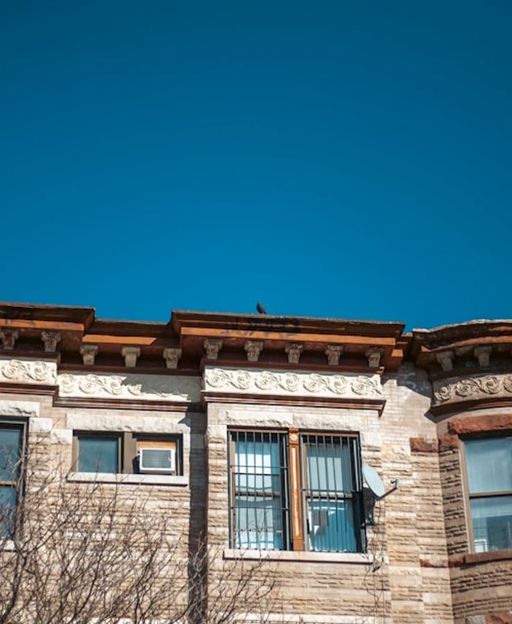
The history shows in the architecture. Federal and Greek Revival houses from the early 1800s line the streets. Narrow lanes here predate the Manhattan grid. The Village never quite surrendered to the uniformity that reshaped the rest of the city around it.
Explore More of New York — Free
Get weekly New York stories — hidden gems, neighbourhood guides, and local secrets — delivered to your inbox free. Join over 1,000 New York lovers.
Subscribe Free →Where to Eat and Drink in Greenwich Village
Greenwich Village has fed the city for generations. Bleecker Street once held the highest concentration of Italian-American restaurants in Manhattan. Several classics from that era survive. John’s of Bleecker Street has served coal-fired pizza since 1929. It is one of the finest in a city that takes its pizza seriously. Bar Pitti on Sixth Avenue draws a loyal crowd for its simple Italian menu and pavement tables.
Coffee and Café Culture
The Village has some of New York’s most atmospheric coffee stops. Caffe Reggio on MacDougal Street has been open since 1927. It claims to have introduced the cappuccino machine to America. The original machine still stands behind the counter. The café has appeared in several films and captures the neighbourhood at its most timeless. Joe Coffee on Waverly Place is the pick for excellent espresso in a quieter setting.
Brunch and Weekend Dining
The Village is excellent for brunch. Options range from classic American diners to European-style bistros. The West Village — just to the west — adds another layer of dining on cobblestone streets. Hudson Street and Jane Street hold strong neighbourhood restaurants that draw locals more than tourists.
The West Village’s Charming Streets
The West Village occupies the western portion of Greenwich Village. It is one of New York City’s most beautiful residential areas. Streets here break from the Manhattan grid into an irregular pattern of narrow lanes and unexpected corners. Cobblestones survive on several blocks. The scale stays intimate — four and five-storey buildings, quiet corners, and a neighbourhood that feels genuinely residential.
Bedford Street holds some of the area’s most photographed spots. The block between Grove Street and Barrow Street appears in dozens of television productions. Bleecker Street in the West Village transitions from restaurant row into a stretch of boutiques and design shops worth exploring at leisure.
Shopping, Books and Independent Culture
Greenwich Village rewards the browser. Independent businesses have survived here longer than in most Manhattan neighbourhoods. Three Lives & Company on West 10th Street is one of New York’s most loved independent bookshops. The floor space is small but the selection is carefully chosen. Staff recommendations are worth following.
Record shops, vintage clothing stores, and galleries fill the gaps between restaurants and cafés. The neighbourhood also borders the High Line to the north. The elevated park begins at Gansevoort Street, just a few blocks away. Adding the High Line to a Village afternoon makes a satisfying full day in lower Manhattan.
Live Music and Jazz in Greenwich Village
Few parts of New York have a stronger connection to live music than the Village. Two of the city’s most important jazz venues sit within a short walk of each other. The Village Vanguard on Seventh Avenue South opened in 1935. It has recorded more jazz albums than any other club in the world. Monday nights feature the Vanguard Jazz Orchestra — a tradition that has run unbroken for decades. The room seats around 120 people. Book ahead.
The Blue Note Jazz Club on West 3rd Street offers a different experience. The room is larger, the acts are bigger names, and shows run two sets an evening. For the full picture of New York’s jazz scene, the Village is the natural starting point. Café Wha? runs live music nightly. The Comedy Cellar on MacDougal Street is one of America’s most storied comedy clubs and books shows every night of the week.
How to Get to Greenwich Village
Greenwich Village is well served by the subway. The A, C, E, B, D, F, and M trains all stop at West 4th Street–Washington Square. This station delivers you directly to the park’s southern edge. The 1 train stops at Christopher Street–Sheridan Square, which works well for the West Village. From Midtown, the journey takes under fifteen minutes.
The neighbourhood is entirely walkable once you arrive. It also connects easily to SoHo to the east. A combined Greenwich Village and SoHo afternoon is a popular option for visitors staying in lower Manhattan.
Frequently Asked Questions
What is the best time to visit Greenwich Village?
Greenwich Village is enjoyable year-round. Spring (April to June) and autumn (September to November) offer the most pleasant walking conditions. Washington Square Park is especially lively on warm summer evenings, with street performers and outdoor gatherings running into the night.
How long does a visit to Greenwich Village take?
A focused visit — Washington Square Park, a stroll through the West Village, and a coffee stop — fits comfortably into three to four hours. Add dinner and jazz in the evening and Greenwich Village becomes a full day and night out.
Is Greenwich Village good for families visiting New York City?
Yes — Washington Square Park is a great family destination. Children love the central fountain in summer, the street performers, and the chess tables. The neighbourhood’s low-rise scale and walkable streets make it far less overwhelming than Midtown for families with young children.
What is Greenwich Village most famous for?
Greenwich Village is famous for its bohemian history, the Beat Generation, the American folk music revival, and the Stonewall Inn — the site of the 1969 uprising that launched the modern LGBTQ+ rights movement. It is also known for Washington Square Park, its jazz venues, and its independent restaurants and bookshops.
Join 1,000+ New York Lovers
Every week, get New York’s hidden gems, local secrets, and travel inspiration — the kind you won’t find in any guidebook.
Subscribe free — enter your email:
Love more? Join 64,000 Ireland lovers → · Join 43,000 Scotland lovers → · Join 30,000 Italy lovers →
Free forever · One email per week · Unsubscribe anytime
