
Brooklyn vs Manhattan for tourists — it is one of the most common questions visitors ask before their first trip to New York City. Both boroughs deliver entirely different experiences. Manhattan is the New York of the movies: skyscrapers, yellow taxis, Times Square, and a pace that never seems to slow. Brooklyn is the New York locals have quietly called their own for decades: brownstone streets, waterfront parks, food markets, and neighbourhoods that buzz with creative energy. This guide breaks down exactly what each has to offer so you can decide where to stay, where to explore, and how to make the most of your time in the city.
The Big Difference: Atmosphere and Energy
If you want to feel the full force of New York City’s iconic energy, Manhattan delivers it immediately. Step out of Penn Station or Grand Central and the city hits you at full volume: the density of people, the vertical scale of the buildings, the sheer sense that everything is happening right now. Midtown is relentless. Even quieter pockets like the Upper West Side or Chelsea carry an energy that is hard to find elsewhere.
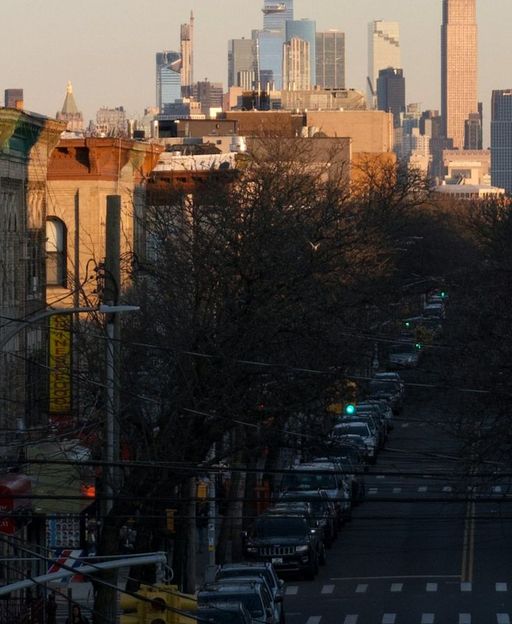
Brooklyn moves differently. Cross the bridge on foot and the tempo shifts within a few blocks. Streets are wider. Buildings are lower. There are trees, front stoops, and corner cafés where people linger over their coffee. Brooklyn feels like a city that has figured out how to be both exciting and liveable. That contrast is exactly why so many visitors now choose to base themselves there rather than in Midtown.
Brooklyn vs Manhattan: Where to Stay
Staying in Manhattan
Manhattan accommodation tends to cost more, but the trade-off is convenience. If your trip is short — say, three days — and you want to pack in as many iconic sights as possible, staying in Midtown or the Upper West Side puts you within easy reach of Central Park, the Museum Mile, Times Square, and the subway connections you need to reach everywhere else quickly. For first-time visitors who feel nervous about navigating the subway, Manhattan can feel more manageable.
Midtown itself is not the most atmospheric place to stay. The streets around Times Square are busy twenty-four hours a day, and the accommodation is priced accordingly. If you want to stay in Manhattan, consider looking at the Lower East Side, Chelsea, or the Upper West Side — all of which offer more character and better value than the tourist corridor around 42nd Street. Check out our full 3-day New York City itinerary if you need help planning a compact visit.
Staying in Brooklyn
Brooklyn has become one of the most exciting places to stay in New York for good reason. Neighbourhoods like Brooklyn Heights, Park Slope, Carroll Gardens, and DUMBO offer beautiful streets, genuinely good restaurants, and a pace that lets you feel like a local rather than a tourist. Accommodation is often better value than comparable Manhattan options, and subway access into the centre is fast and straightforward.
Williamsburg is the liveliest choice for visitors who want bars, street art, and a buzzing food scene on their doorstep. Williamsburg has transformed dramatically over the past two decades, and while it has gentrified significantly, it still has an energy that Manhattan’s tourist zones cannot match. For families, Park Slope is hard to beat: tree-lined streets, excellent parks, and a calm, residential feel.
The Iconic Sights: Manhattan Wins Here
There is no getting around it — most of New York’s great landmarks sit in Manhattan. The Empire State Building, the Statue of Liberty ferry, Central Park, the High Line, the Metropolitan Museum of Art, the Museum of Modern Art, the New York Public Library, and Rockefeller Center are all on the Manhattan side of the river. If you are visiting New York for the first time and sightseeing is your priority, you will spend the majority of your days in Manhattan regardless of where you sleep.
That said, Brooklyn has its own iconic experiences. The Brooklyn Bridge walk is one of the great free things to do in New York — start on the Manhattan side and finish in DUMBO for the full effect. The views back across the water towards Lower Manhattan from DUMBO and Brooklyn Heights Promenade are among the most photographed in the entire city. Coney Island, Prospect Park, and the Brooklyn Museum are all worth time on their own merit.
Free Sights in Both Boroughs
Both Manhattan and Brooklyn have a strong offer for visitors on a budget. In Manhattan, Central Park is free, the High Line is free, the National September 11 Memorial is free, and many of the best neighbourhoods reward slow walking rather than paid entry. In Brooklyn, the Brooklyn Bridge, Brooklyn Heights Promenade, Prospect Park, and the waterfront at DUMBO all cost nothing. For a full breakdown of what you can do without spending a penny, see our guide to free things to do in New York City.
Food and Drink: Brooklyn vs Manhattan
New York is one of the great food cities on earth, and both boroughs deliver extraordinary eating. Manhattan has a concentration of renowned restaurants, delis, food halls, and neighbourhood institutions that is hard to match. The Chelsea Market, the West Village, Chinatown, Little Italy, and the Upper East Side all have distinct food identities. You could eat lunch and dinner in a different Manhattan neighbourhood every day of a long trip and never repeat yourself.
Brooklyn’s food scene has risen sharply in status. The Smorgasburg food market in Williamsburg draws queues every weekend. The restaurant scene in Carroll Gardens, Cobble Hill, and Park Slope is serious and inventive. For anyone who wants to eat well on a budget, Brooklyn often provides better value than the equivalent Manhattan experience.
Coffee Culture
Brooklyn has a justified reputation for excellent independent coffee. Williamsburg, DUMBO, and Carroll Gardens have a density of quality cafés that rivals any neighbourhood in the city. Manhattan has great coffee too — the West Village and the Lower East Side in particular — but Brooklyn’s café culture feels more neighbourhood-rooted and less chain-heavy in many areas.
Getting Around: Subway, Walk, and Cycling
New York’s subway connects Manhattan and Brooklyn efficiently. Most lines cross the East River, and journeys between Williamsburg or DUMBO and Midtown Manhattan take around twenty to thirty minutes. The subway runs around the clock, which matters if you want to stay out late without worrying about transport options.
Manhattan is one of the most walkable cities on earth, at least within individual neighbourhoods. The grid system makes navigation straightforward, and many visitors find they walk far more than they expect. Brooklyn’s residential neighbourhoods reward slow walking too, but the distances between different Brooklyn areas can be larger than they appear on a map.
Citi Bike, New York’s cycle hire scheme, operates across both boroughs and is an excellent way to explore at your own pace. Cycling the Brooklyn waterfront from DUMBO south toward Red Hook is one of the most enjoyable ways to spend a morning in the city. For more practical travel tips and cost information, see our New York City travel budget guide.
Neighbourhoods Worth Knowing About
Manhattan Neighbourhoods for Tourists
Manhattan’s neighbourhoods have strong individual identities. The West Village is one of the most beautiful areas in the city, with cobblestone streets, Federal-style townhouses, and a village feel that stands apart from the grid. SoHo is worth walking for the cast-iron architecture and independent shops, even if the crowds can be heavy at weekends. Greenwich Village has a long history as the bohemian heart of the city. The Upper West Side is quieter, residential, and excellent for families visiting the Natural History Museum or taking long walks through Central Park.
Harlem is an essential part of any serious visit to New York. The neighbourhood’s history — the Renaissance of the 1920s, the jazz clubs, the civil rights movement — is threaded through its streets, buildings, and churches. Eating brunch in Harlem on a Sunday is one of the city’s great pleasures. For a deeper guide to where to explore across the city, see our complete neighbourhood guide to New York City.
Brooklyn Neighbourhoods for Tourists
DUMBO (Down Under the Manhattan Bridge Overpass) is where most visitors get their first proper taste of Brooklyn. The cobbled streets, converted warehouses, independent bookshops, and those famous views through the bridge arches toward Manhattan make it one of the most photogenic spots in the city. It is small, so a couple of hours is usually enough before moving on to Brooklyn Heights.
Brooklyn Heights has some of the finest residential architecture in New York. The Promenade runs along a bluff above the waterfront and delivers a panoramic view of Lower Manhattan and the harbour. Park Slope, a little further south, has a warm neighbourhood feel and direct access to Prospect Park, Brooklyn’s equivalent of Central Park. Williamsburg is livelier and younger in tone, with galleries, music venues, and a food scene that changes from one visit to the next.
So, Brooklyn or Manhattan? The Honest Answer
The honest answer is: you need both. New York’s boroughs complement each other rather than competing. For most visitors, the best approach is to base yourself in Brooklyn — for the character, the value, and the neighbourhood life — and to spend your days moving freely between boroughs depending on what you want to see.
If you have only two or three days in the city and this is your first visit, staying somewhere central in Manhattan removes one logistical variable. But if you have four or more days and you want to experience something beyond the tourist corridor, Brooklyn will reward you in ways that Midtown simply cannot.
Both boroughs are safe, well-connected, and full of things to discover. The real mistake is staying so long in one place that you miss the other entirely.
Frequently Asked Questions
Is Brooklyn worth visiting for tourists, or should I stick to Manhattan?
Brooklyn is absolutely worth visiting for tourists and should be part of every New York trip. Neighbourhoods like DUMBO, Brooklyn Heights, and Williamsburg offer a distinct side of the city — brownstone streets, waterfront parks, and a creative food scene — that you will not find in Manhattan. The Brooklyn Bridge walk alone is one of the best free experiences in New York.
Is it better to stay in Brooklyn or Manhattan on a first visit to New York?
For a first visit to New York with three days or fewer, staying in Manhattan puts you closest to the iconic sights and simplifies logistics. With four or more days, Brooklyn offers better value and a richer neighbourhood experience. The subway makes it easy to move between boroughs, so neither choice limits where you can go.
How do I get from Brooklyn to Manhattan?
The New York City subway connects Brooklyn to Manhattan in twenty to thirty minutes on most lines. The Brooklyn Bridge is also walkable and free, taking around twenty-five to thirty minutes on foot. You can also cycle across on Citi Bike if you prefer. Both options give you a different and rewarding view of the East River and the Manhattan skyline.
What is Brooklyn vs Manhattan like in terms of cost?
Brooklyn is generally less expensive than Manhattan for accommodation, food, and drink — though the gap has narrowed in recent years as Brooklyn’s reputation has grown. Williamsburg and DUMBO in particular now have many higher-end options. That said, for a similar quality of experience, Brooklyn still tends to offer better value than Midtown Manhattan.
Join 1,000+ New York Lovers
Every weekday morning, get New York’s hidden gems, local secrets, and travel inspiration — the kind you won’t find in any guidebook.
Subscribe free — enter your email:
Love more? Join 64,000 Ireland lovers → · Join 43,000 Scotland lovers → · Join 30,000 Italy lovers →
Free forever · · Unsubscribe anytime

Subscribe Free