
Williamsburg wasn’t always the most talked-about neighborhood in New York. For most of its history, it was the kind of place people moved to when they couldn’t afford anything else. That decision — made by millions of immigrants, artists, and working-class families across three centuries — is exactly what made it extraordinary.
The Neighborhood That Industry Built
In the late 1800s, Williamsburg was a powerhouse of American manufacturing. Refineries, breweries, and factories stretched along the East River waterfront. The Domino Sugar refinery alone employed thousands of workers and became one of the largest sugar-processing plants on earth.
The Williamsburg Bridge opened in 1903. Locals quickly nicknamed it “the poor man’s bridge.” It carried tens of thousands of Jewish immigrants from the overcrowded Lower East Side across the river, looking for space and cheaper rents. German, Italian, and Eastern European families followed in waves.
By the early twentieth century, Williamsburg was dense, loud, and alive — defined by synagogues, delicatessens, pushcart markets, and the constant sound of industry.
When the Factories Fell Silent
After World War II, American manufacturing began its long decline. Factories closed. Families who could afford to moved out. Williamsburg’s population dropped and its economic energy drained away block by block.
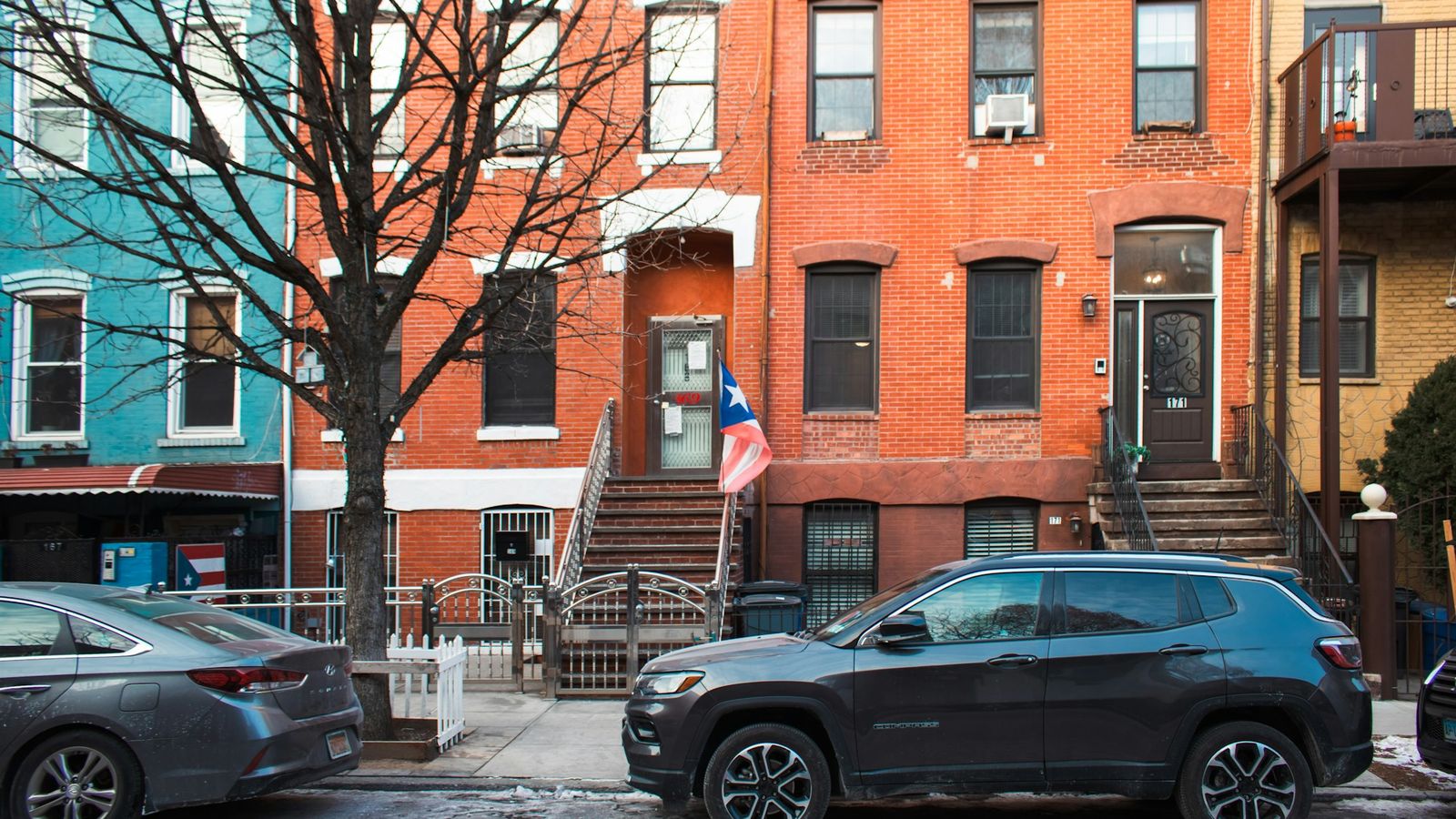
What remained was a patchwork of communities with nowhere else to go: a large Hasidic Jewish community with deep roots in South Williamsburg, and Puerto Rican families who built a rich cultural presence across the neighborhood.
By the 1970s and ’80s, Williamsburg was overlooked, underfunded, and largely forgotten by the rest of the city. Its fate seemed settled. It wasn’t.
The Artists Who Changed Everything
In the early 1990s, artists began arriving. Not because Williamsburg had galleries or concert halls — it didn’t. They came because Manhattan had become impossibly expensive, and Williamsburg’s abandoned loft spaces offered exactly what artists need: room.
Painters, musicians, writers, and photographers turned old factories into studios. Underground music venues appeared in basements. DIY galleries opened in storefronts. A creative scene assembled itself almost without anyone noticing.
The L train, running directly into Manhattan in seven minutes, made it accessible to anyone curious enough to make the trip. Word spread quietly at first, then all at once. By the mid-1990s, Williamsburg had an identity — raw, creative, and proudly unglamorous. That would not last long.
Enjoying this? Join New York lovers getting stories like this every week. Subscribe free →
When the World Showed Up
The transformation accelerated through the 2000s. What had been a neighborhood of artists became a destination. Boutique hotels opened on North Sixth Street. Restaurants with reservation waiting lists replaced corner bodegas. The Brooklyn Flea — an outdoor market of vintage goods and artisan food — drew visitors from across the city and beyond.
Rents that had sat at a few hundred dollars a month in the early ’90s climbed into the thousands. The artists who had shaped the neighborhood were, one by one, priced out. Many moved further into Brooklyn — Bushwick, Ridgewood, East New York — and the cycle of reinvention began again.
Williamsburg had completed its transformation. The neighborhood that was once overlooked had become one of the most visited in New York City.
What Williamsburg Is Today
Today, Williamsburg is a neighborhood of layers. Bedford Avenue remains the main artery — lined with independent boutiques, coffee shops, and restaurants ranging from no-frills to acclaimed.
The East River waterfront has been reimagined by Domino Park, built on the grounds of the old Domino Sugar refinery. The views of the Manhattan skyline from the park’s piers and lawns are among the finest in the city. On warm evenings, half of Brooklyn seems to gather there.
South Williamsburg remains home to one of the largest Hasidic Jewish communities outside of Israel — a living reminder that this neighborhood has always held multiple worlds at once. The food scene stretches from old-school delis to internationally recognized restaurants. There are vintage record stores, independent bookshops, and rooftop bars that feel like they shouldn’t exist anywhere so close to Manhattan.
If you’re exploring Brooklyn, Williamsburg pairs naturally with a walk across the Brooklyn Bridge or an afternoon in the brownstone streets of nearby neighborhoods like Boerum Hill and Carroll Gardens.
Frequently Asked Questions
What is Williamsburg, Brooklyn known for?
Williamsburg is known for its arts scene, independent restaurants and boutiques, and the East River waterfront at Domino Park. It transformed from a working-class industrial neighborhood into one of New York’s most creative and visited destinations over the past thirty years.
How do I get to Williamsburg from Manhattan?
Take the L train from 14th Street–Union Square to Bedford Avenue — the ride takes about seven minutes. You can also walk or cycle across the Williamsburg Bridge, which offers great views of the Manhattan skyline as you cross.
What is the best time to visit Williamsburg?
Late spring through early fall (May to October) is ideal, when Domino Park and the waterfront come alive with outdoor markets, food trucks, and events. Summer weekends are especially lively, though weekday mornings offer a calmer way to explore Bedford Avenue and the side streets.
What should I not miss in Williamsburg?
Don’t miss Domino Park for the Manhattan views, Bedford Avenue for shopping and eating, and the neighborhood’s street art murals scattered through the side streets. The area around North Seventh and North Eighth streets is dense with restaurants worth planning a meal around.
Williamsburg didn’t set out to be anyone’s idea of the perfect neighborhood. It became one through reinvention — through the people who arrived with nothing but a need for space and stayed to build something that keeps drawing the world back. That story is still happening, one street at a time.
You Might Also Enjoy
- The Secrets the Brooklyn Bridge Hides in Plain Sight (And the Family Who Died for It)
- Why New Yorkers Are Still Obsessed With Brooklyn’s Brownstones After 150 Years
- The Brooklyn Park That Frederick Law Olmsted Called His Greatest Work
Plan Your New York Trip
Williamsburg is one stop on the L train from Manhattan — easy to reach and easy to explore on foot. Combine it with a five-day New York itinerary for the full Brooklyn experience, from the waterfront to the historic brownstone streets.
Join 1,100+ New York Lovers
Every weekday morning, get New York’s hidden gems, neighbourhood stories, food origins, and city secrets — straight to your inbox.
Subscribe free — enter your email:
📲 Know someone who’d love this? Share on WhatsApp →
Love more? Join 65,000 Ireland lovers → · Join 43,000 Scotland lovers →
Free forever · · Unsubscribe anytime

Subscribe Free