
This Midtown Manhattan guide covers everything you need to plan your visit to the most iconic stretch of New York City. Midtown runs from 34th Street up to 59th Street, and it packs in more famous sights per block than almost anywhere else on earth. The Empire State Building, Rockefeller Center, Grand Central Terminal, MoMA, Times Square, Bryant Park — all within walking distance of each other. Whether you have a few hours or a full day, this guide helps you make the most of it.
What Is Midtown Manhattan?
Midtown Manhattan sits at the heart of New York City, stretching from 34th Street in the south to 59th Street in the north. It is New York’s commercial and cultural core. You will find the city’s largest office towers, its most celebrated tourist sights, its flagship department stores, and some of its finest restaurants all within this compact area.
For first-time visitors, Midtown is often the default base — and for good reason. The transport links are exceptional. The New York City subway connects Midtown to every borough, and several major stations sit right in the heart of the district. You can walk to most major sights from any hotel in the area without hailing a cab or joining a queue.
Top Sights in Your Midtown Manhattan Guide
Midtown has no shortage of things to see. Here are the sights that belong on every itinerary.
The Empire State Building
The Empire State Building stands at the southern edge of Midtown at 34th Street and Fifth Avenue. It opened in 1931 and held the title of world’s tallest building for more than 40 years. Today it remains the most recognisable skyscraper on the New York skyline.
Visit the 86th-floor observation deck for unobstructed views across Manhattan. On clear days you can see for miles in every direction. Go at dusk to watch the city shift from daylight to a glittering spread of lights. Book tickets online in advance to avoid the queues at the door — timed entry slots sell out on popular days.
Rockefeller Center
Rockefeller Center is a masterpiece of art deco architecture covering 22 acres between Fifth and Seventh Avenues. It includes 19 commercial buildings, several gardens, restaurants, and the Top of the Rock observation deck. The complex was built during the Great Depression — a remarkable statement of ambition and confidence in New York’s future.
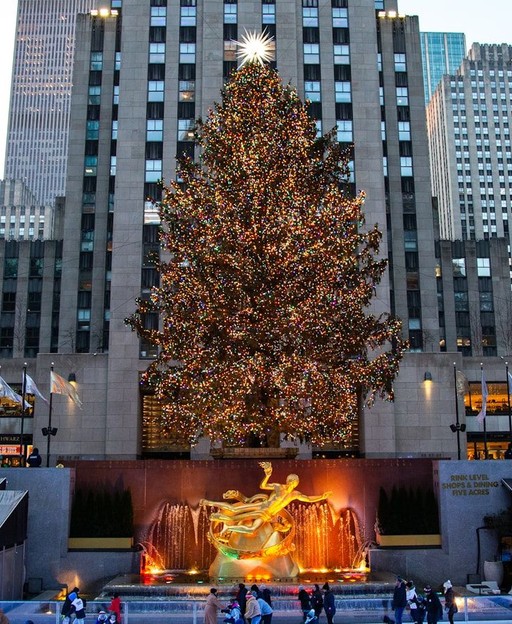
The sunken plaza transforms into an ice-skating rink from October through April. Each December, the famous Christmas tree towers above it — one of the city’s most beloved seasonal traditions. The history of Rockefeller Center is full of surprises, including a notorious mural controversy involving Diego Rivera that ended with a pickaxe.
Grand Central Terminal
Grand Central Terminal at 42nd Street and Park Avenue is one of the finest buildings in New York. The main concourse ceiling stretches 12 storeys high and displays a mural of the night sky in turquoise and gold. More than 750,000 people pass through the building every day, yet it never loses its sense of grandeur.
Explore beyond the main hall. The lower concourse holds a proper food market with dozens of artisan vendors. Stand in the whispering gallery near the Oyster Bar and speak softly into the arched wall — your words carry to someone standing at the opposite corner. The secrets of Grand Central Terminal reward anyone willing to slow down and look carefully.
The Museum of Modern Art (MoMA)
MoMA sits on 53rd Street between Fifth and Sixth Avenues, a short walk from Rockefeller Center. Its permanent collection includes some of the most significant works in modern art history — Picasso’s Les Demoiselles d’Avignon, Monet’s Water Lilies, Van Gogh’s The Starry Night, and Warhol’s Campbell’s Soup Cans.
Plan to spend at least two to three hours here. The building itself is elegant, with open atriums and a beautiful sculpture garden. Friday evenings from 17:00 to 21:00 are a quieter and atmospheric time to visit. For a broader look at New York’s extraordinary cultural institutions, see the guide to the best museums in New York City.
Times Square and Bryant Park
Times Square divides visitors like almost nowhere else in New York. It is overwhelming, commercial, and relentless — and also unlike anything else in the world. The illuminated billboards tower over Broadway as it crosses Seventh Avenue, and the energy of the crowds is genuinely electric, especially after dark.
Most experienced visitors recommend seeing Times Square rather than lingering in it. Walk through, absorb the spectacle, then retreat to a quieter corner of Midtown. Bryant Park, a few blocks east at 42nd Street and Sixth Avenue, provides the perfect contrast — a calm green square surrounded by skyscrapers where you can sit and watch the city breathe.
Enjoying this? Join New York lovers getting stories like this every week. Subscribe free →
Eating and Drinking in Midtown Manhattan
Midtown has a reputation for tourist traps, and some of it is deserved. But look a little harder and you will find exceptional food — you just need to know where to go.
Hell’s Kitchen: Midtown’s Food Quarter
Hell’s Kitchen runs along Ninth and Tenth Avenues on the western side of Midtown, roughly from 34th Street up to 59th Street. The neighbourhood transformed from a rough industrial district into one of the city’s most vibrant dining destinations over recent decades. Thai, Ethiopian, Mexican, Korean, and Lebanese restaurants all sit within a few blocks of each other here.
The area carries a genuine neighbourhood feel that cuts through the surrounding Midtown noise. Walk along Ninth Avenue on a weekend morning and it feels like a proper local food market. The history of Hell’s Kitchen explains how the neighbourhood earned its name — and why it has survived every wave of gentrification with its character intact.
Koreatown on 32nd Street
Koreatown clusters around 32nd Street between Fifth and Sixth Avenues, just south of Midtown proper. The street is packed with Korean restaurants, karaoke bars, and BBQ joints that stay open well past midnight. It offers some of the best value-for-money dining in Manhattan. Order Korean BBQ with a group — you cook at the table, share everything, and the evening takes care of itself.
The Grand Central Food Market
The lower concourse at Grand Central Terminal holds one of the city’s best food markets. Artisan cheese, fresh pasta, specialist bakeries, and quality delis all operate from permanent stalls. It is far better than you might expect from a railway terminal and makes a brilliant lunch stop between sightseeing. Arrive before noon on weekdays to get ahead of the office lunch rush.
Getting Around Midtown Manhattan
Midtown is the most walkable part of New York City. Most major sights sit within a 20-minute walk of each other. The numbered street grid makes navigation straightforward — even first-time visitors quickly get their bearings.
The subway is the fastest way to reach Midtown from other parts of the city. Grand Central-42nd Street, Times Square-42nd Street, 47–50th Streets-Rockefeller Center, and 34th Street-Penn Station are the four main hubs. Taxis and ride-share apps work well, though traffic can slow considerably during peak hours. See the full New York City subway guide for tourists for everything you need to navigate the system confidently.
Tips for Visiting Midtown Manhattan
A few practical tips make a real difference to your Midtown day.
Book observation decks in advance. Both the Empire State Building and the Top of the Rock at Rockefeller Center are far less stressful with a timed entry ticket booked beforehand. Same-day queues can stretch to 90 minutes or more at busy times.
Start early or stay late. Midtown is most enjoyable before 10:00 in the morning and after 18:00 in the evening. The midday rush is real, particularly around Times Square and Fifth Avenue.
Walk the side streets. The grand avenues — Fifth, Park, Lexington — carry most of the tourist traffic. Slip onto 48th or 49th Street and you will find a calmer New York. The block between 46th and 47th Streets on Sixth Avenue is the Diamond District, a dense stretch of jewellery shops that has occupied the same spot for decades.
Plan time for Bryant Park. This compact public square at 42nd Street and Sixth Avenue is one of the most pleasant spots in all of Midtown. Free Wi-Fi, free table tennis tables, outdoor film screenings in summer, and a winter skating rink — and it costs nothing to sit and watch the city go by.
Frequently Asked Questions About Visiting Midtown Manhattan
What is the best time to visit Midtown Manhattan?
Spring (April to early June) and autumn (September to November) offer the most pleasant conditions for exploring Midtown Manhattan. Temperatures are comfortable for walking, the crowds are smaller than in peak summer, and the city looks its best. Summer is lively but can feel oppressively busy around the major sights. Winter brings spectacular Christmas lights and ice-skating rinks alongside the coldest temperatures of the year.
How do I get to Midtown Manhattan from the airports?
From JFK, the AirTrain connects to the subway (A or E line) and brings you into Midtown in roughly 60 to 75 minutes. From LaGuardia, a bus-and-subway combination works, though a taxi or ride-share takes around 30 to 45 minutes in lighter traffic. From Newark Liberty, the NJ Transit train connects to Penn Station in around 30 minutes from the airport terminal. Pre-booking a transfer is worth considering if you are travelling with heavy luggage or arriving late at night.
Is Midtown Manhattan worth visiting for tourists?
Absolutely. Midtown contains some of the most famous and genuinely impressive sights in New York City. The Empire State Building, Grand Central Terminal, and MoMA alone justify a full day here. Midtown rewards a strategic approach: pick your sights in advance, avoid the busiest hours, and balance your time with quieter areas such as Hell’s Kitchen or the calmer blocks of the Upper East Side.
Where should I stay in Midtown Manhattan?
Midtown holds the largest concentration of hotels in New York. For the best balance of access and a quieter street environment, the area around 50th to 55th Streets on the east side tends to feel calmer than the Times Square cluster while keeping you very central. See the full guide to where to stay in New York City for a breakdown of neighbourhoods and price ranges.
Join 1,000+ New York Lovers
Every week, get New York’s lesser-known corners, local secrets, and travel inspiration.
Subscribe free — enter your email:
Free forever · One email per week · Unsubscribe anytime
