
Walk down Nassau Avenue on a Tuesday morning. You might still hear Polish spoken at the butcher’s counter. You might see the word Piekarnia above a bakery door. You might smell żurek — a sour rye soup that Polish grandmothers have been making in this neighbourhood for over a century.
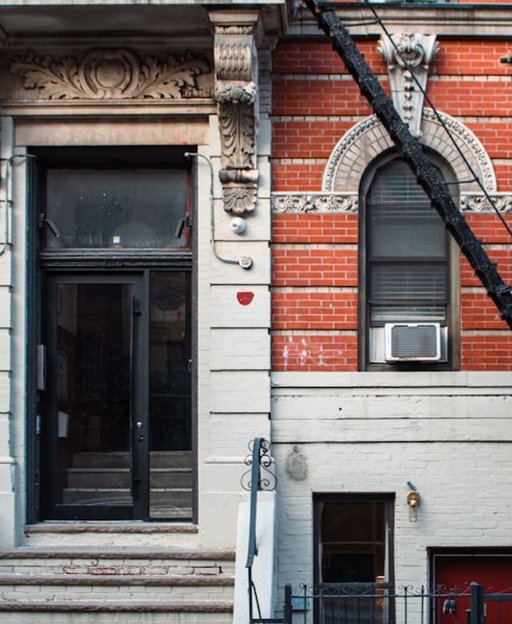
Greenpoint, Brooklyn was America’s Polish heartland. Before it became known for its coffee shops and converted warehouses, it was one of the most densely Polish places outside Warsaw. The community that built it arrived with little. They built an entire world. This is their story.
If you love New York’s hidden stories, you’ll love our free weekly newsletter. Subscribe to Love New York →
Why Greenpoint?
The first Polish immigrants arrived in Greenpoint in the 1870s and 1880s. They came for the same reason most immigrants came to Brooklyn: work.
The neighbourhood sat on the East River waterfront. Shipyards, factories, and oil refineries lined the shore. The Standard Oil Company had a major refinery just north of Greenpoint. There were also rope factories, glass works, and ironworks nearby.
It was hard, dangerous work. Hours were long. Pay was low. But Greenpoint offered something vital. It was close enough to Manhattan for work. It was far enough away to build a world of your own.
Greenpoint’s streets were being laid out just as the Polish were arriving. Rents were affordable. A community could take root before the neighbourhood was fully formed.
Building “Little Poland”
By 1900, Greenpoint had earned a new name: Little Poland.
The Polish community built its world street by street. Nassau Avenue became the main artery of daily life. Polish-owned bakeries, butchers, and grocers lined the pavements. Signs were written in Polish. Neighbours greeted each other in their mother tongue.
But the most important buildings were the churches.
St. Anthony of Padua, established in 1872, was the first Polish Catholic parish in Brooklyn. For the earliest Polish arrivals, it was more than a place of worship. It was a meeting hall, a registry, and a refuge. Priests kept records that families still use for genealogy research today.
St. Stanislaus Kostka Church followed in 1896. Named for a Polish Jesuit saint, it served the second wave of immigrants who arrived around the turn of the century. The church still stands on Driggs Avenue.
What Life Actually Looked Like
By 1910, tens of thousands of Polish immigrants lived in Greenpoint. The streets around Nassau Avenue were crowded with wooden row houses and tenement buildings.
A typical family lived in three or four rooms. Parents and children shared bedrooms. In many buildings, a single bathroom served the entire floor.
Working men left before dawn. Factories along the East River ran through the night. Women worked too — in garment workshops and laundries. Many took in piecework or lodgers to help make the rent.
Sundays were different. Mass at St. Anthony’s drew the whole neighbourhood. After church, families gathered at the Polish National Home — the Dom Narodowy — for music, food, and conversation in their own language.
Children attended Polish-language schools attached to the churches. By 1915, Greenpoint had one of the largest Polish-speaking school populations in the United States.
The neighbourhood had its own Polish-language newspapers. It had Polish doctors and Polish lawyers. It had Polish political clubs. For a new arrival stepping off the boat at Ellis Island, Greenpoint offered a version of home.
See also: New York in 1910: What Life Was Really Like for Immigrant Families — a deep dive into daily life across the city’s immigrant neighbourhoods.
The Second and Third Waves
The Polish community in Greenpoint was not built in one moment. It was rebuilt again and again.
After the Second World War, a new wave arrived. These were Displaced Persons — DPs. They were Poles who had survived the war but could not return home. Poland was now under Soviet control. Many had survived concentration camps or years as refugees across Western Europe.
They arrived in Greenpoint and found a community already waiting for them. But they also brought something new: a raw and recent grief that shaped the neighbourhood for decades.
Then came the 1980s.
Poland’s Solidarity movement was shaking the country. Martial law was declared in 1981. Thousands of Poles left — many of them young, many of them political. Greenpoint absorbed another wave. This one was fuelled by idealism and exile.
These newcomers revived the neighbourhood’s Polish identity. They opened new restaurants and bakeries. They kept Polish alive on Nassau Avenue at a moment when it might otherwise have faded.
Want more stories like this? Our weekly newsletter goes deeper into New York’s heritage every week. It’s free. Subscribe here →
What Survives Today
Greenpoint has changed. The warehouses along the waterfront have become apartments. Rents have risen sharply. Many younger Polish-Americans have moved to the suburbs of New Jersey and Long Island.
But the Polish presence is still real.
Walk along Nassau Avenue and you will still find Polish delis, Polish butchers, and Polish bakeries. Kielbasa, pierogi, and smoked meats sit behind glass cases that have not changed much in fifty years.
The Polish & Slavic Federal Credit Union still operates in Greenpoint. Founded to serve the Polish community, it was one of the largest community credit unions in the United States by the 1990s.
St. Anthony of Padua still holds Mass. The church building dates to 1874. Inside, murals and altarpieces were created by Polish craftsmen. The parish records, dating back to the earliest years of the community, are an extraordinary resource for anyone tracing Polish-American ancestry.
The food is still here too. The pierogi at Christina’s on Bedford Avenue have drawn loyal customers since 1983. The bread at Polish bakeries on Nassau Avenue is made from old recipes. These are not tourist attractions. They are living threads to the neighbourhood’s history.
See also: Things to Do in Brooklyn, New York: Your Complete 2026 Guide — including how to spend a day in northern Brooklyn.
How to Visit Greenpoint’s Polish Heritage
Greenpoint is easy to reach. The G train stops at Nassau Avenue and Greenpoint Avenue. From Manhattan, the East River Ferry connects to Greenpoint Landing on weekdays.
Begin on Nassau Avenue. Walk west toward the East River and east toward McCarren Park. The bakeries and delis are mostly along this stretch. Look for Polish flags and signs marking the old community businesses.
Visit St. Anthony of Padua on Meserole Avenue. The church welcomes visitors. If you are researching Polish ancestry, the parish office can help with baptismal and marriage records.
Walk to St. Stanislaus Kostka on Driggs Avenue. The church exterior is worth seeing for its architecture alone.
Finish at McCarren Park, on the border between Greenpoint and Williamsburg. Polish families have gathered in this park for over a century. Today it hosts community events in summer and autumn.
If you are tracing Polish roots in Greenpoint specifically, the How to Trace Your New York City Ancestry guide on this site covers the key genealogy resources — including church records and vital records held in Brooklyn.
The Bigger Picture
Greenpoint is part of a broader Polish-American story. It did not stay in one neighbourhood forever.
Families who arrived in Greenpoint in the 1880s often moved to Queens or Long Island by the 1950s. Their children became doctors and teachers and engineers. But the church records in Greenpoint are where those stories begin.
Millions of Americans with Polish surnames — Kowalski, Wiśniewski, Nowak, Wójcik — have a connection to this stretch of Brooklyn, whether they know it or not. Understanding Greenpoint is understanding one of the great chapters in New York’s immigrant history.
See also: The Lower East Side That Jewish Immigrants Built: A Story of Survival and Pride — another New York neighbourhood built by newcomers who arrived with nothing.
Frequently Asked Questions
When did Polish immigrants first arrive in Greenpoint, Brooklyn?
The first significant Polish arrivals came to Greenpoint in the 1870s and 1880s, drawn by factory and shipyard work along the East River waterfront. By 1900, the neighbourhood had earned the informal name “Little Poland.”
What Polish churches can I visit in Greenpoint today?
Two historic Polish parishes still hold services in Greenpoint. St. Anthony of Padua on Meserole Avenue was founded in 1872 and is the oldest Polish Catholic parish in Brooklyn. St. Stanislaus Kostka Church on Driggs Avenue was established in 1896. Both retain their original architecture.
How do I trace Polish ancestry connected to Greenpoint?
Begin with the parish records at St. Anthony of Padua and St. Stanislaus Kostka. These churches recorded baptisms, marriages, and deaths from the 1870s onwards. The NYC Department of Records holds civil vital records from the 1880s. Our complete NYC ancestry guide walks you through every step.
Is there still a Polish community in Greenpoint today?
Yes. While the neighbourhood has changed significantly, Polish delis, bakeries, butchers, and community institutions still operate on Nassau Avenue and the surrounding streets. The Polish & Slavic Federal Credit Union continues to serve the community, and Polish is still spoken in many older neighbourhood businesses.
Ready to explore the New York your ancestors knew? Subscribe to Love New York — free weekly stories, heritage guides, and hidden history. Join us →
