
Astoria, Queens is one of the best neighbourhoods in New York City for visitors who want something beyond the midtown crowds. It sits directly across the East River from Manhattan. Here you will find the Museum of the Moving Image, the oldest beer garden in the city, excellent Greek food, and a waterfront park that most tourists never reach. If you have been sticking to Manhattan, Astoria is where you go next.
This guide covers the best things to do in Astoria, Queens. It also covers how to get there, where to eat, and what to expect when you arrive. Whether you are a first-time visitor or returning to explore further, Astoria rewards every hour you give it.
Why Visit Astoria?
Astoria is one of the most diverse neighbourhoods in the world. Greeks have called it home since the early twentieth century. Their influence shows on every block of Ditmars Boulevard. Egyptian, Bangladeshi, Mexican, and West African communities have also put down deep roots here. The result is a food and culture scene unlike anywhere else in the five boroughs.
The neighbourhood is far easier to reach than many visitors realise. The N and W trains run from Times Square and Midtown Manhattan. You arrive at Ditmars Boulevard in under thirty minutes. Once there, almost everything worth seeing is walkable.
Astoria is a key reason to visit Queens. It is a borough that most tourists underestimate — and then quickly fall in love with.
Museum of the Moving Image
The Museum of the Moving Image is one of the finest film and television museums in the world. It sits right in Astoria. The permanent collection is called Behind the Screen. It covers the history of cinema and TV production using original sets, cameras, costumes, and editing equipment. You can dub your own voice onto a Hollywood film scene. You can also build a zoetrope or step inside a 1920s nickelodeon.
The museum’s film programme runs themed retrospectives, premieres, and Q&A events throughout the year. Admission costs around fifteen dollars for adults. On Friday afternoons between four and eight o’clock, it is completely free.
Address: 36-01 35th Avenue, Astoria. Nearest subway: Steinway Street (M/R) or 36 Avenue (N/W).
Astoria Park and the Waterfront
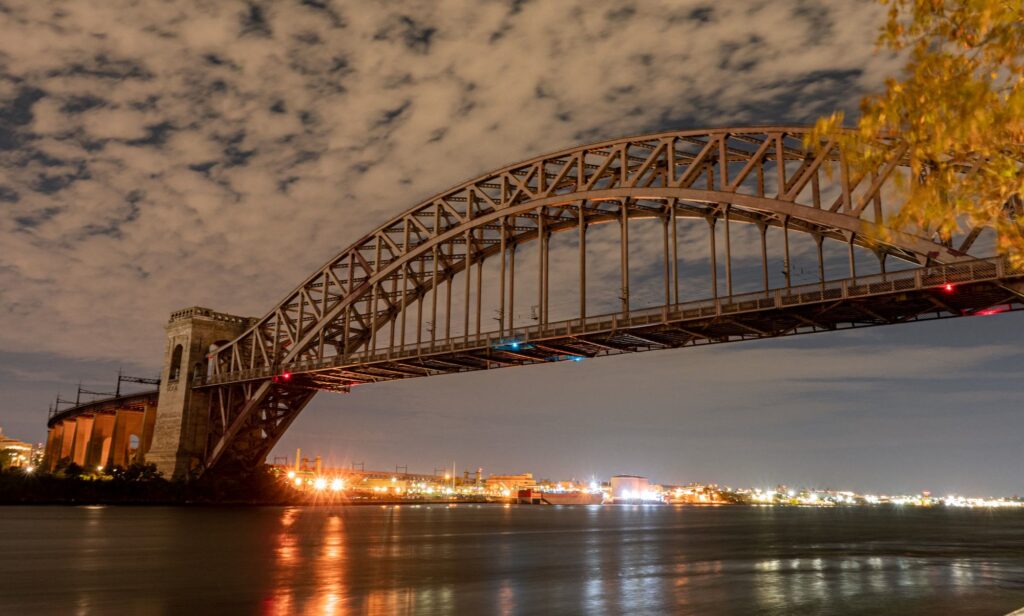
Astoria Park is one of the most dramatic green spaces in New York City. It runs along the East River waterfront. The Hell Gate Bridge and the Robert F. Kennedy Bridge form its backdrop. On a clear day you can see the Manhattan skyline, Randalls Island, and the Bronx rail yards — all from one spot.
Within the park you will find the Astoria Pool. It is the largest outdoor public pool in the New York City Parks system. It was built during the New Deal era. It hosted events during the 1936 Olympic trials. Today it still opens as a public pool in summer. The waterfront running path is quieter and more scenic than most routes in Manhattan.
The park is free to enter. Walk north from the Ditmars Boulevard subway station for about ten minutes to reach it.
Bohemian Hall Beer Garden
Bohemian Hall is the oldest beer garden in New York City. It opened in 1910. Czech immigrants built it to recreate the communal outdoor drinking culture of central Europe. The hall itself is a beautiful red-brick building. The garden behind it is large, tree-shaded, and lit with strings of lights on summer evenings.
The beer selection leans on Czech and German lagers. Pilsner Urquell is on tap. The food is honest and filling: sausages, pierogies, roast pork, and pretzels. It is one of the most relaxed places to spend an afternoon in the outer boroughs. Prices remain low by New York standards.
Address: 29-19 24th Avenue, Astoria. The garden is open year-round. It is best between April and October.
Greek Food on Ditmars Boulevard
Astoria’s Greek community arrived in large numbers during the 1950s and 1960s. Their food culture is one of the finest things about the neighbourhood. The stretch of Ditmars Boulevard between 31st and 35th Streets is the heart of it. Here you will find bakeries, butchers, fish shops, and tavernas that have operated for decades.
Taverna Kyclades is widely regarded as the best seafood restaurant in the neighbourhood. The queue out the door on a Friday evening is evidence enough. Elias Corner is older and more plainly decorated, but its grilled whole fish has made it a New York institution. For pastry, Artopolis sells some of the best bougatsa and baklava outside of Greece.
Take time to stop at a bakery for a coffee and a cheese pie. It is the kind of morning that is rare anywhere in New York at this price. You can find more local gems like this across the city’s outer boroughs.
Socrates Sculpture Park
Socrates Sculpture Park is a four-acre outdoor museum on the waterfront at the north end of Astoria. It sits below the Queensboro Bridge approach. The park was an abandoned landfill in the 1980s. A group of artists, led by sculptor Mark di Suvero, converted it into an open-air space for large-scale contemporary sculpture.
The exhibitions change annually. They always feature work by both emerging and established artists. Admission is free. The park opens every day from nine in the morning until sunset. The views of Manhattan across the river are among the best in Queens.
Address: 32-01 Vernon Boulevard. Nearest subway: Broadway station (N/W), then a fifteen-minute walk north along Vernon Boulevard.
Steinway Street and Little Egypt
Steinway Street is the commercial spine of Astoria. It is also the gateway to what locals call Little Egypt. Between 25th and 28th Avenues, you will find halal butchers, Egyptian patisseries, shisha cafés, and stores selling prayer rugs and Islamic calligraphy. The cafés stay busy well into the night. The whole stretch is entirely genuine and not at all touristy.
A bowl of koshary from an Egyptian takeaway here costs around five dollars. It is one of the best value meals you will find in New York.
Steinway Street takes its name from the Steinway piano factory. The company has operated in Astoria since 1870. Workers’ cottages built in the nineteenth century for the factory’s craftsmen still stand near 38th Street and 20th Avenue. They are a quiet reminder of how long people have made their lives here.
Kaufman Astoria Studios
Kaufman Astoria Studios is one of the oldest continuously operating film studios in America. It was built in 1919 by the Famous Players–Lasky Corporation, which later became Paramount Pictures. Gloria Swanson, Rudolph Valentino, and the Marx Brothers all worked here during the silent era. During the Second World War, the studios produced training films for the US Army.
The studios do not offer public tours. Their history runs through the Museum of the Moving Image next door, which occupies the original studio building. The two make a natural half-day visit.
Everyday Life in Astoria
One of the pleasures of Astoria is that it rewards wandering. The streets between the subway and the waterfront are full of small, independent businesses. Record shops, vintage clothing stores, independent bookshops, and neighbourhood bars sit side by side. Many have been here since the 1970s. 30th Avenue has a lively strip of cafés and restaurants that draws residents from across western Queens.
Astoria is one of the best neighbourhoods in New York City for visitors who want to see how people actually live here. It is residential and real in a way that much of Manhattan no longer is.
If you want to explore more of the borough, nearby Flushing is equally rewarding. See the complete guide to Flushing, Queens for what to do there.
How to Get to Astoria from Manhattan
Take the N or W train from Times Square or any Midtown station. The journey takes around twenty-five to thirty minutes. Key stops are 30th Avenue (for restaurants and bars), Ditmars Boulevard (for the park and beer garden), and Steinway Street (for the museum and studios).
From Lower Manhattan or Brooklyn, the Q101 bus crosses the Queensboro Bridge and runs along Astoria Boulevard. It connects to First and Second Avenues in Manhattan. The bus takes longer but offers street-level views of the bridge approach.
The NYC Ferry also calls at Astoria. The landing is on Vernon Boulevard, just below Socrates Sculpture Park. It links the neighbourhood to Long Island City and Midtown East.
When to Visit Astoria
Astoria works all year, but late spring through early autumn is when it shines. The beer garden fills up. Astoria Pool opens. The waterfront at Socrates Sculpture Park becomes one of the best places to spend an afternoon in New York.
In summer, the neighbourhood hosts the Astoria Music and Arts Festival. Socrates Sculpture Park runs a regular outdoor film series. In winter, the food and the Museum of the Moving Image give you good reason to make the trip. The N and W trains run frequently all year, so there is no reason to avoid Astoria in the colder months.
Is Astoria worth visiting for tourists?
Yes, Astoria is absolutely worth visiting. It has the Museum of the Moving Image, Astoria Park, the oldest beer garden in New York, and outstanding Greek food. It also has a genuine neighbourhood feel that is rare in central Manhattan. The N and W trains connect it to Midtown in under thirty minutes, making it one of the easiest outer-borough day trips in New York City.
What is Astoria, Queens best known for?
Astoria is best known for its large Greek community and its exceptional Greek restaurants along Ditmars Boulevard. It is also known for the Museum of the Moving Image, Kaufman Astoria Studios, and Bohemian Hall — the oldest beer garden in New York City. The neighbourhood’s cultural mix and its East River waterfront make it one of the most interesting places in the five boroughs.
How do I get to Astoria from Midtown Manhattan?
Take the N or W train from Times Square towards Ditmars Boulevard. The journey takes about twenty-five to thirty minutes. Ditmars Boulevard is the last stop on both lines. It is the best station for Astoria Park and the northern part of the neighbourhood.
What is the Museum of the Moving Image in Astoria?
The Museum of the Moving Image is a world-class film and television museum in Astoria, Queens. It is housed in a former Paramount Studios building. Its permanent exhibition, Behind the Screen, covers the history of cinema and broadcast media. Admission is free on Friday afternoons from 4pm to 8pm. It is one of the best and most undervisited museums in New York.
Join 1,000+ New York Lovers
Every week, get New York’s lesser-known corners, local secrets, and travel inspiration.
Subscribe free — enter your email:
Free forever · One email per week · Unsubscribe anytime
