
On 25 March 1911, 146 young women jumped, fell, or burned to death inside a Greenwich Village factory. Most were Jewish immigrants from Eastern Europe. Many were Italian. Almost all were under 25. The fire lasted only 18 minutes. Its consequences lasted a century.
If you love New York’s hidden stories, you’ll love our free weekly newsletter. Subscribe to Love New York →
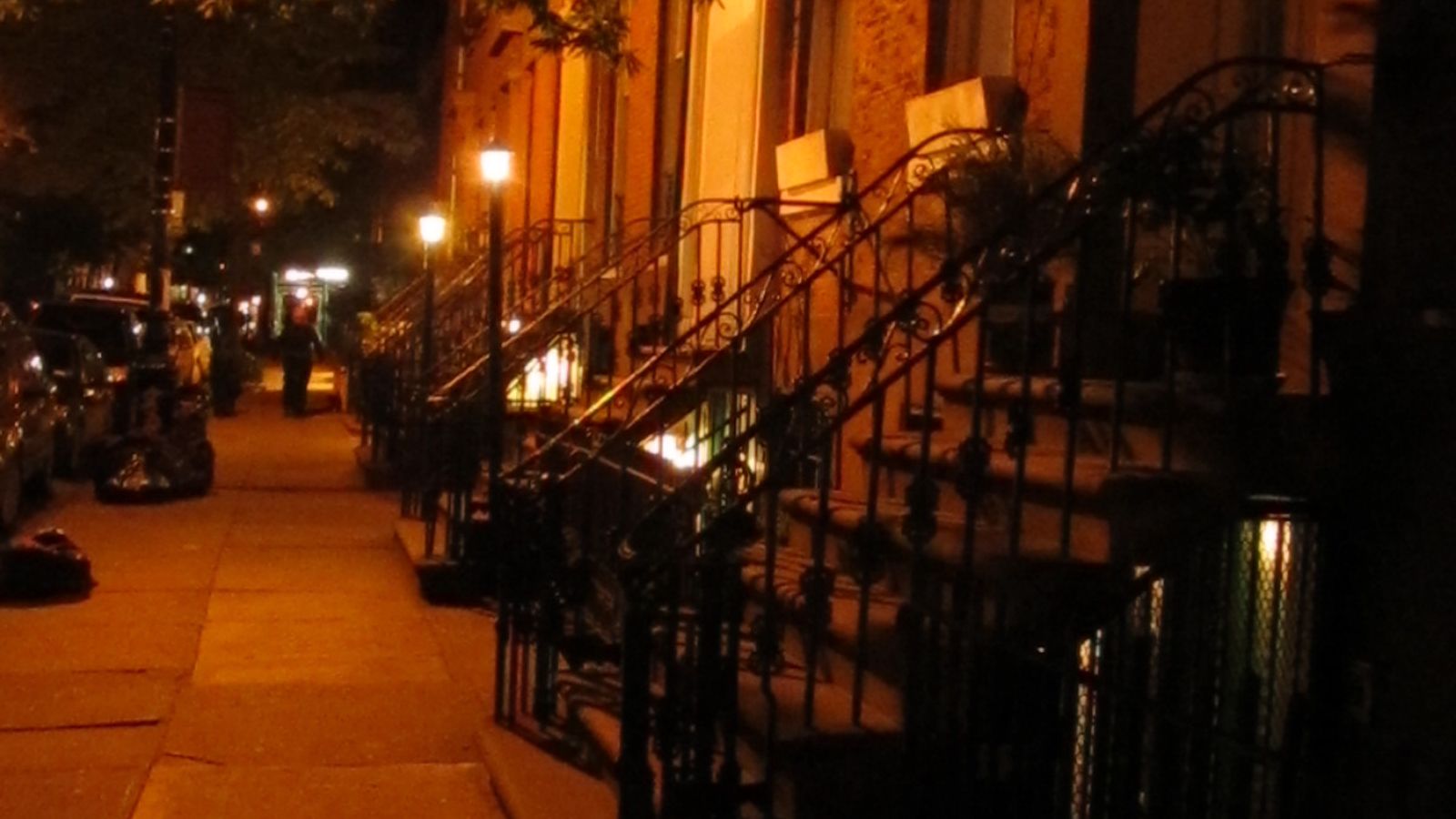
The Asch Building still stands today at 23–29 Washington Place, just south of Washington Square Park. New York University now owns it. A memorial plaque marks the spot where immigrant women worked six days a week, earned $7 a week, and died because a factory owner locked the exit doors.
Who Were These Women?
The Triangle Shirtwaist Factory employed about 500 workers. Mostly young women. Mostly recent arrivals. They came from the shtetls of Russia and Poland, from the villages of southern Italy, from the Austro-Hungarian Empire.
They made blouses — “shirtwaists” — in the fashionable style of the day. America’s middle-class women wore them. The immigrant women who sewed them could never have afforded to buy one.
The women worked on the 8th, 9th, and 10th floors of the building. The windows looked out over lower Manhattan. When the fire started at 4:45pm on a Saturday afternoon, those windows became the only way out for many of them.
Most workers had already left for the day. The fire broke out just before closing time. Those who remained found themselves trapped.
The factory owners, Isaac Harris and Max Blanck, had locked the exits. They did this to prevent workers from stealing fabric scraps. They did this to stop unauthorised breaks. It was common practise at the time. Nobody had stopped them.
The Eighteen Minutes That Changed Everything
The fire started in a rag bin on the 8th floor. The cutters stored scraps of fabric beneath their tables. Carelessly discarded cigarette ends set the bin alight. It caught fire fast.
A bookkeeper on the 10th floor telephoned the owners, who escaped via the roof. She did not telephone the workers on the 9th floor below. Those women found out when flames appeared around them.
The fire brigade arrived quickly. Their ladders reached only to the 6th floor. The women worked three floors higher.
People on the street watched. A young woman named Frances Perkins watched from Washington Place. She saw women leap from the windows. She could not look away. Twenty-three years later, as Franklin Roosevelt’s Secretary of Labor, she passed the laws that changed American workplaces forever.
The fire doors were locked. The single fire escape collapsed under the weight of the women trying to use it. The elevator operator made four trips before the heat stopped him. After that, the women had two choices: burn or jump.
One hundred and forty-six people died. The youngest was 14 years old. Her name was Kate Leone.
The Survivors Who Refused to Stay Silent
Want more stories like this? Our weekly newsletter goes deeper into New York’s heritage every week. It’s free. Subscribe here →
Two weeks after the fire, 80,000 people marched through Manhattan in the rain. They marched for the dead. They marched to demand change.
A small Jewish woman named Rose Schneiderman addressed a crowd at the Metropolitan Opera House. She spoke quietly, which made people listen harder.
“This is not the first time girls have been burned alive in the city,” she said. “Every year thousands of us are maimed. The life of men and women is so cheap and property is so sacred.”
Schneiderman had organised garment workers for years. Now New York finally listened. She became one of the most important labour leaders in American history.
The Asch Building fire galvanised the International Ladies’ Garment Workers’ Union. The ILGWU had already staged a major strike in 1909 — the “Uprising of the 20,000” — when women walked out of garment factories across Manhattan. The Lower East Side immigrant community had organised street by street, building by building. But it took 146 deaths to create real political change.
The Laws That Followed
New York State created the Factory Investigating Commission in 1911. Two Tammany Hall politicians led it: Robert Wagner and Al Smith. They visited factories across the state. What they found horrified them.
Over the next four years, New York passed 34 new labour laws. They mandated fire escapes. They limited working hours. They banned child labour. They required factory inspections. They protected workers in ways that had never existed before in American law. The rest of the country eventually followed.
The two factory owners stood trial for manslaughter. The jury acquitted them. Their lawyer argued the prosecution could not prove Harris and Blanck knew the doors were locked at the time of the fire. Max Blanck later received a conviction for violating the new fire safety laws. He paid a $20 fine.
Where These Women Came From
The Triangle workers came from two main communities. Understanding this helps you understand New York.
The Jewish workers came overwhelmingly from the Lower East Side. They lived in the tenement buildings south of Houston Street, in the same overcrowded apartments that late 19th-century New York built for exactly this wave of migration. They came from Russia, Poland, Lithuania, and Romania. They fled pogroms. They came to build something better. In America, “building something better” often meant sitting at a sewing machine for 59 hours a week.
The Italian workers came from further afield — from Little Italy on Mulberry Street, from the newer Italian communities in Brooklyn. Little Italy had been building since the 1880s. Families from Sicily and Naples and Calabria had transformed Mulberry Street into something that felt like home.
These two communities — Jewish and Italian — did not always see eye to eye. Different languages, different traditions, different relationships with labour unions. But in March 1911, they died together. On the memorial at the building, their names stand together.
The Building Today — Your Heritage Visit
The Asch Building stands as solidly as it did in 1911. NYU calls it the Brown Building. You can walk past it any day of the week.
The building sits at the corner of Washington Place and Greene Street in Greenwich Village. A bronze plaque marks the spot. It is understated — a small marker on a large grey building. That understatement feels right. The women who died here were not famous. They were ordinary. That was the point.
Each 25 March, the Remember the Triangle Fire Coalition holds a commemorative ceremony at the building. Speakers read all 146 names aloud. It takes a long time.
More Heritage Sites Near the Triangle Factory
Washington Square Park — one block north of the factory building. Immigrant workers at the Triangle Shirtwaist Factory could see the park’s arch from their windows. It takes about two minutes to walk between the two.
The New York City Fire Museum — 278 Spring Street, SoHo. The museum holds artefacts from the fire and tells the story of how it changed fire safety codes across the United States.
Tenement Museum, Lower East Side — 103 Orchard Street. This museum tells the story of the Jewish and Italian immigrants who lived in exactly the conditions that made the Triangle fire possible. Tours run daily and require advance booking.
Green-Wood Cemetery, Brooklyn — Several victims rest here. The cemetery’s records office can help you find specific graves if you know a family name.
Frequently Asked Questions
Where is the Triangle Shirtwaist Factory building today?
The building still stands at 23–29 Washington Place in Greenwich Village, Manhattan. NYU owns it and calls it the Brown Building. A bronze memorial plaque marks the exterior wall where the fire escape once stood.
How many people died in the Triangle Shirtwaist Factory fire?
One hundred and forty-six workers died on 25 March 1911. Most were young women aged 14–23. The victims included Jewish immigrants from Eastern Europe and Italian immigrants from southern Italy.
Why did the factory owners lock the doors?
The owners locked the exit doors to prevent workers from taking unauthorised breaks and to stop fabric theft. This practise was common and legal at the time. The locked doors prevented workers from escaping the fire and cost 146 lives.
How can I trace my family’s connection to the garment industry?
If your Jewish or Italian ancestors arrived in New York before 1920, they may well have worked in the garment industry. Our step-by-step ancestry guide walks you through the records you can search for free — including immigration records, census data, and the YIVO archives for Jewish family history.
Why This Story Still Matters
The Triangle fire happened in a city that had forgotten to protect its most vulnerable workers. New York let that happen. Then New York refused to let it happen again.
The women who died in that building were not citizens. Most had been in America less than ten years. They could not vote. They had no political power. They had only each other.
They had already marched. They had already organised. They had already stood in the cold outside factories and refused to go back inside. Then, in 18 minutes, 146 of them were gone.
Their deaths achieved what their lives could not fully accomplish: they forced New York to change.
You can still see the building. Stand at the corner of Washington Place and Greene Street and look up at the ninth-floor windows. Read the names on the plaque. Think about what it meant to come to this city with nothing and try to build something.
That is what New York has always been. That is what the women of the Triangle Shirtwaist Factory were.
Ready to explore the New York your ancestors knew? Subscribe to Love New York — free weekly stories, heritage guides, and hidden history. Join us →
