
There are so many things to do in SoHo NYC that a single afternoon barely scratches the surface. This compact Manhattan neighbourhood packs beauty, history, and energy into just a few dozen blocks. Come for the world-class shopping, the art galleries, or the extraordinary Victorian architecture. Come just to walk the cobblestone streets. SoHo rewards every kind of visit.
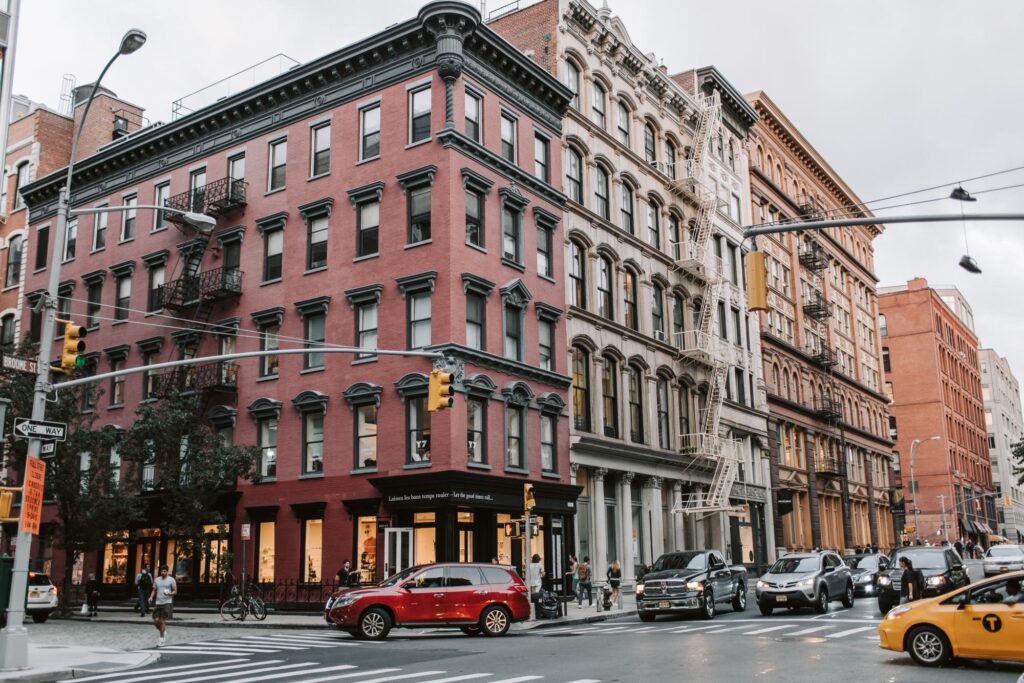
The name SoHo comes from its location: South of Houston Street. Locals pronounce Houston the New York way — “HOW-ston.” This small detail marks the difference between a first-time visitor and someone who has spent real time here. In the 1960s and 1970s, artists moved into the large manufacturing lofts that filled the neighbourhood’s iron buildings. Galleries followed in the 1980s. Today, SoHo is one of Manhattan’s most visited destinations. But traces of its artistic past survive if you know where to look.
Walk the Cast-Iron Streets
The best way to start in SoHo is a slow walk. The neighbourhood holds one of the largest collections of Victorian cast-iron architecture in the world. These buildings are unlike anything else in New York City.
In the mid-1800s, cast-iron fronts allowed builders to create ornate facades at a fraction of the cost of stone. The effect was striking. Block after block of columns, arched windows, and decorated cornices rose across the neighbourhood. Many are still in use today, exactly as their builders intended.
Greene Street
Greene Street is the heart of SoHo’s architecture. Walk its full length and look up. The columns and arched windows repeat in a rhythm that few streets anywhere can match. The buildings date mainly from the 1860s to the 1890s. Most are still commercial at ground level, with loft spaces above.
Two Buildings Worth Finding
Two buildings stand out even in this company. The Haughwout Building at Broadway and Broome Street dates from 1857. It is one of the oldest surviving cast-iron structures in New York. Its arched windows repeat across five storeys in a simple, powerful rhythm. Look at it for a minute and you see why it has lasted.
The Little Singer Building at Broadway and Prince Street takes a different approach. Built in 1904, it mixes cast iron with terracotta and delicate green painted ironwork. The result is closer to Paris than to Victorian New York. It stands out sharply from its heavier neighbours. The detail on the upper floors is worth a long look.
For more ways to explore Manhattan on foot, our guide to New York City’s best self-guided walking tours covers five brilliant routes across the city.
Art Galleries in SoHo
SoHo’s gallery scene is smaller now than in the 1980s. Many dealers moved north to Chelsea. But the neighbourhood still has excellent spaces worth visiting.
The Leslie-Lohman Museum of Art on Wooster Street shows queer art and history. Its rotating exhibitions are ambitious and well-considered. The building itself — a converted loft space — fits right into the neighbourhood. Admission is donation-based, and the museum offers free entry on certain days.
Gagosian has a gallery in SoHo showing major international artists. If contemporary art is not your usual territory, try stepping in anyway. A world-class show costs nothing to see and takes no more than twenty minutes.
Beyond these, dozens of smaller galleries occupy upper-floor lofts across the district. Look for small signs beside street-level buzzers. Many welcome drop-in visitors. The blocks around Wooster and Mercer Streets have the highest concentration.
Shopping in SoHo
Shopping draws many visitors to SoHo. The neighbourhood delivers at every level — from global luxury houses to small independent boutiques tucked into quiet side streets.
Designer Boutiques and Flagship Stores
Broadway, Prince Street, and Spring Street carry most of the major brands. Gucci, Prada, Louis Vuitton, and Chanel all have SoHo locations. The Uniqlo flagship on Broadway spreads across multiple floors. It stocks one of the brand’s largest selections anywhere in the world.
The Apple Store on Prince Street is worth visiting even if you have no intention of buying. The store preserves the original cast-iron ground floor. Above it, a glass-and-steel upper level contrasts with the old ironwork below. It is one of the better new buildings in the neighbourhood.
Independent Shops and Concept Stores
West of Broadway, the streets grow quieter. The shops grow more interesting. Mercer, Greene, Wooster, and West Broadway still hold small jewellery designers, independent boutiques, and curated homewares shops. These reward slow browsing.
SoHo shopping works best when you improvise. Walk a block you haven’t tried before. If a doorway looks interesting, go through it. The neighbourhood’s best finds rarely sit on the main strip.
For a wider view of where to shop across New York, our New York City shopping guide covers the best neighbourhoods and markets city-wide.
Where to Eat and Drink in SoHo
SoHo has a strong food scene. The neighbourhood attracts well-travelled visitors who expect good restaurants. That demand keeps standards high. The proximity to Little Italy and Nolita adds further options within easy walking distance.
Coffee and Cafes
The neighbourhood’s cafe culture leans toward specialty coffee. You’ll find independent roasters and well-sourced espresso bars on most main streets. SoHo is a good place to slow down. Find a window seat with a view of the street. Watch the foot traffic for half an hour. Few better uses of a mid-morning exist.
Lunch, Brunch, and Dinner
Fanelli Cafe at Prince and Mercer Streets is one of New York’s oldest bars. The interior has barely changed in decades. Wooden fixtures, a pressed-tin ceiling, and a short menu. For a neighbourhood known for luxury, it offers welcome contrast. Prices are reasonable by SoHo standards.
Balthazar on Spring Street is one of New York’s most celebrated French brasseries. Beautiful tiled floors, a long zinc bar, and classic French cooking. It is a genuinely special experience. Book in advance, especially at weekends. Dinner is quieter than brunch.
Grand Street and the blocks closer to Canal Street offer more casual dining. Thai, Chinese, and Italian restaurants here are less expensive and equally good for a weekday lunch.
For a broader tour of what New York does best on a plate, our New York City food guide covers everything from dollar pizza to fine dining.
Hidden Corners Worth Finding
SoHo rewards visitors who slow down and look beyond the obvious. Three things are easy to miss on a first visit.
The Puck Building stands on Lafayette Street at the neighbourhood’s eastern edge. Built in 1885, it once housed the satirical magazine Puck. A large gilded figure of Shakespeare’s mischievous character stands at the corner. Most visitors walk straight past it. You shouldn’t.
The fire escapes. SoHo’s iron staircases bolt to the fronts of the old buildings. From street level, they create layered geometric patterns. The blocks around Broome and Mercer Streets are the best for this. Countless films have been shot here. Once you see why, you won’t forget it.
The cobblestones themselves. Not every SoHo block keeps its original Belgian-block paving — but several do. Walk them in the evening when the crowds thin. The wide, uneven stones give a real sense of what this place felt like 150 years ago, when it was full of factories and trade.
Our guide to New York City’s hidden gems covers many more unexpected corners across all five boroughs.
Getting to SoHo
SoHo sits in Lower Manhattan, below Greenwich Village and above Tribeca. The subway is the easiest way to get there.
- N, Q, R, W trains → Prince Street (Broadway at Prince) — right in the heart of SoHo
- B, D, F, M trains → Broadway-Lafayette Street (Houston at Broadway) — northern edge
- A, C, E trains → Spring Street (Sixth Avenue) — western edge
- 6 train → Spring Street (Lafayette Street) — eastern edge
Once you arrive, put the map away. SoHo is entirely walkable. The main streets are within ten minutes of each other on foot. Little Italy and Nolita border the neighbourhood to the east. Tribeca is just to the south. Our complete guide to getting around New York City covers every transport option in detail.
When to Visit SoHo
SoHo is busiest on weekend afternoons — particularly Saturday. Weekday mornings from Tuesday to Thursday are much quieter. Shops and galleries feel relaxed. The streets are easy to walk.
Summer brings heat and crowds. The cobblestones hold warmth. The neighbourhood has limited shade. Visit early in the morning or in the early evening to avoid the worst of the midday press.
Autumn is SoHo at its best. September through November brings comfortable temperatures and long afternoon light. The low sun hits the cast-iron facades at a beautiful angle. The nearby parks add colour. It is an excellent time to visit.
December is busy but rewarding. The shopping is excellent. The decorations tend toward the understated — hanging lights and small window displays rather than the more intense versions further uptown. Expect queues at popular stores on weekends.
Our month-by-month guide to the best time to visit New York City gives a full seasonal breakdown.
Frequently Asked Questions
What is SoHo NYC famous for?
SoHo is famous for its cast-iron Victorian architecture, its history as an artists’ quarter, and its world-class shopping. The SoHo Cast Iron Historic District contains some of the finest 19th-century commercial buildings in America. The cobblestone streets and ornate facades make it one of Manhattan’s most photographed areas.
How much time do I need in SoHo?
A half day — around three to four hours — is enough to walk the main streets, look at the architecture, and browse a few shops or galleries. If you plan to eat a sit-down meal and visit the Leslie-Lohman Museum, allow a full day. SoHo rewards slow exploration. A rushed visit misses the best of it.
Is SoHo easy to reach from other parts of Manhattan?
Yes. SoHo is centrally located and well-connected. Greenwich Village is a short walk north. Tribeca and Little Italy border SoHo directly. From the High Line in Chelsea, the walk takes around twenty minutes. Most visitors combine SoHo with at least one neighbouring area in a single afternoon.
Join 1,000+ New York Lovers
Every week, get New York’s lesser-known corners, local secrets, and travel inspiration.
Subscribe free — enter your email:
Free forever · One email per week · Unsubscribe anytime
