
Red Hook sits at the edge of Brooklyn, on a point of land that pokes into New York Harbor. For more than a century, dockworkers from Italy, Ireland, Norway and the American South made this waterfront work. If your family loaded ships here, this guide shows you where to look.
If you love New York’s hidden stories, you’ll love our free weekly newsletter. Subscribe to Love New York →
Why Red Hook Has Its Name
Dutch settlers reached this shore in 1636. They called it Roode Hoek. That means “red point” or “red corner.” The name came from the red clay soil and the spit of land that stuck out into the bay. The English word “hook” crept in later, but the Dutch word is the real root. Wikipedia’s Red Hook entry tells the full story.
The Dutch left their mark on the street map too. Rapelye Street honors a family that lived in Brooklyn for centuries. The family traced its roots to Sarah Rapelje, born in the early Dutch colony.
In 1776, the Continental Army built Fort Defiance on the point. Soldiers aimed cannon at British ships in the harbor. Those cannon did some damage, but the British took the city anyway. Today you will not find the fort. You can still stand on the shoreline and picture the guns.
The Basins That Built a Port
The real change came in the 1800s. The Erie Canal had turned New York into the gateway for the American interior. Grain, coal and goods needed a place to land. Builders dug the Atlantic Basin in 1850. They dug the Erie Basin in 1864.
Red Hook became one of the busiest ports in the country. At its peak, up to 26,000 ships a year came through. Each ship needed hands to unload it. Those hands belonged to immigrants.
Many of them first set foot in New York at Castle Garden. If you have not read that story yet, start with our guide to Castle Garden and the immigrants who arrived before Ellis Island. Then follow the trail across the water to Brooklyn.
The Dockworkers Who Settled Here
Different groups settled in different corners of the neighborhood. Each built its own churches, social clubs and corner stores.
Italians on Columbia Street. Italian families settled along Columbia Street, close to the piers. Men hauled cargo. Women ran boarding rooms and kitchens. Bakeries and social clubs filled the blocks. If your grandparents came from Italy and worked the Brooklyn docks, this is a strong place to start your search.
African American dockworkers. Black workers from the South began moving to Red Hook in the 1890s. They found jobs on the piers and rooms in the boarding houses nearby. Many of these families later joined the larger movement north. Our guide to Harlem and the Great Migration tells the next chapter.
Irish and other European workers. Irish laborers worked Brooklyn’s waterfront for generations. Many lived close by in the Irish neighborhood of Vinegar Hill and in the blocks around the docks. Walk the streets and you will see why the waterfront shaped so many family stories.
Norwegian sailors. From the 1920s, many Norwegians settled here. Most had been sailors. Some had little money and little work. They called part of the neighborhood Ørkenen Sur, which means “the Bitter Desert.” They gathered near Hamilton Avenue and a spot they called Gospel Hill. Norwegian public radio later made a documentary about them.
Want more stories like this? Our weekly newsletter goes deeper into New York’s heritage every week. It’s free. Subscribe here →
Life on the Waterfront
Dock work was hard. Men lined up at the pier gates and hoped for a day’s pay. Some days they worked. Other days they did not. Families stretched every dollar.
Many workers lived in boarding houses. Some of those had started life as rowhouses that builders put up fast. By the 1880s a squatters’ settlement known as Slab City had grown around Hamilton Avenue. In the 1930s, a shack camp for the homeless sat where the Red Hook Houses stand now.
City officials opened the Red Hook Play Center in 1936. They opened the Red Hook Recreational Area in 1940. They finished the Red Hook Houses in 1939. Families who grew up in those years remember the ball fields, the pool and the long summer evenings.
Keep this in mind when you research your own family. Your relatives may have lived in rooms that no longer exist. The street name may match the old address, even when the building does not.
Where to See Red Hook’s Heritage Today
Red Hook is quiet and spread out. Plan to walk, and bring comfortable shoes. Here are the best places to connect with the past.
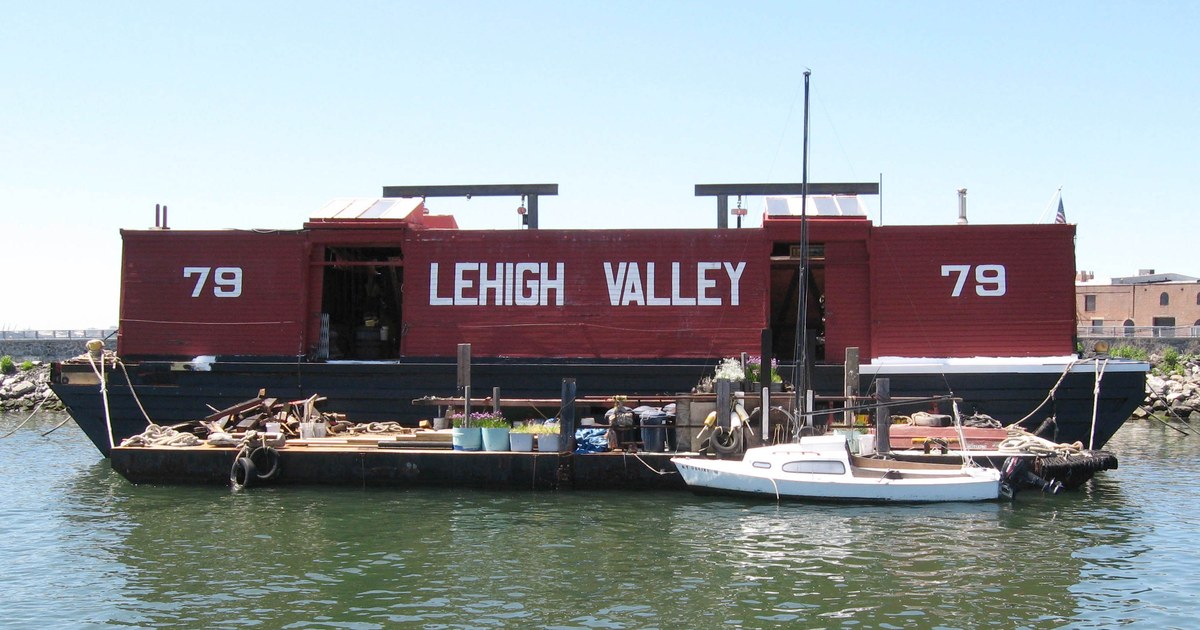
The Waterfront Museum. This museum floats on the Lehigh Valley Railroad barge No. 79, the red boat in our photo. The barge once ferried freight cars across the harbor. The museum collects objects from the lighterage era, when barges moved cargo between ships and rail yards. The museum says that era ran from 1860 to 1986. Check the museum’s visit page for current hours before you go. The museum site was live and listed public visits when we checked in November 2026.
Columbia Street. Walk the Columbia Street waterfront district. You will pass the old Italian blocks. Look at the church fronts, the rowhouses and the corner buildings. Ask yourself where a dockworker would have bought his bread.
The shoreline views. Red Hook has a clear view of the Statue of Liberty. Ships once sailed straight past her on the way in. Stand at the water’s edge and think about the sailors who saw her first from the deck.
Erie Basin and the piers. Many working piers still line the shore. You can see the cranes and the old warehouse walls from the street. Stay on public paths and respect the working areas.
Make a full day of it. Pair Red Hook with the nearby heights. Our Brooklyn Heights visitor guide covers the promenade. You can also walk the Brooklyn Bridge on the same trip.
How to Trace a Red Hook Ancestor
Start with what your family knows. Write down names, dates and places. Then follow these steps. Our full guide to tracing New York City ancestry has more detail.
Step 1: Find the arrival record. Search for your ancestor’s passenger record. The Statue of Liberty-Ellis Island Foundation offers a free search. Earlier arrivals may appear in Castle Garden records instead.
Step 2: Check the census. Look for your family in the census for Brooklyn. Note the street, the job and the neighbors. A job such as longshoreman, stevedore or sailor points straight to the docks.
Step 3: Find the church. Immigrant families often kept their records through their church. Look for baptisms, marriages and burials near the address you found.
Step 4: Ask the old-timers. Brooklyn families have long memories. Ask older relatives about nicknames, bars, clubs and ship names. One small detail can unlock a record.
Step 5: Walk the street. Visit the address if you can. Stand where your family stood. Take photographs of the buildings, the corner and the water.
Ready to explore the New York your ancestors knew? Subscribe to Love New York: free weekly stories, heritage guides, and hidden history. Join us →
Frequently Asked Questions
Where does the name Red Hook come from?
The name comes from the Dutch Roode Hoek. It means “red point,” after the red clay soil and the point of land. Dutch settlers gave the place that name in 1636.
Which immigrant groups settled in Red Hook?
Italians settled around Columbia Street. African American workers from the South arrived from the 1890s. Irish workers, other Europeans and, from the 1920s, many Norwegian sailors also made homes here.
Can I visit Red Hook’s maritime history today?
Yes. The Waterfront Museum sits on a historic railroad barge at Pier 44. Check its official visit page for current hours. You can also walk the waterfront and Columbia Street on your own.
How do I find out if my ancestor worked on the Brooklyn docks?
Check census records for jobs such as longshoreman, stevedore or sailor. Then match the address to Red Hook streets. Church and passenger records can confirm the story.
How do I get to Red Hook?
Red Hook has no subway station in the neighborhood. Many visitors take a subway to nearby Carroll Gardens or Downtown Brooklyn and then walk or take a local bus. Check the MTA trip planner for your route.
Red Hook rewards slow visitors. The docks are quieter now, but the water, the basins and the streets still tell the story. Follow your family name there and see what you find.
