
The Upper East Side New York City is unlike almost anywhere else in Manhattan. Tree-lined streets. Pre-war apartment houses and townhouses. World-class museums lined up along a single avenue. If you want to see New York at its most elegant, and some of its greatest cultural treasures, this is the neighborhood to explore.
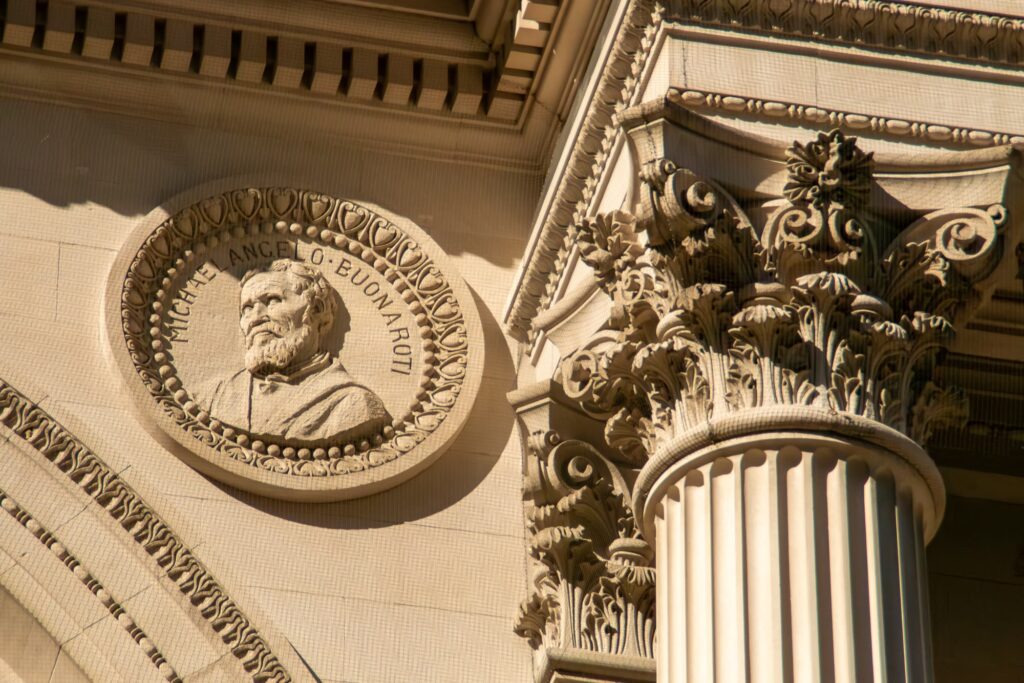
This guide covers what we think you need to know: the best museums, where to eat, how to get there, and what makes this neighborhood so different from the rest of the city. Whether you have a full day or just a few hours, the Upper East Side repays every minute.
Where exactly is the Upper East Side?
The Upper East Side sits on the eastern side of Central Park in Manhattan. It runs from 59th Street in the south to 96th Street in the north. Central Park forms its western boundary and the East River edges it to the east.
The neighborhood is large enough to have distinct sub-areas. Lenox Hill covers the southern section, roughly from 59th Street into the 70s: commercial, busy and close to Bloomingdale’s. Carnegie Hill occupies the quieter northwestern corner, roughly between 86th and 96th Streets, with some of the most beautiful residential streets in the city. Yorkville fills the eastern portion: historically German and Hungarian, now a mix of long-time locals and younger newcomers.
Fifth Avenue forms the western spine of the neighborhood, where Museum Mile runs. Madison Avenue, one block east, is home to world-famous luxury shopping. Lexington Avenue, further east, is the neighborhood’s commercial backbone. Two subway lines serve the area: the 4, 5 and 6 trains under Lexington Avenue, and the Q train on the Second Avenue Subway (opened in 2017), with stations at 72nd, 86th and 96th Streets.
Museum Mile: The Main Reason to Come
Museum Mile is one of the greatest concentrations of cultural institutions anywhere in the world. It runs along Fifth Avenue from 82nd Street to about 105th Street, and packs more first-rate museums into a mile than most cities manage in total.
The Metropolitan Museum of Art
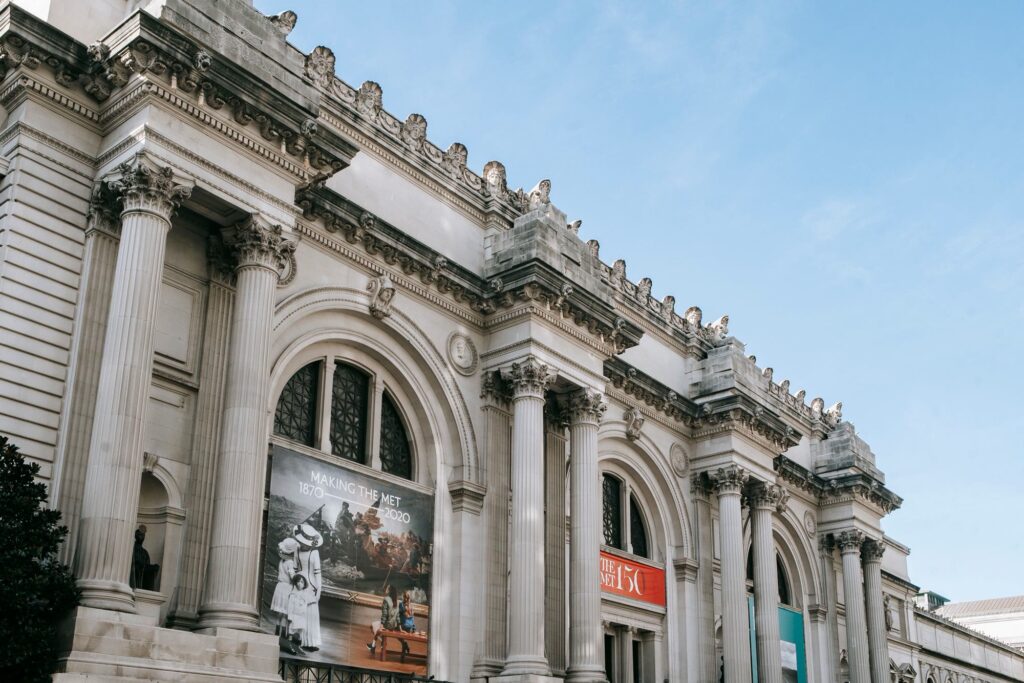
The Met sits at 1000 Fifth Avenue, at 82nd Street. It is one of the greatest museums on earth, full stop, with a collection spanning some five thousand years of art from around the world.
Give yourself at least two hours, and even that barely scratches the surface. The Egyptian Temple of Dendur draws big crowds, but the European paintings galleries, the Greek and Roman sculpture court and the Arms and Armor galleries are just as rewarding. In the warmer months, the rooftop garden opens with views over Central Park; the Met’s website lists its season.
Check the Met’s website for current tickets and hours before you go; New York State residents have their own admission policy there. If you only see one museum in the city, make it this one, and our guide to the best museums in New York City has tips for getting the most from your visit.
The Solomon R. Guggenheim Museum
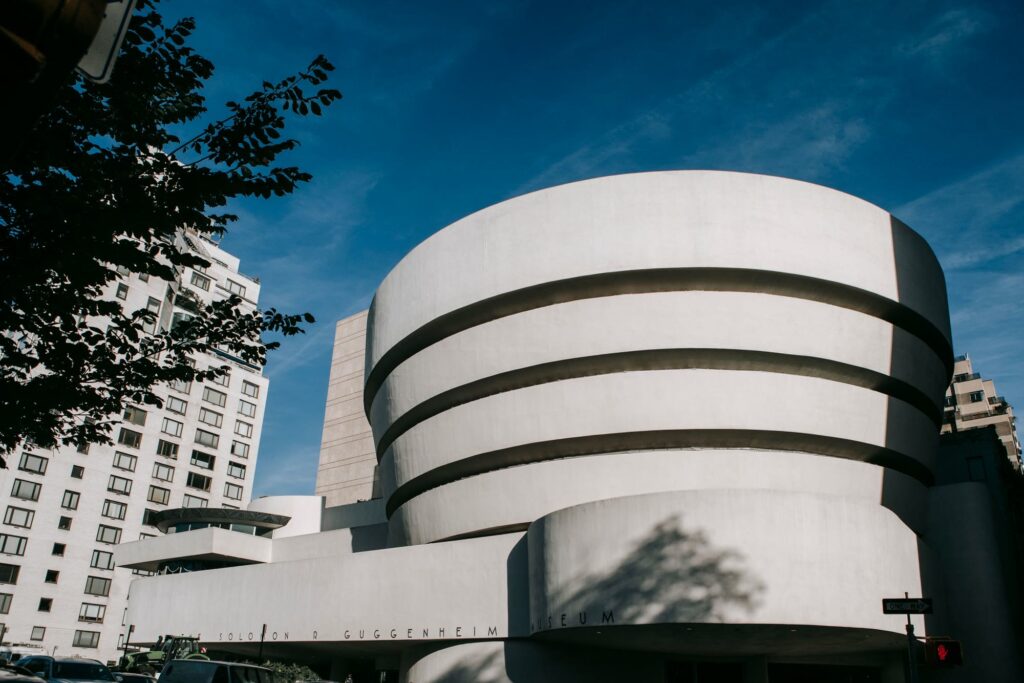
Frank Lloyd Wright designed the Guggenheim. The building alone is worth coming to see: a white spiral that rises from Fifth Avenue like a coiled shell, opened in 1959 and still one of the most striking buildings in New York.
The museum sits at 1071 Fifth Avenue, at 89th Street. Its collection focuses on modern and contemporary art, with particular depth in Kandinsky. The spiral ramp is part of the experience: many visitors take the elevator to the top and walk down through the galleries, which gives a completely different rhythm to viewing art.
More Museums Within Walking Distance
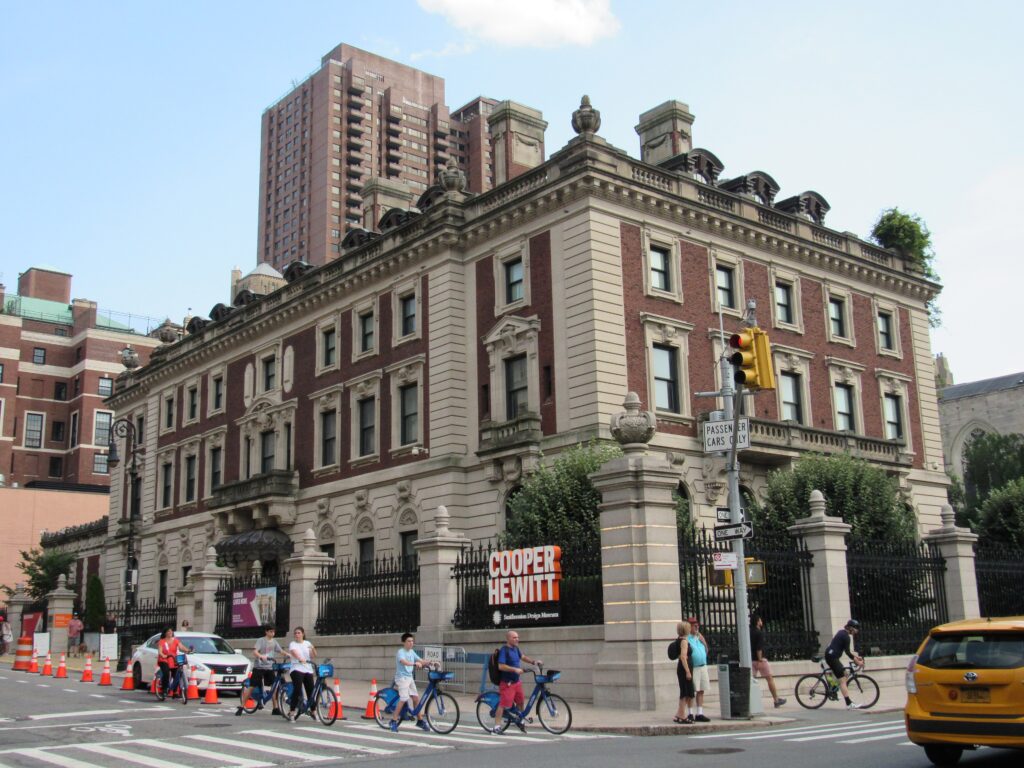
Museum Mile doesn’t end with the Met and the Guggenheim. Several other first-rate museums sit within easy walking distance:
- The Jewish Museum (1109 Fifth Avenue): Jewish art and culture across the centuries
- Cooper Hewitt, Smithsonian Design Museum (2 East 91st Street): a museum devoted to historic and contemporary design, housed in Andrew Carnegie’s mansion
- Museum of the City of New York (1220 Fifth Avenue): the story of New York from its beginnings to today, with permanent and changing exhibitions
- El Museo del Barrio (1230 Fifth Avenue): Puerto Rican, Caribbean and Latin American art at the northern end of Museum Mile
Admission policies differ from museum to museum and change over time, so check each museum’s website before visiting.
Enjoying This Guide?
Get weekly New York City travel inspiration, neighborhood favorites and local tips delivered free to your inbox.
Madison Avenue — Window Shopping at Its Finest
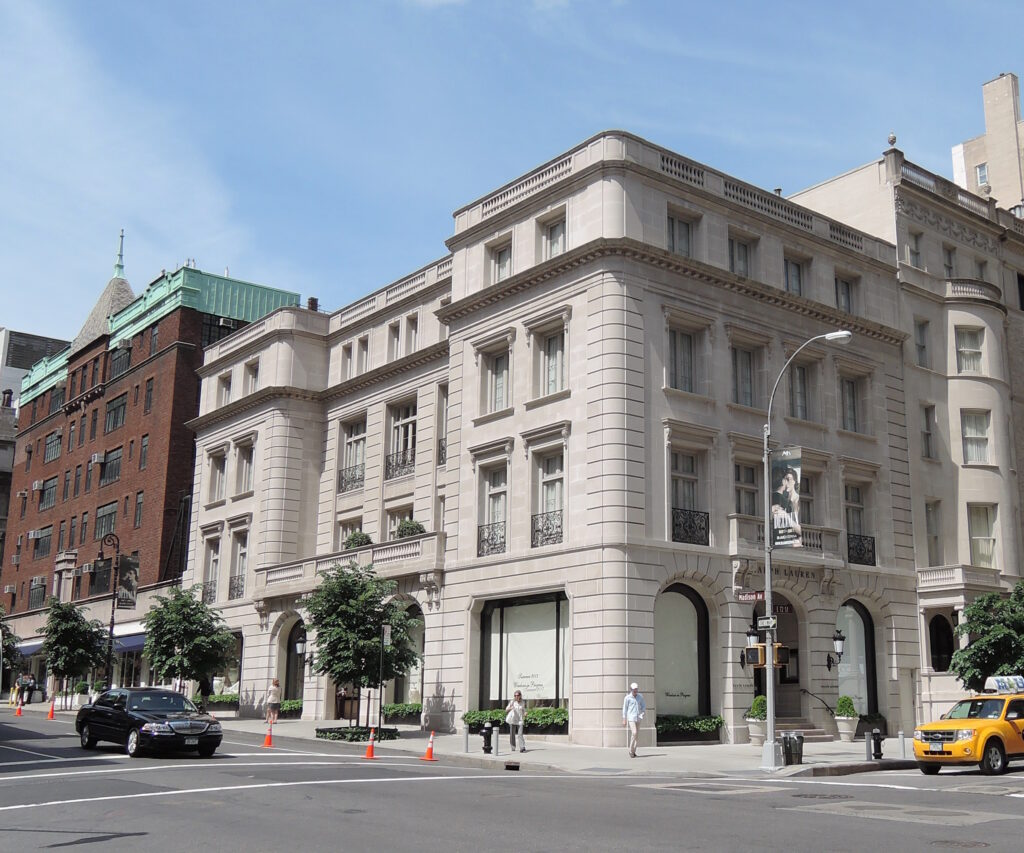
Madison Avenue runs parallel to Fifth Avenue, one block to the east. Through the Upper East Side, from the 60s into the 80s, it becomes one of the world’s great luxury shopping streets.
The names read like a map of global fashion, and the corner of 72nd Street is a good place to start: Ralph Lauren occupies the Rhinelander Mansion there, a Gilded Age building that feels more like a private club than a store. The Madison Avenue Business Improvement District’s website keeps an up-to-date directory of the shops.
You don’t need to spend a cent to enjoy Madison Avenue. Walking it slowly, looking at the window displays and the pre-war architecture above the storefronts, is one of the finest free experiences in New York.
For everyday shopping, Bloomingdale’s anchors the southern end of the neighborhood at Lexington Avenue and 59th Street. It has stood at that corner since 1886 and remains one of New York’s most beloved department stores.
Parks and Green Spaces
Central Park’s Eastern Side
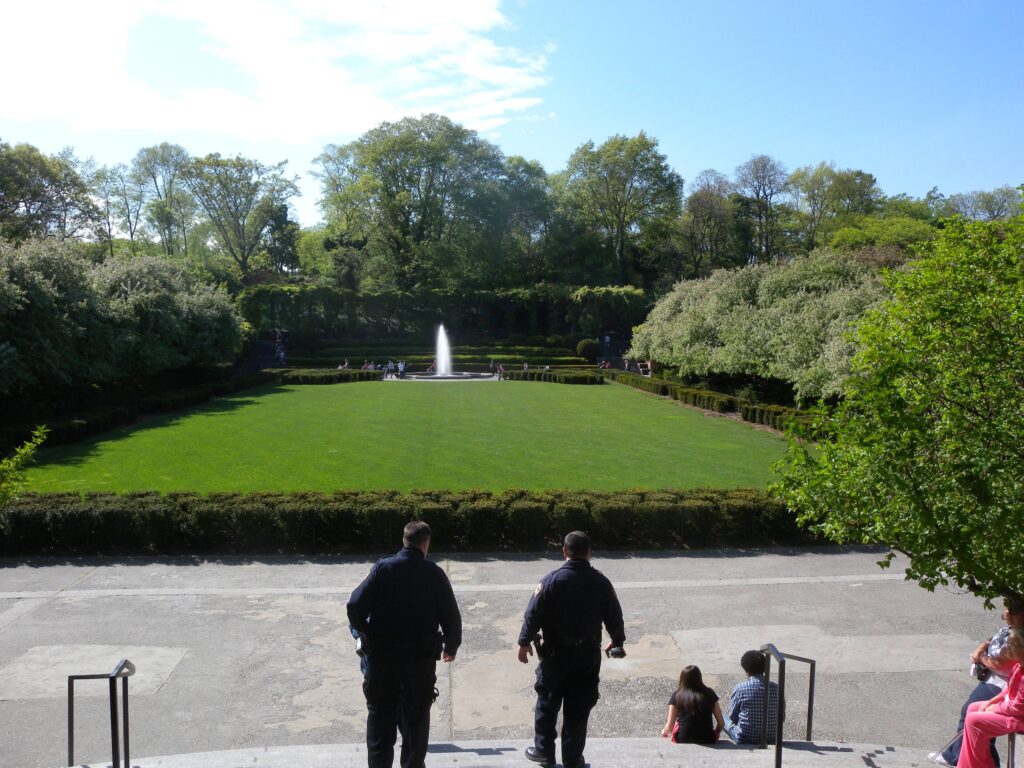
Central Park forms the entire western boundary of the Upper East Side. From any cross street between 59th and 96th, you can walk west and be inside the park within minutes.
Our favorite spot on the east side is the Conservatory Garden, at 105th Street and Fifth Avenue: six acres of formal Italian, French and English garden design, with fountains and a wisteria pergola that looks wonderful in spring. Our Central Park visitor guide covers the full range of things to see and do across the park.
Carl Schurz Park
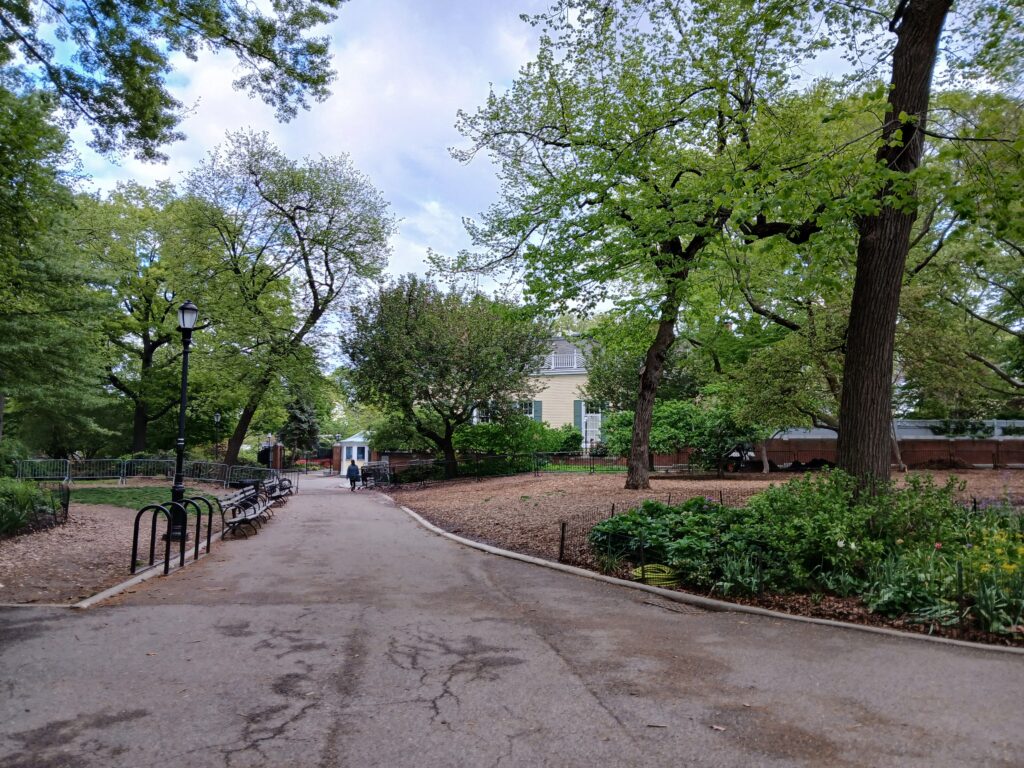
Carl Schurz Park is a favorite of locals that many visitors never find. It runs along the East River at East End Avenue, roughly between 84th and 90th Streets, with a raised promenade looking out over the water.
The park is home to Gracie Mansion, the official residence of the Mayor of New York City, a wooden country house built in 1799. Public tours are offered on some days; see the Gracie Mansion website for details and booking.
This is where the Upper East Side comes to walk dogs, push strollers and sit by the river. On a sunny afternoon, it feels far removed from the city’s pace, and it costs nothing to enter.
Where to Eat on the Upper East Side
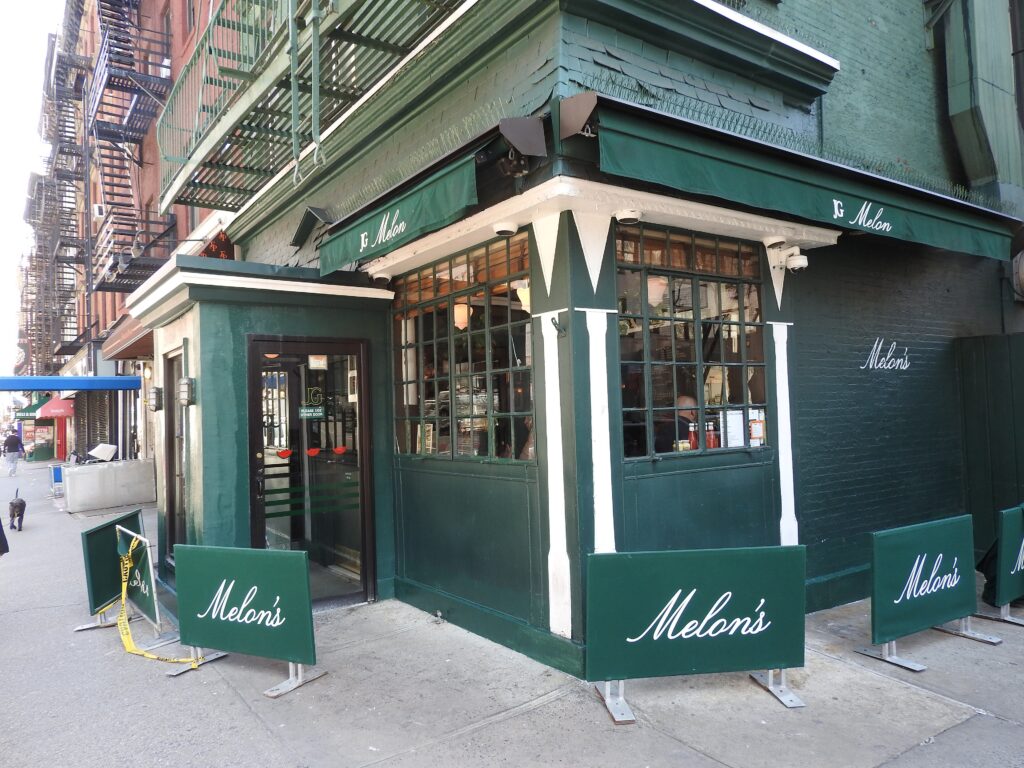
The Upper East Side has a strong neighborhood restaurant scene. These are the places where locals eat, and have eaten for decades.
J.G. Melon on Third Avenue at 74th Street has been serving burgers since 1972. The green corner front and dark wood interior haven’t changed much, and neither has the burger, which many New Yorkers rank among the best in Manhattan.
Sant Ambroeus on Madison Avenue is a Milanese café from a brand founded in Milan in 1936. Come for an espresso and a pastry at the counter, or stay for a plate of pasta.
Eli’s on Third Avenue at 80th Street is Eli Zabar’s gourmet food market, with fresh bread, cheese and prepared foods. It’s ideal for putting together a Central Park picnic.
Heidelberg at 1648 Second Avenue, at 86th Street, is a Yorkville institution and, by its own account, one of the oldest family-run German restaurants in the United States. The German community that once filled this part of the Upper East Side has shrunk, but Heidelberg carries on, with schnitzel and German beer.
For a broader picture of eating in New York, our New York City food guide covers the best options across every neighborhood and budget.
Getting to the Upper East Side New York City
Two subway lines serve the Upper East Side. The 6 local train runs under Lexington Avenue with stops at 59th, 68th, 77th, 86th and 96th Streets; the 4 and 5 express trains stop at 59th and 86th Streets. Further east, the Q train runs under Second Avenue with stations at 72nd, 86th and 96th Streets. The blocks along Fifth and Park Avenues are a walk of several avenues from the nearest station. See the MTA website for maps and service changes.
The M1, M2, M3 and M4 buses run north on Madison Avenue and south on Fifth Avenue, stopping a block or less from the museums. They are an easy way to reach Museum Mile from Midtown.
From Grand Central Terminal, take the 6 train three stops north to 68th Street–Hunter College, or the 4 or 5 express one stop to 59th Street or two stops to 86th Street. From Times Square, the Q train runs straight up to 72nd, 86th and 96th Streets on Second Avenue. From Brooklyn, the 4 and 5 trains run directly to Lexington Avenue without changing. Our complete New York transport guide covers subway maps, bus routes and getting between the boroughs.
Where to Stay on the Upper East Side
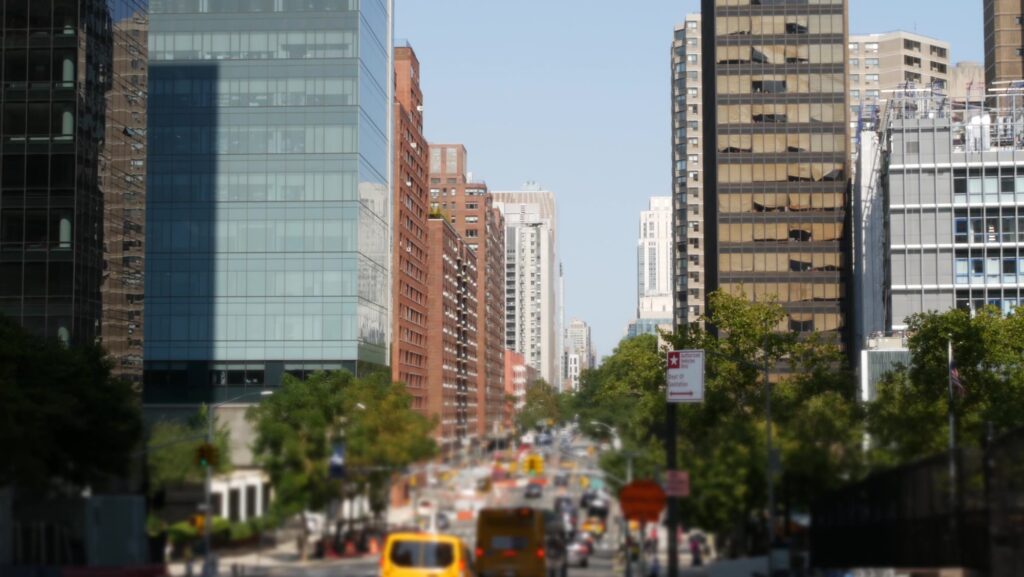
Staying on the Upper East Side puts you within easy walking distance of Central Park, Museum Mile and some of the city’s finest dining. The residential blocks are much quieter than Midtown, without the big tourist crowds.
Hotels here range from small boutique addresses near Madison Avenue to grand luxury properties close to the park. Prices are usually a little lower further east, near Second and Third Avenues, where the neighborhood has more local character. Our guide to where to stay in New York City covers the options across every budget and neighborhood.
A Suggested Half-Day Walk
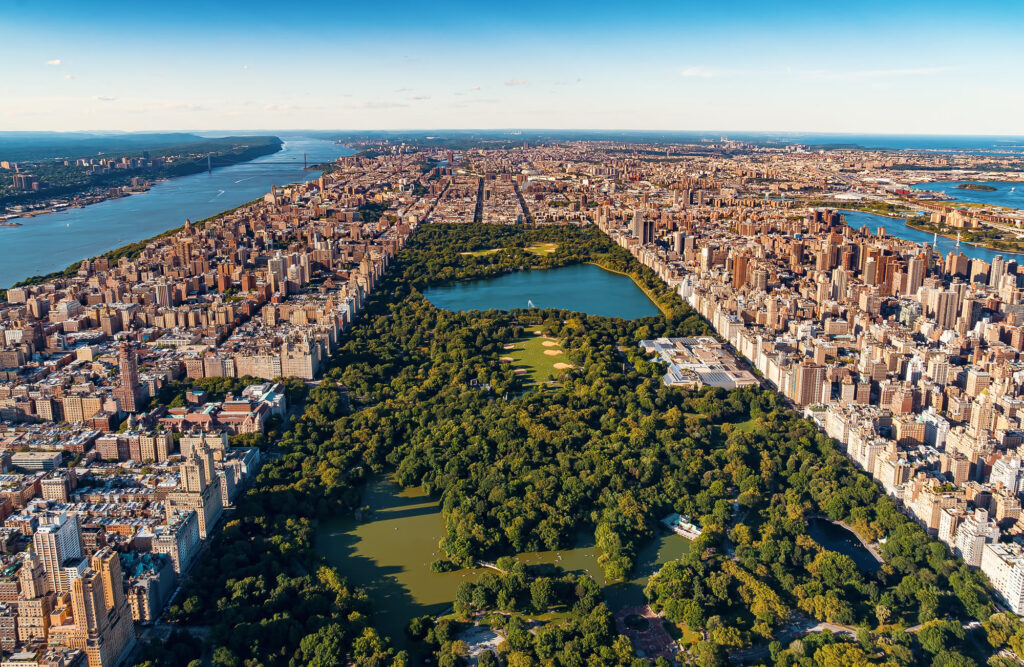
If you only have a few hours, here is a route that shows you the best of the Upper East Side without rushing.
Start at Bloomingdale’s at Lexington and 59th. Walk north along Madison Avenue, taking in the window displays. Turn west at 82nd Street and enter the Met; allow at least 90 minutes. When you leave, walk into Central Park and spend half an hour on the quieter paths near the east side.
Then return to the neighborhood, walk east along 86th Street, and pick up a coffee on Lexington. Walk further east to Carl Schurz Park and sit by the river for a few minutes before heading back.
The whole walk is about three miles. With museum time, most people need five to six hours. With a full day you can add the Guggenheim, a Madison Avenue lunch and the Conservatory Garden, but the route above shows you the neighborhood’s full character without rushing a single moment.
If you are planning a longer stay in the city, our three-day New York City itinerary builds in time for the Upper East Side alongside the rest of Manhattan and Brooklyn. And if you want to explore at no cost, our guide to free things to do in NYC covers the best zero-cost experiences in the area.
Frequently Asked Questions
What is the best time to visit the Upper East Side in New York City?
Spring (April to May) and fall (September to October) are the most pleasant times to visit. Central Park is lovely in both seasons, blossoming in spring and turning golden in fall. Summer is warm, and the museums are a cool escape. Winter is cold, and the neighborhood looks beautiful in snow.
Is the Upper East Side safe for tourists?
The Upper East Side is a largely residential, family-oriented neighborhood, and most visitors find it calm and easy to walk by day and into the evening. As anywhere in a big city, keep the usual awareness of your surroundings and belongings.
How do I get to Museum Mile from Midtown Manhattan?
The easiest route is the 4, 5 or 6 subway train from Grand Central Terminal (42nd Street) north to 86th Street on Lexington Avenue. Walk west along 86th Street to Fifth Avenue: the Guggenheim is a few blocks north and the Met a few blocks south. Alternatively, take the M1, M2, M3 or M4 bus north along Madison Avenue, which stops a block from the museums.
Join 1,000+ New York Lovers
Every week, get New York’s best neighborhoods, food stops and travel inspiration — the kind you won’t find in any guidebook.
Subscribe free — enter your email:
Free forever · One email per week · Unsubscribe anytime
