
Central Park gets tens of millions of visitors every year. Most of them see the same few spots — the Bethesda Fountain, Sheep Meadow, maybe a quick look at Strawberry Fields. But the park covers 843 acres, and hidden within it are places that even longtime New Yorkers have never set foot in.
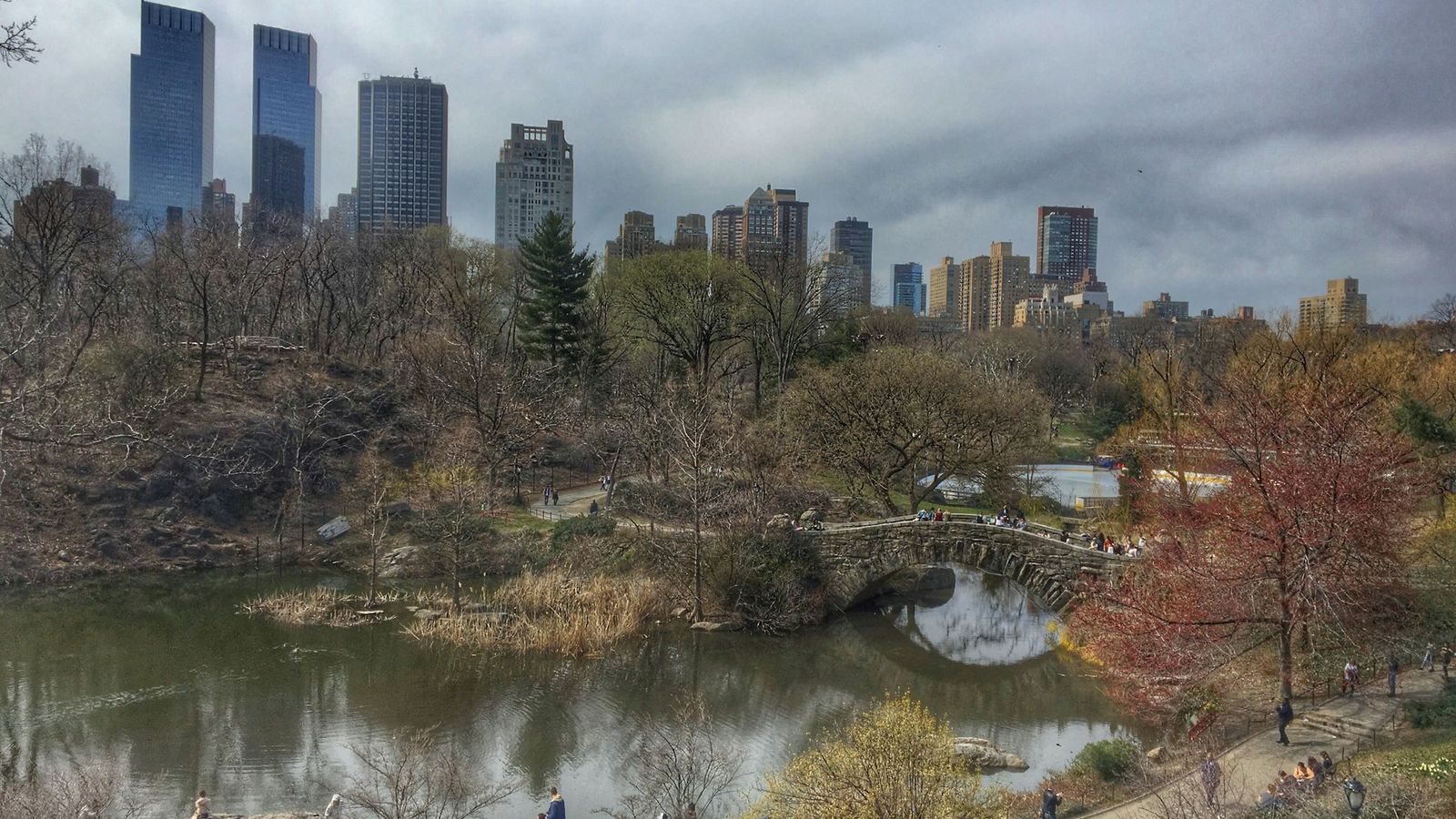
The Ramble: A Wild Forest in the Heart of Manhattan
Deep in the middle of the park, past the Boathouse and away from the main paths, the Ramble feels nothing like New York. It’s 36 acres of tangled woodland — deliberate chaos, designed to feel wild.
Frederick Law Olmsted and Calvert Vaux created it in the 1860s to mimic a natural forest. They planted native trees, carved winding trails, and let it grow into something untamed. Today, it’s one of the finest birdwatching spots on the entire East Coast.
During spring and fall migrations, over 200 species of birds pass through. Warblers, thrushes, hawks. Serious birders arrive at dawn with binoculars. Most tourists walk past the entrance without realizing what’s inside.
The Shakespeare Garden — Planted With His Own Words
On the western slope near 79th Street sits a garden that most Central Park maps barely mention. The Shakespeare Garden was established in 1916 to honor the playwright’s 300th anniversary.
Every plant here comes from his works. Rosemary from Hamlet. Pansies from A Midsummer Night’s Dream. Rue from Ophelia’s mad scene. There are roughly 80 species in total, each tied to a line of verse.
It’s quiet, a little overgrown in the best possible way, and almost always empty. The stone paths wind without urgency. It feels like a secret garden tucked inside a secret city.
The Oldest Structure in the Park — and Almost Nobody Knows It
Built in 1814, the Blockhouse predates Central Park itself by decades. It was constructed during the War of 1812, when New York feared a British invasion from the north. Soldiers manned the ramparts. The attack never came.
The Blockhouse survived. The park was eventually built around it. Today it sits in the North Woods, at the top of a rocky hill, obscured by trees. There are no signs pointing to it. The trail is unmarked.
Finding it feels like discovering something real. In a city this known, that feeling is rare — and worth the climb.
Enjoying this? Join New York lovers getting stories like this every week. Subscribe free →
Hallett Nature Sanctuary: The Island Closed for 82 Years
At the southeast corner of the park, jutting into The Pond near 59th Street, is a small wooded peninsula. The Hallett Nature Sanctuary was closed to the public from 1934 to 2016.
For 82 years, it was left entirely alone. No maintenance. No visitors. Just birds, turtles, and whatever the city’s nature wanted to become without human interference.
It reopened in 2016 — but only on limited days, in small groups, with a ranger. The ecosystem has recovered in remarkable ways. Herons nest on the rocks. The woodland canopy is dense and cathedral-like. It feels nothing like what’s outside the fence line.
Strawberry Fields — Beyond the Famous Mosaic
Most people who visit Strawberry Fields take a photo of the “Imagine” mosaic and leave. But the section stretches nearly an acre along the western side of the park, and the mosaic is only the beginning.
The mosaic itself was a gift from Naples, Italy, installed in 1985. The garden surrounding it was planted with species from over 120 countries — a living memorial to John Lennon. The trees arch overhead. Benches sit further back from the path, where it’s quiet enough to hear the birds.
The Strawberry Fields memorial sits directly across from The Dakota, the apartment building where Lennon lived. On any given morning, musicians play there. Often spontaneously. Often beautifully. Slow down and you’ll hear it.
If you’re looking for more of New York’s free and unexpected experiences, the Free Things to Do in NYC guide is a good place to start planning your time in the city.
Frequently Asked Questions
What is the best time to visit Central Park’s hidden spots?
Early morning — between 7am and 9am — gives you the quietest experience. Weekday mornings are best for the Ramble and Shakespeare Garden, before crowds arrive. Spring and fall bring spectacular bird migrations to the Ramble.
Is the Hallett Nature Sanctuary free to visit?
Yes, entry is free. However, access is limited to specific open days with ranger-guided visits. Check the Central Park Conservancy website for current schedules before you go, as hours vary by season.
Where exactly is the Blockhouse in Central Park?
The Blockhouse sits in the North Woods section of Central Park, near 110th Street on the west side. It’s a short but steep hike up a rocky hillside — look for it above The Pool. No signs mark the way, which is part of the charm.
Can you visit the Ramble without a guide?
Absolutely. The Ramble is freely accessible year-round with no guide required. Pick up a park map at the nearest information kiosk since the trails can be disorienting — that’s also part of why it feels like a true escape from the city.
Central Park isn’t one place. It’s dozens — layered on top of each other, waiting to be found. The more you slow down, the more it gives back. A city this busy rarely rewards patience. Here, it always does.
You Might Also Enjoy
- Free Things to Do in NYC: The Complete Guide — Central Park is just the beginning of what this city offers for free
- The Ghostly Subway Station Under City Hall That New York Sealed Off and Forgot — another hidden layer of the city’s history
- The Bronx Street That Kept Old Italy Alive While Manhattan’s Little Italy Faded Away — a neighborhood still worth exploring
Plan Your New York Trip
The Free Things to Do in NYC guide covers everything from free park events to the city’s best no-cost experiences — the ideal starting point for planning your visit to New York.
Join 1,100+ New York Lovers
Every weekday morning, get New York’s hidden gems, neighbourhood stories, food origins, and city secrets — straight to your inbox.
Subscribe free — enter your email:
📲 Know someone who’d love this? Share on WhatsApp →
Love more? Join 65,000 Ireland lovers → · Join 43,000 Scotland lovers →
Free forever · Unsubscribe anytime

Subscribe Free