
Manhattan’s Little Italy has shrunk to a handful of tourist-facing blocks on Mulberry Street. But if you know where to look — a 45-minute subway ride north, in a neighborhood most visitors never reach — Italian New York is alive, unchanged, and making fresh pasta the same way it did a century ago.
How One Bronx Block Became a Living Museum of Italian America
In the early 1900s, thousands of Italian immigrants settled in the Belmont neighborhood of the Bronx. They came from Calabria, Sicily, and Naples, and they built something that looked like home. Butcher shops hung with whole animals. Pasta makers with flour-dusted hands. Pork stores filled with the sharp scent of cured meats and aged cheese.
Manhattan’s Little Italy was once just like this — a dense, working-class immigrant world spread across 40 city blocks. As the 20th century moved on, Chinatown expanded, rents climbed, and the Italian community scattered. What’s left on Mulberry Street today is largely a backdrop for tourist restaurants.
In the Belmont neighborhood of the Bronx, that story played out differently.
The Street That Still Smells Like Italy
Arthur Avenue is the beating heart of this Italian enclave — a few blocks long, lined with shops that have been in the same families for three and four generations.
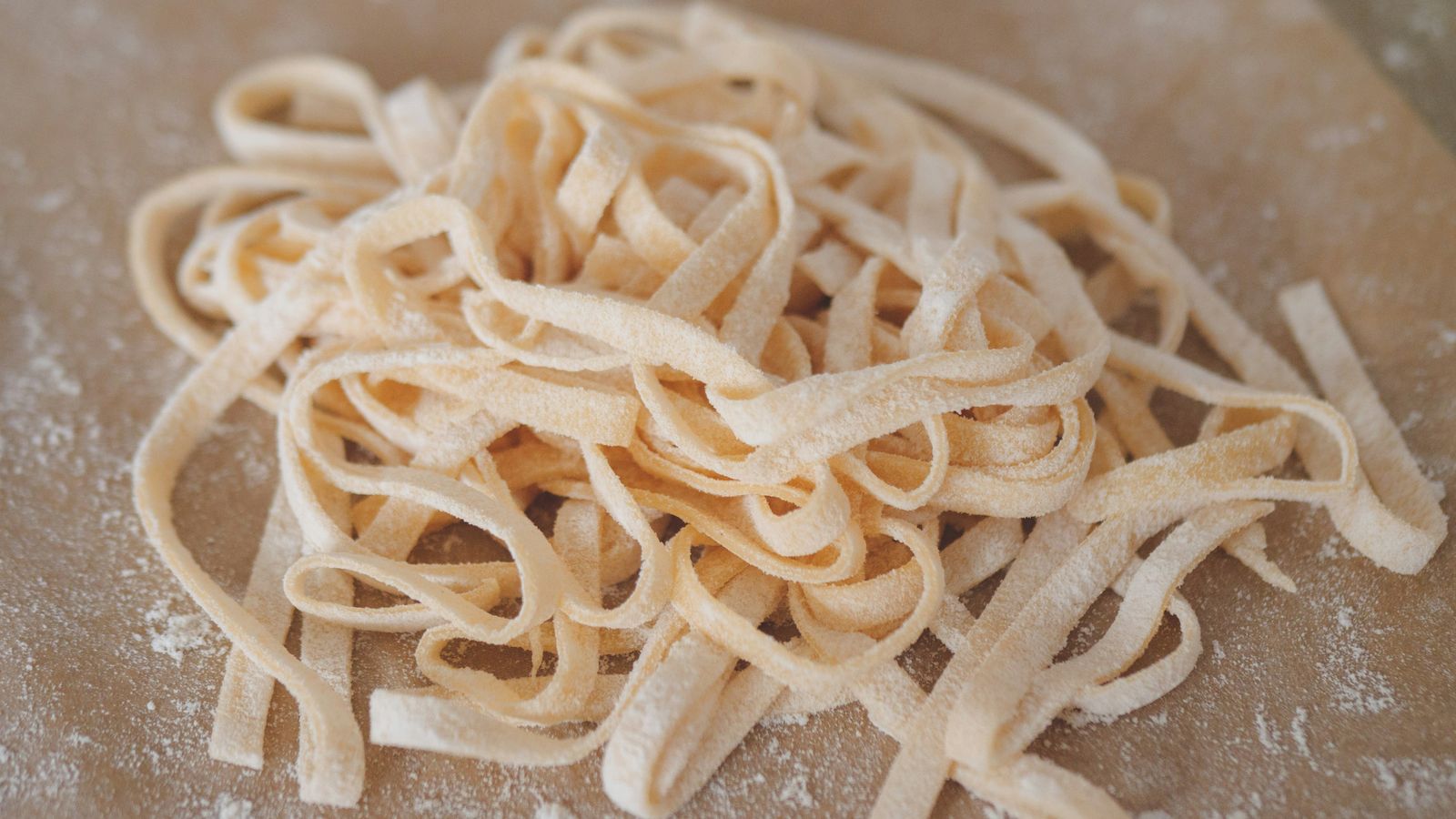
At Borgatti’s Pasta, they have been rolling fresh pasta since 1935. The same family, the same recipes, the same dough. You can watch them work through the shop window on a Saturday morning — it is one of the few genuinely timeless scenes left in New York City.
Down the block, Biancardi’s Meats has been operating since 1932. The shop is the kind of place that butchers dream of working in — whole animals, fresh cuts, a team that knows the names of its regulars. Nearby, Calabria Pork Store suspends dozens of cured sausages from the ceiling — the sight alone stops people on the pavement.
These are not heritage projects or curated experiences. They are family businesses that survived because the neighborhood held together when so many others didn’t.
The Indoor Market That LaGuardia Built
In 1940, Mayor Fiorello LaGuardia — himself the son of an Italian immigrant — moved the Arthur Avenue street vendors into a covered market hall to protect them from the weather and from city pressure to clear the sidewalks. The Arthur Avenue Retail Market that resulted is still there, still operating the same way, a covered hall of stalls selling fresh vegetables, imported cheese, house-made sauces, baked goods, and fish caught that morning.
It feels like a European market hall dropped into the middle of the Bronx. On a busy Saturday, you’ll hear Italian spoken between stalls — sometimes mixed with English, sometimes not. The smell of fresh bread and espresso fills the air from the moment you walk in.
This neighborhood is a natural pair with the remarkable story of how the Bronx rebuilt itself — Arthur Avenue was one of the anchors that never let go.
Enjoying this? Join New York lovers getting stories like this every week. Subscribe free →
Where to Eat on Arthur Avenue
Mario’s Restaurant opened in 1919 and is still run by the same family. The red sauce is the kind that makes you quietly reconsider every other red sauce you’ve had. It is a sit-down experience, unhurried and generous, the way Italian Sunday lunch is supposed to feel.
Mike’s Deli, tucked inside the Retail Market, is famous for towering Italian heroes — loaded with imported meats, fresh mozzarella, and roasted peppers. There’s usually a line. It moves quickly, and it is always worth the wait.
For anyone who wants to explore the street’s full range of flavors in one visit, an Arthur Avenue food tour from Viator covers all the key stops with a local guide who knows the stories behind each shop.
Why This Neighborhood Endured When Others Didn’t
What kept Arthur Avenue from fading — or turning into a theme park version of itself — comes down to one simple thing: the community stayed.
Unlike Manhattan’s Little Italy, the Belmont neighborhood remained predominantly Italian-American across generations. The children and grandchildren of the original immigrants took over the shops, kept the prices honest, and kept the food real. There was no moment when it became more profitable to sell to tourists than to neighbors.
It also helped that the Bronx was slightly off the path that development followed through most of the 20th century. The isolation that once felt like a disadvantage became, over time, the very thing that preserved the neighborhood’s soul.
Today, chefs from some of Manhattan’s best restaurants make the trip up to source ingredients here. The New York Times has called it the real Little Italy. Food writers who have been coming for decades say it has barely changed — and they mean that as the highest possible compliment. The contrast with Manhattan’s Little Italy could not be more striking.
How to Plan Your Visit to Arthur Avenue
Getting there from Midtown Manhattan is simple. Take the B or D subway to Fordham Road and walk east for about 15 minutes, or take the Metro-North train from Grand Central to Fordham Station — a scenic 20-minute ride that feels like escaping the city without actually leaving it.
Saturday morning is the best time to visit. The market is at its fullest, the shops are open early, and the neighborhood is alive with locals doing their weekly shop alongside visitors who’ve made the pilgrimage for the food.
Allow a minimum of two to three hours — this is not a place to rush. Come hungry. Leave with your arms full. The Bronx Zoo and New York Botanical Garden are both a short walk away, making Arthur Avenue a natural anchor for a full day in the borough.
Frequently Asked Questions About Arthur Avenue
What is Arthur Avenue in the Bronx known for?
Arthur Avenue is the center of New York City’s most authentic surviving Italian-American neighborhood. It is famous for family-run pasta shops, butcher shops, pork stores, and the Arthur Avenue Retail Market — an indoor food hall established in 1940 that operates much as it always has.
How do I get to Arthur Avenue from Manhattan?
Take the B or D subway train to Fordham Road in the Bronx and walk east about 15 minutes. Alternatively, Metro-North from Grand Central to Fordham Station takes around 20 minutes and puts you within easy walking distance of the neighborhood.
What should I eat on Arthur Avenue?
Fresh pasta from Borgatti’s, cured sausages from Calabria Pork Store, an Italian hero from Mike’s Deli inside the Retail Market, and a sit-down meal at Mario’s Restaurant — open since 1919 — are the must-tries. Come with an appetite and plan to shop as well as eat.
Is Arthur Avenue better than Little Italy in Manhattan?
Most people who make the comparison say yes. Manhattan’s Little Italy has become largely tourist-facing over the past few decades, while Arthur Avenue has remained a working neighborhood where the food, the shops, and the community are genuinely Italian-American rather than Italian-themed.
You Might Also Enjoy
- The Little Italy That Italian Immigrants Built — A Story of Survival and Pride in Manhattan
- America Once Declared the Bronx Dead. Here’s How It Came Roaring Back.
- The Street Where New York Pizza Was Born — and the Immigrant Who Changed American Food Forever
Plan Your New York Trip
Ready to explore beyond the usual tourist trail? Our 3-day New York City itinerary builds in time for neighborhoods like Arthur Avenue — the places that make the city feel real.
Join 1,100+ New York Lovers
Every weekday morning, get New York’s hidden gems, neighbourhood stories, food origins, and city secrets — straight to your inbox.
Subscribe free — enter your email:
📲 Know someone who’d love this? Share on WhatsApp →
Love more? Join 65,000 Ireland lovers → · Join 43,000 Scotland lovers →
Free forever · Unsubscribe anytime

Subscribe Free