
In 1980, the last freight train rolled down the West Side of Manhattan carrying a load of frozen turkeys. Nobody knew it at the time, but that unremarkable delivery would be the final chapter of one of New York’s most storied industrial railways. Within a decade, the tracks were rusting. Within two, city officials wanted them gone. What happened instead changed the way cities think about their forgotten spaces forever.
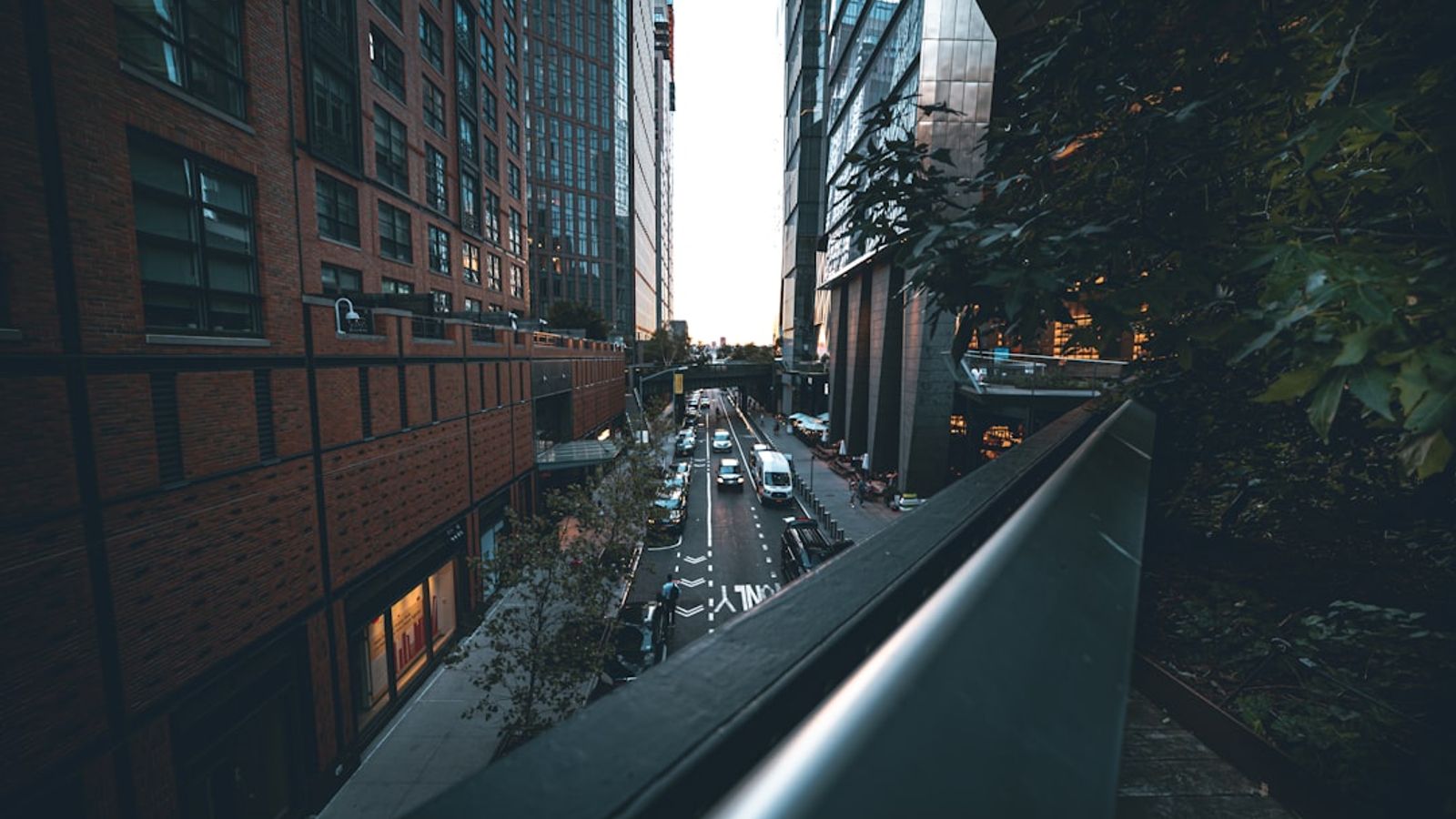
The Railroad That Refused to Die
The High Line — an elevated freight railway running 1.45 miles through Chelsea and the Meatpacking District — was built in the 1930s to solve a crisis. Before it existed, freight trains ran at street level along 10th Avenue, a stretch locals had nicknamed “Death Avenue” because of the constant accidents. The elevated line was meant to take that danger off the ground.
For decades, it worked. Refrigerated goods moved through the city 30 feet above street level. Trains ran directly into the upper floors of packing houses and factories along the West Side. Manhattan was still a working, industrial city, and the High Line was its backbone.
Then the interstate highway system arrived, and freight shifted to trucks. By the 1960s, the High Line was carrying far less. By 1980, almost nothing at all.
The City That Wanted to Tear It Down
When the tracks went silent, the demolition order came quickly. Property owners near the structure saw the rusting railway as an eyesore pulling down their land values. In the 1990s, Mayor Giuliani signed an order to tear it down.
Two men stopped it.
Joshua David and Robert Hammond were neighbours who barely knew each other. They met at a community board meeting about the High Line’s future in 1999. While everyone else in the room argued for demolition, they were the only two who thought it might become something extraordinary. They founded the Friends of the High Line, challenged the demolition order, and began raising money. It took a decade.
Mayor Bloomberg succeeded Giuliani and backed preservation. Chelsea’s art galleries started moving into the buildings below. The Meatpacking District transformed from an actual meat-processing industry into fashion and nightlife. The neighbourhood was changing — and the High Line was changing with it.
What the Tracks Looked Like Before
While the fight played out in city hall, something strange was happening on the abandoned tracks. Wild plants had seeded themselves into the gravel between the rails. Birch saplings, sumac, Queen Anne’s lace, and self-seeded grasses had turned the derelict structure into an accidental meadow in the sky.
Photographers who sneaked onto the tracks documented it. The images circulated and captivated people — this ghost landscape hovering over the city, blooming wild above the street noise. It became central to the argument for preservation. Here was something the city hadn’t planned, hadn’t paid for, hadn’t intended. It had simply happened.
When the landscape architects Diller Scofidio + Renfro and James Corner Field Operations were brought in to design the new park, their guiding principle was to preserve that wild, industrial quality. They wanted visitors to feel the history beneath their feet — the steel rails, the gravel bed, the ghost of the old freight line — not to forget it.
Enjoying this? Join New York lovers getting stories like this every week. Subscribe free →
The Park That Changed Urban Design
The High Line opened in June 2009. Almost immediately, it was a phenomenon. What had been a derelict structure became one of the most visited destinations in New York City — drawing more than eight million visitors a year at its peak. It sparked billions of dollars of development in the Hudson Yards neighbourhood to the north.
More importantly, it changed the way urban planners thought about industrial infrastructure everywhere. Chicago, Philadelphia, Seoul, Rotterdam — cities around the world began looking at their own abandoned railways and overpasses with new eyes. The High Line hadn’t just saved a railway. It had started a movement.
If you’re planning a trip and want to combine the High Line with other free things to do in New York City, the park fits naturally into a full day on the West Side — it costs nothing to enter and takes about an hour to walk end to end at a leisurely pace.
Walking It Today
The park runs from Gansevoort Street in the Meatpacking District north to 34th Street, alongside Hudson Yards. It’s entirely free, open year-round, and covers about 22 blocks of the West Side.
The southern section, near Gansevoort and Chelsea Market, is the most vibrant — art installations, food vendors, and long views over the river. Midway, the 10th Avenue Square offers stadium-style seating that juts out above the street, where you can watch the traffic below like a living tableau. Further north, the Sundeck section has wooden sun loungers and a shallow splash pool that fills in summer.
High Line tours let you go deeper — guides explain the horticultural choices, the industrial history, and the art installations in a way a solo walk rarely does. You can find High Line guided tours on Viator that combine the park with the surrounding Meatpacking District and Chelsea neighborhoods.
For architecture lovers, pair it with a walk past the distinctive water towers on New York’s rooftops — looking out from the High Line, you’ll see them all around you, a different kind of industrial relic that never left the skyline.
Frequently Asked Questions
Is the High Line free to visit in New York?
Yes, the High Line is entirely free to enter and open year-round. There’s no admission charge and no reservation required. The park runs from Gansevoort Street in the Meatpacking District to 34th Street, near Hudson Yards.
What is the best time to visit the High Line?
Weekday mornings are best for avoiding crowds — summer weekends can get extremely busy. For the wildflower planting at its most spectacular, visit in late May through July when the grasses and perennials are in full bloom.
How long does it take to walk the High Line from end to end?
A relaxed walk from Gansevoort Street to 34th Street takes about 30 to 45 minutes. Allow an hour or two if you plan to stop at the viewpoints, public art installations, and food vendors along the route.
Why was the High Line built, and when did it stop being used?
The High Line was built in the 1930s to move freight off the dangerous street-level tracks on 10th Avenue. It operated until 1980, when the last freight train — carrying frozen turkeys — completed its final run. The structure sat abandoned for nearly 30 years before being converted into a public park that opened in 2009.
New York has always been good at reinvention. But the High Line is something rarer: a reinvention that kept its memory. Walk it and you can still feel the old freight trains in the rhythm of the reclaimed rails, in the steel guardrails, in the way the path curves where the old tracks once curved. The city kept its ghost — and made it somewhere people come from all over the world to stand.
You Might Also Enjoy
- Free Things to Do in NYC: The Complete Guide for Visitors
- The Water Towers on Every New York Rooftop — and Why They’re Still There
- 3 Days in New York City: The Perfect Itinerary
Plan Your New York Trip
Ready to walk the High Line? Our 3-day New York City itinerary fits the High Line into a perfect West Side afternoon — paired with Chelsea Market, the Meatpacking District, and Hudson River views.
Join 1,100+ New York Lovers
Every weekday morning, get New York’s hidden gems, neighbourhood stories, food origins, and city secrets — straight to your inbox.
Subscribe free — enter your email:
📲 Know someone who’d love this? Share on WhatsApp →
Love more? Join 65,000 Ireland lovers → · Join 43,000 Scotland lovers →
Free forever · Unsubscribe anytime

Subscribe Free