
The Lower East Side looks small on a map. A few blocks hold more immigrant history than most cities can claim. You can walk the whole story in one afternoon, and you can eat well while you do it.
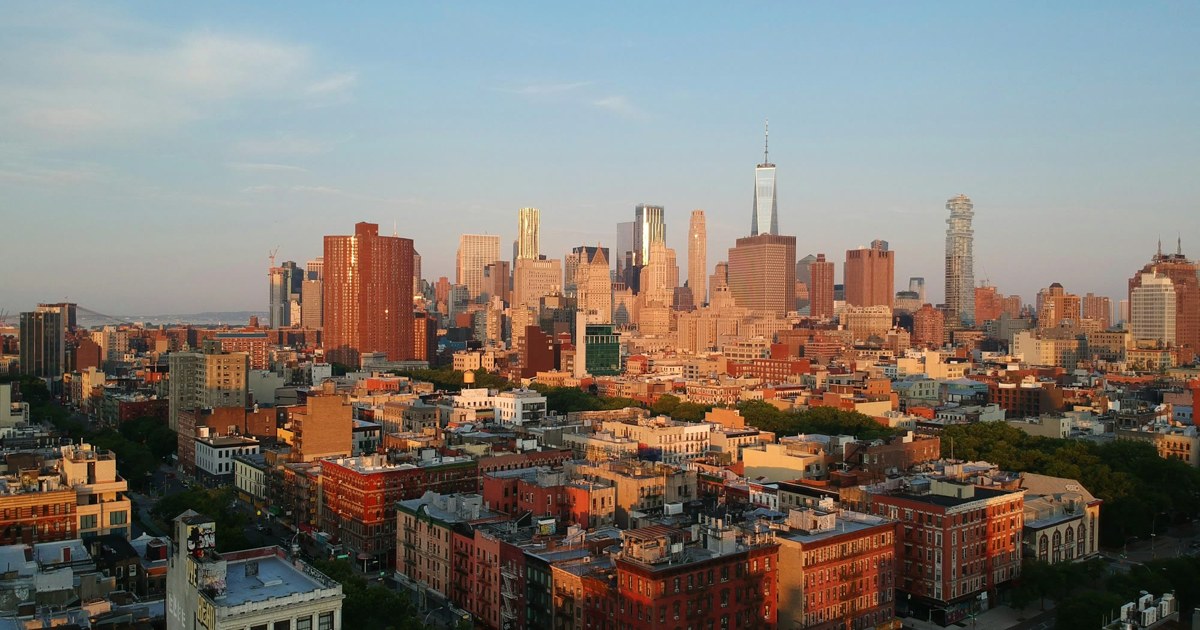
This heritage walk starts at a restored synagogue and ends at a counter that has sold smoked fish for generations. Along the way you will pass a market, a candy shop, and a knish bakery. Each stop shows how newcomers built a neighborhood from almost nothing.
If you love New York’s hidden stories, you’ll love our free weekly newsletter. Subscribe to Love New York →
Want the full backstory first? Read our guide to the Jewish immigrants who built the Lower East Side. This article turns that history into a route you can follow on foot.
How to Use This Lower East Side Heritage Walk
Walk south to north. Start near Canal Street and finish on East Houston Street. The route stays on flat sidewalks. Wear comfortable shoes and bring a bag for snacks.
Every stop below links to its official website. Check that site for current hours, prices, and any closures before you go. Small family businesses change their schedules, and museums close for events and repairs.
Look up as you walk. The old tenement fire escapes still zigzag across the brick. Those buildings once held whole families in two or three small rooms. Our article on a typical day in a tenement home shows what life inside looked like: New York in 1910: tenement life for immigrant families.
Stop 1: Museum at Eldridge Street (12 Eldridge Street)
Begin at the Eldridge Street Synagogue. Its congregation built it in 1887. The museum says the building is now a National Historic Landmark. That makes it one of the earliest great synagogues that Eastern European Jews built in America.
Stand across the street and study the front first. Then step inside if the museum is open. The sanctuary tells a story of ambition. Immigrant families who lived in cramped rooms raised money to build a grand house of worship.
Read about visiting on the Museum at Eldridge Street website. The site lists current opening days and notes any closed galleries. When we checked in November 2026, it listed renovation work in one gallery, so confirm before you go.
Best for: family history trips and architecture fans.
Stop 2: Essex Market (88 Essex Street)
Walk north toward Delancey Street and find Essex Market. Food shopping in this neighborhood once meant pushcarts. Peddlers crowded the streets and shouted prices in Yiddish, Italian, and other languages. City officials later moved many of those vendors into covered markets.
Today the market still feeds the neighborhood. Stalls sell groceries, spices, and prepared food. Wander the aisles and notice how many cuisines share one roof. That mix echoes the Lower East Side of a century ago, when many groups lived side by side.
The market runs its own official website with vendor information and events. Pick up lunch here or save your appetite for the last two stops.
Best for: a mid-walk snack and people-watching.
Stop 3: Economy Candy (108 Rivington Street)
Turn onto Rivington Street and look for the candy shop at number 108. Walls of jars and boxes fill the narrow store. Many visitors find sweets from their own childhoods here, which makes this stop a favorite with grandparents.
Candy mattered to immigrant families. A penny could buy a small treat. Children who worked in shops or sold papers after school spent their few coins on sweets. A candy store like this one gives you a taste of that everyday pleasure.
Browse the Economy Candy website for contact details and an online shop. If you trace your own roots, buy a favorite old-fashioned sweet and ask your relatives what they remember.
Best for: kids, nostalgia, and gifts to take home.
Want more stories like this? Our weekly newsletter goes deeper into New York’s heritage every week. It’s free. Subscribe here →
Stop 4: Yonah Schimmel Knish Bakery (137 East Houston Street)
Head up to East Houston Street. Here the walk becomes a meal. Yonah Schimmel Knish Bakery says it has been baking hand-rolled knishes since 1910. The bakery stands at 137 East Houston Street.
A knish is a baked pastry with a filling, often potato. Eastern European Jewish immigrants brought the recipe with them. It was cheap, filling, and easy to carry. Factory workers and pushcart sellers ate knishes because they fueled a long day.
Visit the Yonah Schimmel website to see the menu and the address. Order a knish and eat it standing up, as generations of New Yorkers did.
Best for: an old-world lunch.
Stop 5: Russ & Daughters (179 East Houston Street)
Finish a few doors east. Russ & Daughters says it has served bagels and lox since 1914. The shop calls itself an appetizing store. That word refers to smoked fish, spreads, and other foods that go with bagels.
The business says four generations of the Russ family have owned and run it. That kind of family continuity is rare in New York. It shows how an immigrant family could turn a small trade into a lasting name.
Check the Russ & Daughters website for hours and locations. The company lists its landmark shop at 179 East Houston Street. Take a number, order, and finish the walk with a bagel.
Best for: a classic finish and a story to tell back home.
Tracing Your Own Family on the Lower East Side
A walk is more meaningful when you know your family’s address. Many families lived on a single block for decades. Records can tell you the street, the building, and sometimes the neighbors. Start with our step-by-step guide to tracing your New York City ancestry.
Bring a printed list of old addresses on your walk. Stand in front of each building. Imagine your great-grandparents climbing those stairs after a long shift. That small moment often lands harder than any museum exhibit.
The neighborhood also borders Chinatown. Many families moved between the two over the years. Continue the story with our Chinatown heritage guide. For a wider list of things to see nearby, try our Lower East Side visitor guide.
Ready to explore the New York your ancestors knew? Subscribe to Love New York: free weekly stories, heritage guides, and hidden history. Join us →
Frequently Asked Questions
How long does a Lower East Side heritage walk take?
The route covers only a few blocks, so you can walk it quickly. Plan extra time for the museum visit and for eating at the last two stops.
What is the best way to trace Lower East Side ancestry?
Start with family documents and old addresses, then search public records. Our New York ancestry guide explains each step in order.
Can visitors still see Lower East Side tenements today?
Yes. Many original tenement buildings still line the streets around Orchard, Ludlow, and Eldridge. You can see their fire escapes and brick fronts from the sidewalk.
When did Eastern European Jewish immigrants settle on the Lower East Side?
Large numbers arrived in the decades around the turn of the twentieth century. The Eldridge Street Synagogue, built in 1887, comes from that era.
Found a family story along the way? Tell us by replying to any newsletter. Subscribe to Love New York for more walks like this one.
