
Most visitors to New York spend hours in Central Park and never cross the East River. But Frederick Law Olmsted — the man who designed Central Park — said something that has quietly embarrassed it ever since.
He said Prospect Park was better.
Brooklyn has always known this. The rest of the world is still catching up.
Why Olmsted Said Prospect Park Was His Real Masterpiece
Olmsted and his partner Calvert Vaux designed Central Park in 1858, then spent the next decade applying everything they had learned. Prospect Park, completed in the 1870s, was the result.
Central Park was hemmed in by Manhattan’s rigid street grid. Olmsted had to fight the city’s plans at every turn. In Prospect Park, he and Vaux had a freer hand.
The result, Olmsted later wrote, was the park where they finally got it right. He called the Long Meadow one of the finest open spaces in any American city. Most New Yorkers have barely heard of it.
The Long Meadow — Ninety Acres of Open Sky
Enter Prospect Park from the Grand Army Plaza entrance and you walk into something that stops you in your tracks. A meadow stretches out for nearly a mile — the longest unbroken open meadow in any urban park in the United States.
On summer weekends, it holds the whole of Brooklyn at once. Cricket matches on one end. Stickball near the middle. Dogs running free at the far side. Picnics scattered across the grass like a painting come to life.
Olmsted designed it this way deliberately. He wanted working-class families from Brooklyn’s crowded tenements to step into something that felt genuinely wild and open — a place where the city simply disappeared.
The Vale of Cashmere — Brooklyn’s Forgotten Garden
Tucked deep inside the park, down a path most visitors walk right past, lies a sunken garden that feels like it belongs in another century. The Vale of Cashmere is named after a poem by Thomas Moore, and it earns the romantic title.
Terraced stone paths descend into a hollow filled with birdcall and shade. There’s an old fountain at the center, now restored after years of neglect.
In spring, the Vale fills with migrating warblers. Birders who know about it treat it like a secret. Visit early on a weekday morning and you might have it almost entirely to yourself.
Enjoying this? Join New York lovers getting stories like this every week. Subscribe free →
The Ravine — New York City’s Only Old-Growth Forest
No one expects to find a forest in Brooklyn. Yet in the northeastern corner of Prospect Park, a dense woodland drops into a rocky ravine cut by a stream fed by the park’s own lake system.
The Ravine is the only remaining remnant of old-growth forest in all of New York City. Some of the trees here predate the park itself. Walking through it, with the canopy closing overhead and the city noise falling away, is disorienting in the best possible way.
The Ravine was badly damaged by Hurricane Sandy in 2012 but has since been carefully restored. It is now one of the park’s most rewarding walks — and one of the least visited.
The Hidden Landmarks Most Visitors Never Find
Prospect Park contains a private Quaker cemetery inside its boundaries — the only private burial ground enclosed within any New York City park. It has been there since before Olmsted arrived, and the cemetery association maintains the right to keep it going. You can see it through the trees near the Wellhouse, but you cannot go in.
The Litchfield Villa is another surprise. This ornate Italianate mansion was built in 1857 — before the park existed — and Olmsted designed the park around it. Today it houses park offices, but the exterior is one of the strangest and most beautiful buildings in Brooklyn.
Near the southern end, the Prospect Park Boathouse sits on the shore of Brooklyn’s only remaining natural lake. The building dates to 1905 and now houses the Audubon Center, where visitors can rent rowboats in summer and watch herons fish along the Lullwater.
Planning a full Brooklyn day? The Brooklyn Botanic Garden sits right on the park’s eastern border — you can walk between the two in minutes. And if you are still deciding which borough to base yourself in, our guide to Brooklyn vs Manhattan for visitors lays out both sides of the argument.
The Best Time to See Prospect Park Like a Local
Early spring transforms the park. Cherry blossoms line paths near the Botanical Garden entrance. The Long Meadow turns vivid green before the crowds arrive. Migrating birds funnel through the Ravine and the Vale of Cashmere in numbers that draw serious birders from across the city.
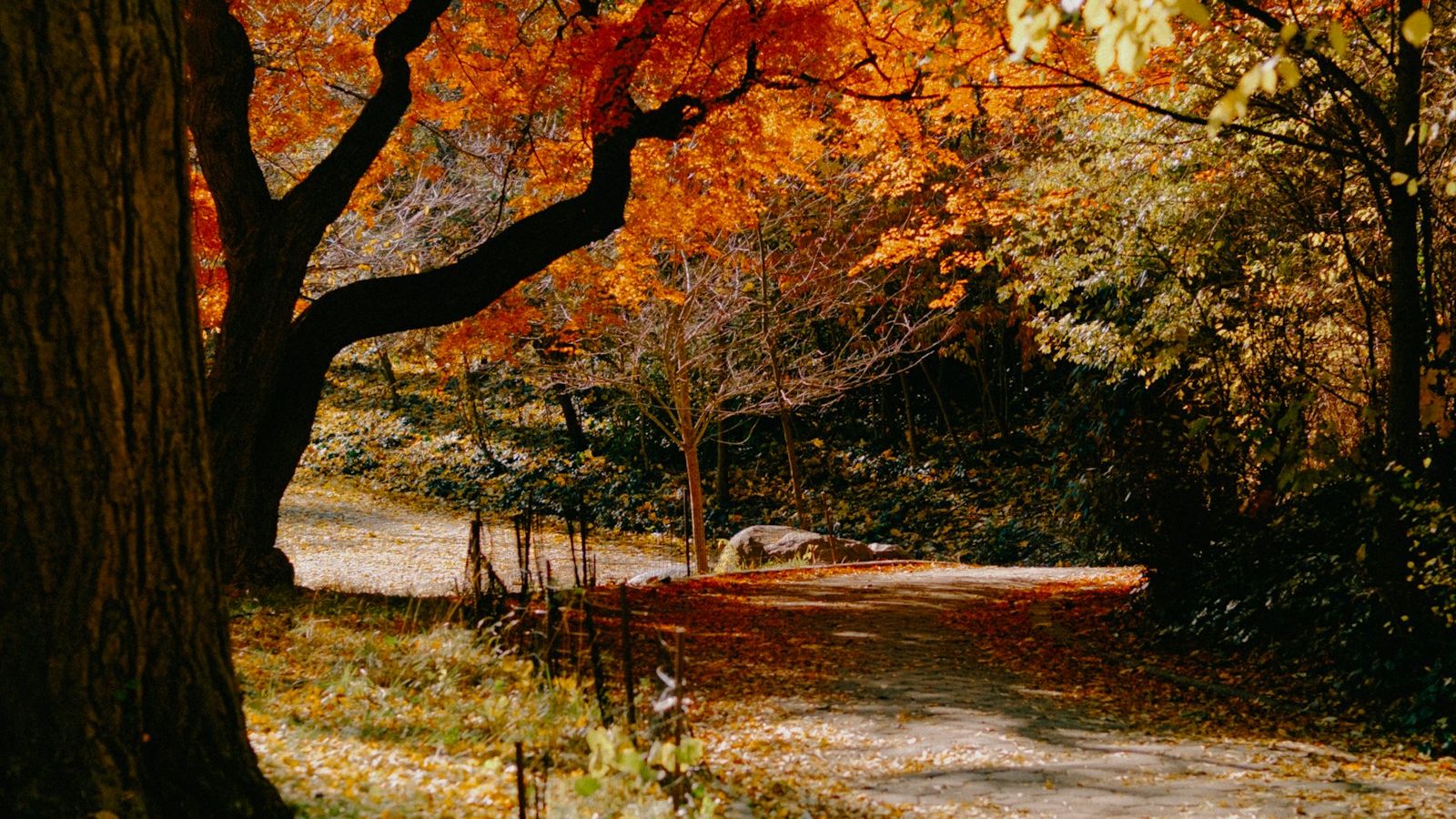
Fall is equally compelling. The canopy over the Ravine turns gold and rust, and the lake goes glassy in the cool mornings. Weekday visits in October reveal a park that feels, briefly, like it belongs to you alone.
Summer draws the biggest crowds, but the Long Meadow absorbs them easily. Free concerts and outdoor movies — part of the park’s long tradition of public programming — make July and August worth the heat.
Frequently Asked Questions About Prospect Park
What makes Prospect Park different from Central Park?
Prospect Park was designed by the same team — Frederick Law Olmsted and Calvert Vaux — but built a decade later, after they had learned from Central Park’s constraints. Olmsted considered it their finer work because it has a longer unbroken meadow, a more natural lake, and denser woodland. Central Park has more fame; Prospect Park has more soul.
What are the hidden spots in Prospect Park most visitors miss?
The Vale of Cashmere (a sunken garden deep inside the park), the Ravine (NYC’s only old-growth forest remnant), and the Litchfield Villa (an 1857 Italianate mansion that predates the park) are the three locations most visitors never find. The Quaker Cemetery, visible through the trees near the Wellhouse, is another quiet surprise.
When is the best time to visit Prospect Park in Brooklyn?
Spring (April to early May) brings cherry blossoms and peak bird migration through the Ravine and Vale of Cashmere. Fall (October) offers vivid foliage and smaller crowds. Weekday mornings in any season give you the park at its quietest and most beautiful.
Is Prospect Park free to visit?
Yes — Prospect Park is entirely free to enter and open every day of the year. Rowboat rentals at the Boathouse are available for a small fee in summer. The free concerts and events on the Long Meadow are open to everyone.
Brooklyn has been keeping this park to itself for a long time. Not loudly — that would be very un-Brooklyn. Just quietly, the way you protect something you do not want ruined.
The New Yorkers who know Prospect Park best have their favorite bench by the Lullwater, their preferred path through the Ravine, their exact spot on the Long Meadow where the light is right in the late afternoon. They do not always share these things freely.
That is how you know Olmsted got it right.
You Might Also Enjoy
- Brooklyn Botanic Garden Guide — right next door to Prospect Park
- The Fascinating History of Coney Island, Brooklyn
- Brooklyn vs Manhattan — which side of the river suits you?
Plan Your New York Trip
Prospect Park is in the Park Slope and Flatbush neighborhoods of Brooklyn, easily reached by subway on the 2, 3, F, or Q trains. For everything you need to plan a great New York visit, our month-by-month guide to visiting New York covers timing, neighborhoods, and what not to miss.
Join 1,100+ New York Lovers
Every weekday morning, get New York’s hidden gems, neighbourhood stories, food origins, and city secrets — straight to your inbox.
Subscribe free — enter your email:
📲 Know someone who’d love this? Share on WhatsApp →
Love more? Join 65,000 Ireland lovers → · Join 43,000 Scotland lovers →
Free forever · · Unsubscribe anytime

Subscribe Free