
Stand on Alexander Avenue in Mott Haven and look at the brownstones. Doctors lived in these houses in the 1890s. Irish families filled the blocks around them. Within two generations, Puerto Rican families arrived and made the neighborhood theirs. Both groups left marks you can still find on the street.
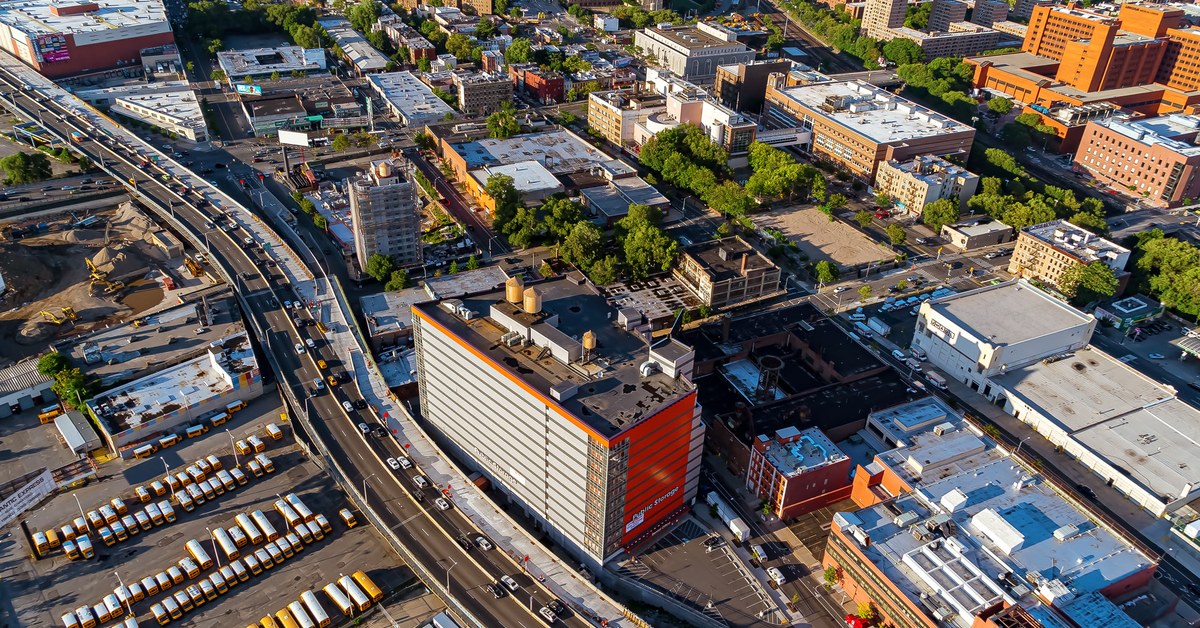
This is the story of the South Bronx before its famous nicknames. It is a story of Irish workers, Puerto Rican newcomers, and a church, a settlement house and a museum that still serve the community. If your family came through the Bronx, one of its streets may hold your history.
If you love New York’s hidden stories, you’ll love our free weekly newsletter. Subscribe to Love New York →
Mott Haven: The Irish South Bronx
Mott Haven sits at the southern tip of the Bronx. It faces the Harlem River and Manhattan beyond it. For decades, two groups divided it. German-Americans lived north of East 145th Street. Irish-Americans lived south of it. Wikipedia’s Mott Haven entry describes this mix as lasting from the late 19th century through the 1940s.
Irish families had deep roots here. Many came after the Famine years and found work in the city. If you want to see where Irish New Yorkers first settled, read our story of Five Points and the Irish in Lower Manhattan. Many families moved north from those crowded blocks as the city grew. Mott Haven offered brick homes and steady work close to the river.
By the 1890s, Alexander Avenue had grown into a street of fine brownstones. People called it Doctors’ Row. Some called it the Irish Fifth Avenue. That nickname tells you something. Irish families were building comfortable lives here, not just surviving.
The Mott Haven Historic District protects that street today. It runs along Alexander Avenue between East 138th and East 141st Streets. The National Register of Historic Places listed it in 1980. You can walk it in ten minutes. Saint Jerome’s Roman Catholic Church stands inside the district at East 138th Street. Generations of Irish parishioners worshipped there. The old Irish parade route led to its doors.
Want more stories like this? Our weekly newsletter goes deeper into New York’s heritage every week. It’s free. Subscribe here →
The Puerto Rican Arrival
Puerto Ricans are US citizens. They did not need visas to move to New York. After World War II, thousands came north. The Museum of the City of New York marks 1946 on its South Bronx timeline. That year, it says, postwar migration to the city by Puerto Ricans and African Americans from the South increases.
The first Puerto Rican settlements in Mott Haven came in the late 1940s. They ran along the length of Brook Avenue. Families rented apartments and opened small shops and grocery stores called bodegas. They brought food, music and church traditions from the island.
The change came fast. The same Wikipedia entry on the wider South Bronx says the area was two-thirds non-Hispanic white in 1950. By 1960 it was two-thirds Black or Puerto Rican. Whole blocks changed their language, their menus and their music within a single decade.
Many Irish and Italian families moved to the suburbs during these years. Some stayed. Those who stayed lived beside Puerto Rican neighbors, shared stoops and sent their children to the same schools. This is the shared history many families still tell today. Our story of East Harlem and its Puerto Rican community follows the same migration across the river.
A New Road Through the Neighborhood
Then came a huge building project. The Museum of the City of New York records that the Cross Bronx Expressway was completed in 1963. The timeline notes that it displaced thousands of residents. Families had to leave homes they had rented or owned for years. Many family stories start or end at that moment.
For family historians, this matters. A grandparent’s address may no longer exist. The building may be gone. Do not give up. Records survive even when buildings do not. Our step-by-step guide to tracing your New York City ancestry shows how to find old addresses through census records and city directories.
Where to Trace These Roots Today
Four stops will give you a feel for both communities. Allow a half day. Check each official site before you go, because hours change.
1. Alexander Avenue Historic District
Start at East 138th Street and walk north. Look at the carved stone doorways and bay windows. These homes housed the Bronx’s Irish professionals. Take photos of house numbers. They help when you search old records.
2. Brook Avenue
Walk along Brook Avenue to see where the first Puerto Rican families settled. Today it is a working street with shops, churches and apartment buildings. Stop for a coffee and talk with people on the street. Many have family stories that go back generations.
3. Casita Maria Center for Arts and Education
Casita Maria is at 928 Simpson Street. According to its official website, it has served the community since 1934. It runs after-school programs and arts exhibitions. It shows how the neighborhood’s Puerto Rican families built institutions of their own. Check the site for current programs and events.
4. The Bronx Museum of the Arts
The museum stands at 1040 Grand Concourse. Its official visit page says admission is free for everyone. It lists hours of Wednesday to Sunday, 11 AM to 6 PM, and says it is closed Monday and Tuesday. Part of the building is under renovation, so use the north entrance. Checked October 2026. Its exhibitions often feature artists from the borough’s many communities.
Ready to explore the New York your ancestors knew? Subscribe to Love New York: free weekly stories, heritage guides, and hidden history. Join us →
Finding Your Own Family in the South Bronx
Start with what your family remembers. Ask about street names, churches and corner stores. Then check census records and city directories for those addresses. Parish records can add baptism and marriage dates. Our look at tenement life in 1910 shows what to expect from those older homes. If your roots lean Italian, our guide to Belmont, the Bronx’s real Little Italy covers the neighborhood to the north.
Each group arrived, built something and passed it on. That is the real South Bronx story. It is one of people making a home, block by block.
Frequently Asked Questions
Who lived in Mott Haven before Puerto Rican families arrived?
German-Americans lived north of East 145th Street and Irish-Americans lived south of it. That mix lasted from the late 19th century through the 1940s.
When did Puerto Rican families settle in the South Bronx?
The first settlements in Mott Haven came in the late 1940s along Brook Avenue. The Museum of the City of New York dates the postwar migration wave from 1946.
Where can I see historic Irish homes in the Bronx?
Visit the Mott Haven Historic District on Alexander Avenue, between East 138th and East 141st Streets. Its brownstones date to the 1890s, when the street earned the nickname Doctors’ Row.
How do I find a family address that no longer exists?
Search census records, city directories and parish registers for the address. Then compare old maps with the street today.
Ready to explore the New York your ancestors knew? Subscribe to Love New York free →
