
On any Saturday night in 1920s Harlem, you could follow the sound of a piano drifting from an open apartment window and find yourself at a stranger’s door. Pay a quarter. Walk in. The living room furniture had been pushed to the walls, a jazz musician was playing in the corner, and the kitchen was turning out food all night long.
These were Harlem’s rent parties. Born out of financial desperation, they became the heartbeat of a neighborhood — and an unlikely launching pad for some of the most influential music America has ever produced.
When Rent Outpaced Wages
The 1920s brought hundreds of thousands of Black Americans north in the Great Migration. Harlem became their destination — a neighborhood electric with possibility, with newspapers, churches, jazz clubs, and the sense that something new was happening here.
But landlords knew the demand. Black tenants in Harlem were routinely charged more for apartments than white renters elsewhere in Manhattan. For a family that had traveled hundreds of miles for a better life, rent could eat through wages faster than anyone had planned.
The solution was as practical as it was New York: if you were short on rent, you threw a party and charged admission.
A Quarter at the Door
The invitations were printed on small cards and handed out around the neighborhood. “Social Whist Party,” some read. Others just said “Rent Party.” The name varied, but the format didn’t.
Saturday night, furniture moved to the walls. A pianist arrived. Food came out of the kitchen. Guests paid a nickel, a dime, or a quarter to walk in. They got music, dancing, food, and a room full of neighbors. The host collected enough to cover the rent — and sometimes enough to throw next month’s party too.
What made these gatherings remarkable wasn’t just the practicality. It was the joy. These were not charity events. They were celebrations, alive with community spirit and the particular energy of people who refused to let hard circumstances be the final word.
The Living Room Where Jazz Got Serious
Here’s where the story turns extraordinary. The musicians hired to play these Harlem apartments — before anyone knew their names — included Fats Waller, James P. Johnson, and Willie “The Lion” Smith.
They played for tips, food, and the experience. And they competed with each other. Rent party crowds were demanding. You couldn’t coast on charm or play the same tired set all night. You had to deliver something new, something that made people stop talking and start moving.
Out of those cramped living rooms came stride piano — a technically ferocious style where the left hand kept a booming, swinging bass rhythm while the right hand improvised over it. It required brilliance and stamina in equal measure. Rent party crowds demanded nothing less, and the city’s greatest pianists rose to meet them.
Enjoying this? Join New York lovers getting stories like this every week. Subscribe free →
More Than Music
The rent parties were also something rare in 1920s New York: social levelers. Langston Hughes wrote about attending them, drawn in by the music and the sense that these rooms were alive in a way most places weren’t. Zora Neale Hurston, the novelist who would go on to define an era of American literature, was part of the same Harlem scene.
Writers, painters, seamstresses, factory workers, and musicians crowded into the same apartment. Manhattan had its elegant ballrooms with their restricted guest lists and formal attire requirements. Harlem had its living rooms, open to anyone with a quarter and a desire to dance.
That mix — art and ordinary life sharing the same floor — was a rare thing in New York City. It defined what Harlem was becoming: not just a neighborhood, but a cultural movement. The Harlem Renaissance didn’t only happen in galleries and literary salons. A great deal of it happened at rent parties.
The Tradition New York Never Quite Lost
Rent parties faded as the decades changed and Harlem was transformed by new pressures and new migrations. But the spirit behind them — turning necessity into art, community into music — never left this city.
New York has always had a talent for making history in modest spaces. The party that accidentally invented hip-hop happened in a Bronx apartment building, not a concert hall. Decades earlier, the music that shaped American jazz was forged in Harlem living rooms, one rent party at a time.
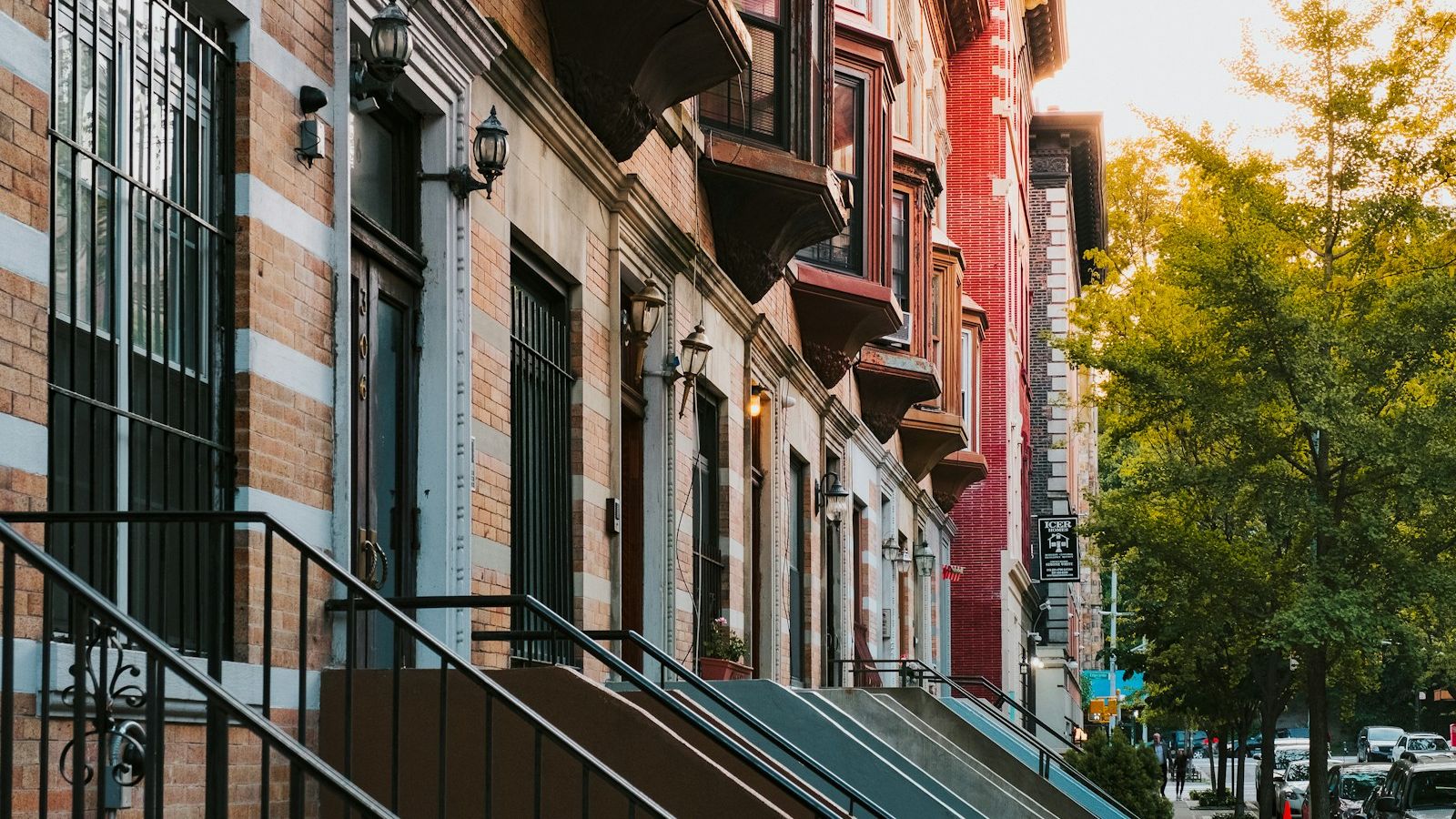
Today, walking through Harlem, you pass the same brownstones where those Saturday nights unfolded. The stoops are still there, the iron railings, the tall windows looking out over streets that have heard a century of music. On warm evenings, when sound drifts from somewhere above, the echo feels closer than you’d expect.
Harlem’s rent parties were born from financial pressure but became places of joy, creativity, and community. A quarter at the door. A stranger’s living room. Music that would change the world. New York has always known how to make something extraordinary out of the simplest possible ingredients.
You Might Also Enjoy
- The Back-to-School Party in the Bronx That Accidentally Invented Hip-Hop
- Why the First Person to Cross the Brooklyn Bridge Was a Woman With a Rooster
- New York’s Most Beautiful Subway Station Has Been Closed Since 1945 — And You Can Still See It
Plan Your New York Trip
Ready to explore the city yourself? Our New York in 3 Days guide walks you through the essential neighborhoods, cultural landmarks, and hidden gems that make this city unlike anywhere else on earth.
Join New York Lovers
Every weekday morning, get New York’s hidden gems, neighbourhood stories, food origins, and city secrets — straight to your inbox.
Subscribe free — enter your email:
Love more? Join 65,000 Ireland lovers → · Join 43,000 Scotland lovers →
Free forever · Unsubscribe anytime
