
In October 1977, a news helicopter flying over the World Series caught something that stopped America cold. While a game played on below, entire city blocks were on fire across the South Bronx. Announcer Howard Cosell looked down and told millions watching at home: “There it is, ladies and gentlemen, the Bronx is burning.” Nobody argued. It was true.
How a Borough Became a Headline
The fires of the South Bronx didn’t start overnight.
Through the 1960s and 1970s, a toxic combination of insurance fraud, landlord abandonment, and city budget cuts hollowed out the neighborhood. Landlords found it more profitable to torch their own buildings for the payout than to maintain them. The city slashed fire department resources. By some estimates, over 300,000 residents left the Bronx between 1970 and 1980.
The population that remained was mostly Black and Latino — communities already stretched thin by poverty and neglect. When the Daily News ran the headline “Ford to City: Drop Dead” in 1975, the South Bronx took it personally. Because they’d already been dropped.
The People Who Didn’t Leave
Here’s what the headlines missed.
While the Bronx was burning, something else was happening on those same streets. In community centers, churches, and cramped apartments, residents were organizing. Block associations formed. Community gardens replaced rubble lots. Local nonprofits started rebuilding housing from scratch, one building at a time.
Father Louis Gigante — a Catholic priest who also trained boxers — spent decades organizing housing construction in the Hunts Point neighborhood. By the 1980s, he had overseen the building or renovation of thousands of apartments. His reasoning was simple: “People live here. They deserve a place to live.”
The city eventually caught up. What followed was one of the most remarkable turnarounds in American urban history.
The Rebuild That Changed How Cities Think
In the 1980s and 1990s, New York City poured over $5 billion into rebuilding the Bronx.
Thousands of abandoned buildings were gut-renovated. Burned lots became new homes. The Community Preservation Corporation helped families access mortgages for the first time. Crime, which had spiked during the worst years, began a long steady fall.
What happened in the Bronx became a global case study. Urban planners from London to Lagos traveled to see how a neighborhood could rebuild from near-total collapse. The answer, it turned out, was the people who never left.
Enjoying this? Join New York lovers getting stories like this every week. Subscribe free →
The Bronx You Can Visit Today
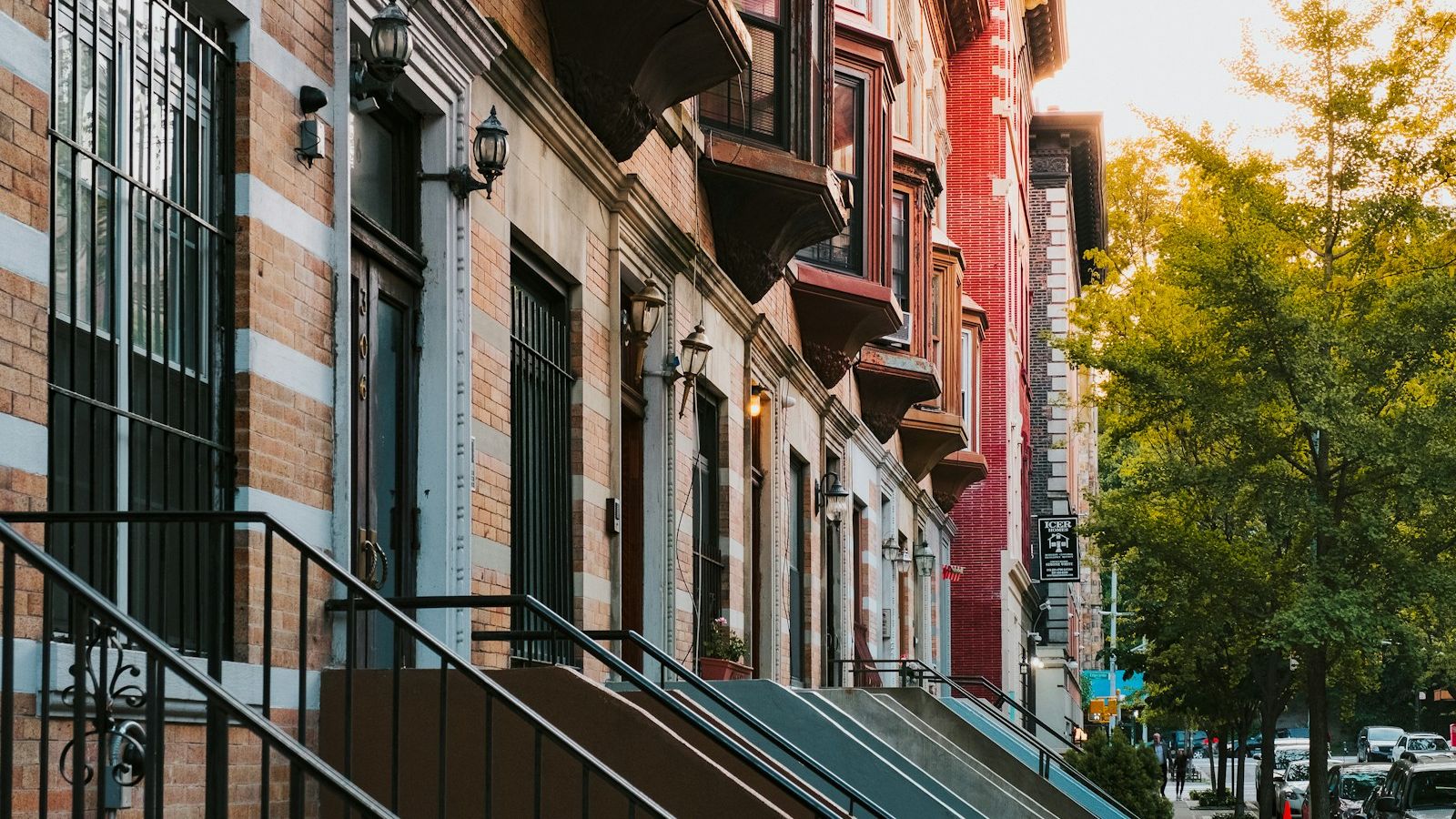
Walk through the Grand Concourse today and you’ll find Art Deco apartment buildings as grand as anything on Park Avenue — most of them lovingly restored.
Arthur Avenue in the Belmont neighborhood — often called the “real Little Italy” — draws food lovers from across the city. Fresh pasta, aged provolone, and Italian pastries from shops that haven’t changed in decades. The neighborhood that made national news for devastation is now making food writers jealous.
Wave Hill, a public garden in the Riverdale section, offers stunning views over the Hudson River and the New Jersey Palisades. It’s one of the city’s most beautiful outdoor spaces, and barely anyone from Manhattan knows it exists. Adding stops like this to a New York itinerary rewards the curious traveler in ways the standard route never does.
The New York Botanical Garden — 52 acres of curated landscape, glass-domed conservatories, and seasonal exhibitions — sits in the Bronx and rivals anything in the world. Most visitors to New York never make it there.
Why the Bronx Story Matters
The Bronx has always had an image problem. Mention it to some New Yorkers and they’ll still picture the 1970s.
But the residents who stayed through the worst years — and the generations that followed — built something remarkable. Something earned, not given. Just as Harlem once found its way back through music and community, the Bronx found its way back through stubbornness and solidarity.
Young artists, chefs, and families are moving in now. Rents are lower than Brooklyn. The food is extraordinary. The stories are some of the most powerful in all of American urban history.
The Bronx isn’t a comeback story. It’s a survival story. Those are always the most interesting kind.
If you’re planning a trip to New York, put the Bronx on your list — not out of obligation, but out of genuine curiosity. Walk the Grand Concourse. Eat on Arthur Avenue. Stand in Wave Hill and watch the sun set over the Hudson. You’ll understand something about this city that the guidebooks rarely explain. The ultimate New York travel guide is a good place to start planning the rest of your trip.
You Might Also Enjoy
- The Rent Parties That Saved Harlem in the 1920s — And Changed American Music Forever
- The Island Just 800 Yards From Manhattan That Was Off-Limits for 200 Years
- Why New York Welcomes Its Heroes With a Storm of Paper — and Always on the Same Street
Plan Your New York Trip
Ready to explore beyond Manhattan? Our three-day New York itinerary is the perfect starting point — with room to add a Bronx afternoon for those who want to see the full city.
Join New York Lovers
Every weekday morning, get New York’s hidden gems, neighbourhood stories, food origins, and city secrets — straight to your inbox.
Subscribe free — enter your email:
Love more? Join 65,000 Ireland lovers → · Join 43,000 Scotland lovers →
Free forever · Unsubscribe anytime
