
On the last night of 1897, something strange happened on the streets of Brooklyn. People gathered not to celebrate, but to mourn. Church bells tolled. Flags flew at half-staff. A black-bordered newspaper landed on doorsteps across the borough. Brooklyn was dying — not by disaster, but by vote.
At midnight, January 1, 1898, the independent City of Brooklyn officially ceased to exist. It became a borough of New York. And half its residents never really forgave the merger.
Brooklyn Was One of America’s Greatest Cities
Most people don’t realize how significant Brooklyn was on its own. By 1890, it was the fourth largest city in the United States — bigger than Boston, bigger than Baltimore, bigger than New Orleans.
Brooklyn had its own mayor. Its own city hall. Its own police force, fire department, and public library system. It had the Brooklyn Eagle, one of the most respected newspapers in the country — Walt Whitman once edited it.
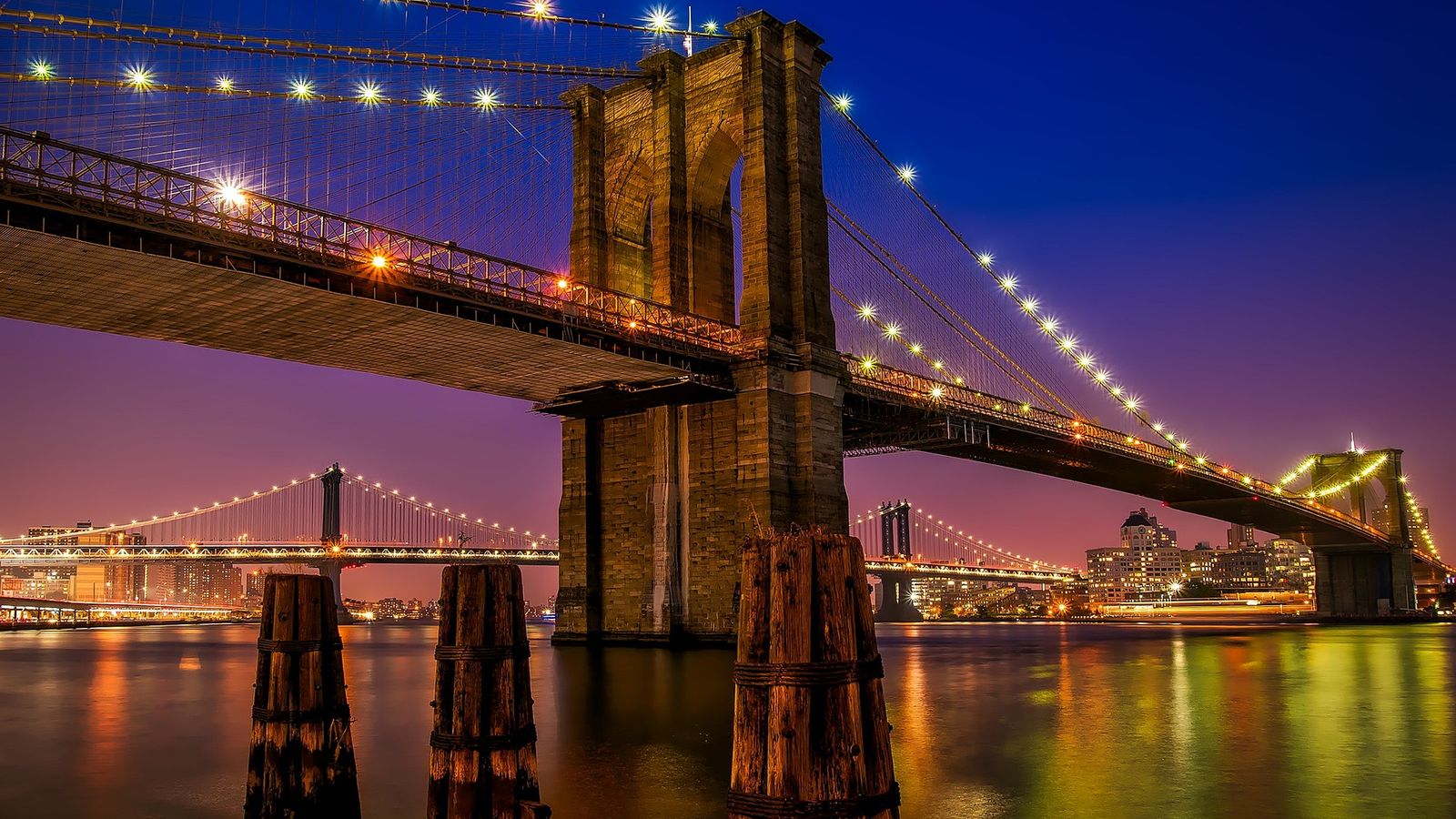
It was a city with an identity. Working-class immigrants built its neighborhoods. Ferries crossed the East River constantly. And when the Brooklyn Bridge opened in 1883, Brooklynites didn’t see it as the beginning of the end. They saw it as proof that their city had arrived.
The Vote Nobody Agreed On
In 1894, New York State held a referendum on consolidating the region’s cities and counties into one greater New York. The vote passed — but only barely, and only because of votes from outside Brooklyn.
In Brooklyn itself, the result was almost split down the middle. Business leaders backed the merger, believing it would bring cheaper infrastructure and stronger commerce. Ordinary residents were far more divided. Many felt they were being absorbed into something they didn’t choose.
The New York State legislature approved the consolidation regardless. The date was set: January 1, 1898. The City of Brooklyn had three years to say goodbye.
The Funeral on New Year’s Eve
When December 31, 1897 arrived, some Brooklynites organized mock funeral processions. They carried symbolic coffins through the streets. They rang bells and draped buildings in black bunting.
The Brooklyn Eagle published a special edition bordered in black, as if announcing a death in the family. At Borough Hall — the same building that had been city hall — local officials gathered for a somber ceremony to mark the close of an era.
The mood wasn’t universal. In Manhattan and the other boroughs joining the new city, there were celebrations. But in Brooklyn, the night felt different — like a community watching something irreplaceable slip away.
Enjoying this? Join New York lovers getting stories like this every week. Subscribe free →
The Largest City in the World — For a Moment
On January 1, 1898, the five boroughs became one. Greater New York was born: Manhattan, Brooklyn, Queens, the Bronx, and Staten Island. At a single stroke, New York became the second largest city on Earth, with 3.4 million people.
Supporters had promised cheaper water, better transit, shared infrastructure. And to be fair, the consolidation did bring those things. The subway system that would eventually connect the boroughs couldn’t have been built any other way.
But something was also lost. Brooklyn’s independent institutions — its own tax system, its own civic voice, its own political representation — were folded into a much larger machine. The borough had power, but the city had the power.
The Identity That Refused to Disappear
Here’s the remarkable thing: Brooklyn never really became just a borough. It became a brand, a sensibility, a shorthand for something authentic that Manhattan — for all its glamour — struggled to replicate.
The brownstone blocks of Brooklyn Heights and Park Slope remained fiercely local. The Brooklyn Museum, the Brooklyn Academy of Music, and the Brooklyn Public Library kept the borough’s name — and kept the borough’s pride.
Today, Brooklyn has about 2.6 million residents. If it were still a city, it would rank as the fourth largest in the United States — ahead of Houston, ahead of Phoenix. The people who held that funeral in 1897 would find that rather satisfying.
What You Can Still See Today
Brooklyn’s civic identity isn’t just memory — it’s architecture. Brooklyn Borough Hall, built in 1848, still stands on Joralemon Street. It was designed as the city hall of an independent city, and it looks the part: Greek Revival columns, a central tower, the confidence of a place that expected to matter for centuries.
Walk through Brooklyn Heights, Carroll Gardens, or Cobble Hill and you’ll feel the weight of that history. These neighborhoods were never designed to be satellite suburbs of Manhattan. They were designed to be the heart of a city.
The consolidation gave New York its size. But Brooklyn gave New York its soul.
You Might Also Enjoy
- The Brooklyn Brownstone Was Almost Bulldozed — Then New Yorkers Started Fighting Back
- Why the First Person to Cross the Brooklyn Bridge Was a Woman With a Rooster
- The Three Rival Pleasure Palaces That Once Made Brooklyn the Center of the World
Plan Your New York Trip
Ready to explore Brooklyn’s streets and history yourself? Our Brooklyn in 48 Hours guide covers the neighborhoods, landmarks, and hidden corners that make the borough unlike anywhere else in the world.
Join New York Lovers
Every weekday morning, get New York’s hidden gems, neighbourhood stories, food origins, and city secrets — straight to your inbox.
Subscribe free — enter your email:
Love more? Join 65,000 Ireland lovers → · Join 43,000 Scotland lovers →
Free forever · Unsubscribe anytime
