
Every Monday, Wednesday, Friday, and Saturday morning, something extraordinary happens at the southwest corner of Union Square. Farmers from across the Northeast spread out their harvest on folding tables, and New York City — all of it, every kind of person — comes to shop.
It has been happening since 1976. And it quietly changed American food culture forever.
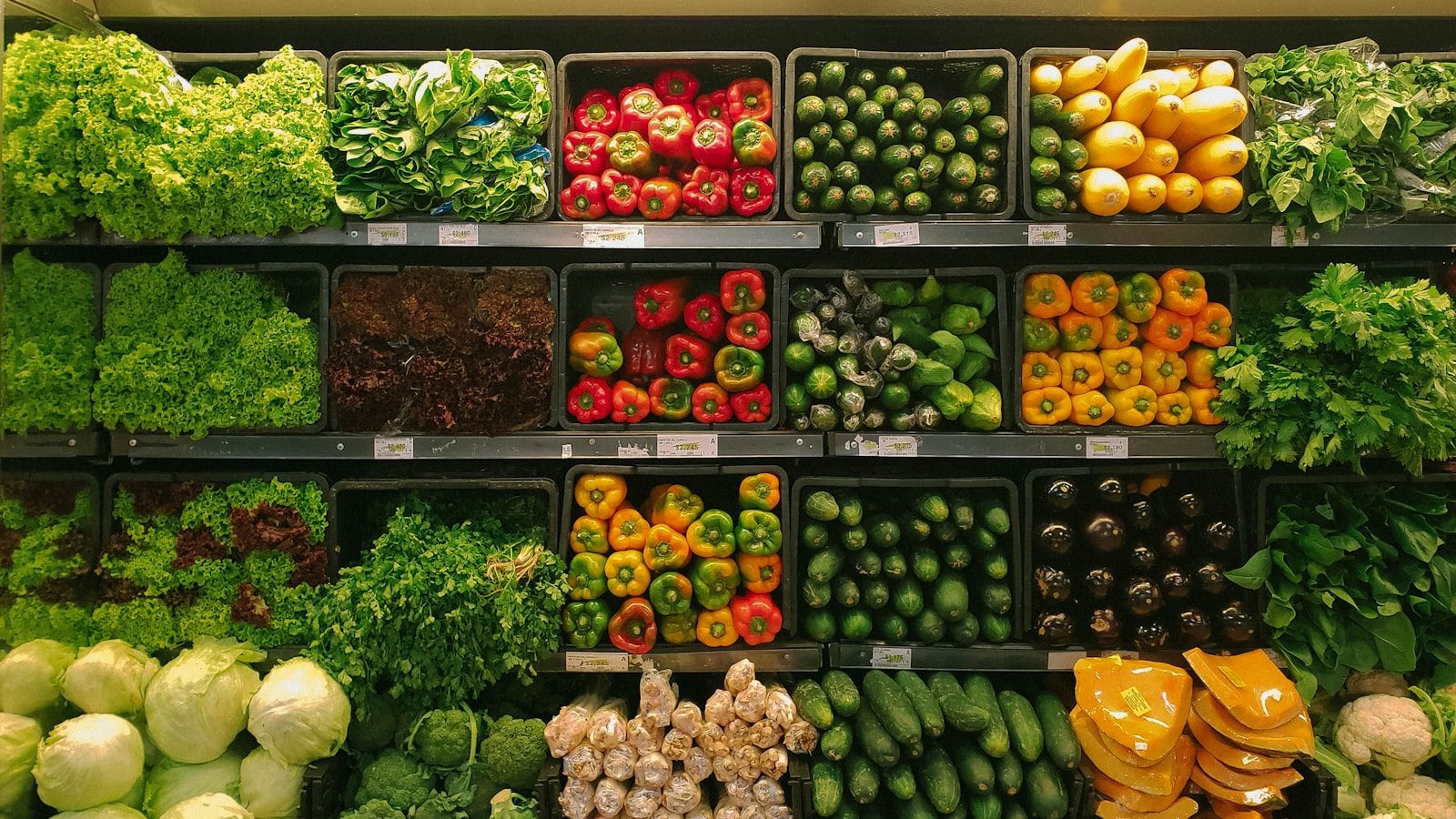
The Neglected Park That Needed a Reason to Exist
In the mid-1970s, Union Square was not a destination. It was a park locals avoided — underused, deteriorating, and disconnected from the neighborhoods around it.
Two urban activists named Bob Lewis and Barry Benepe had a simple idea. Bring farmers directly into the city. Connect growers from the Hudson Valley, Long Island, and New Jersey to the people who needed them most.
In July 1976, seven farmers set up stalls at the edge of Union Square. New Yorkers stopped. They touched tomatoes still warm from the vine. They asked questions nobody had ever thought to ask at a supermarket.
The Greenmarket was born.
The Morning New York’s Greatest Chefs Started Showing Up
Word spread fast — not among ordinary shoppers, but among chefs.
In the late 1970s and early 1980s, some of New York City’s most ambitious cooks began making Saturday morning trips to Union Square before service. They weren’t looking for standard produce. They were looking for things no wholesaler could offer: heirloom tomatoes in twenty colors, heritage apple varieties, Hudson Valley creamery cheeses, and Long Island duck eggs.
This wasn’t grocery shopping. It was research.
Chefs built entire menus around what they discovered at the Greenmarket. The farm-to-table movement — the idea that restaurants should source locally, seasonally, and with full knowledge of the farm — didn’t start in California. It crystallized here, on the cobblestones of Union Square, on a Saturday morning. New York’s food identity was being quietly rewritten, one crate of vegetables at a time.
The Park That Came Back to Life
Something unexpected happened as the Greenmarket grew. The park around it transformed too.
Through the 1980s, as vendors multiplied and shoppers returned week after week, Union Square itself was revitalized. New restaurants opened on the surrounding blocks. Residents started using the park again. The energy of the market — the color, the smell, the noise of real commerce — pushed out what had filled the vacuum before.
Urban planners began citing the Greenmarket as one of the most effective tools of neighborhood renewal the city had ever seen. Not a policy, not a rezoning — a farmers market. It’s one of the most underrated urban success stories in American history. New York had dozens of iconic market traditions long before the modern era, but this one felt different. It felt alive.
Enjoying this? Join New York lovers getting stories like this every week. Subscribe free →
Open Every Season, No Exceptions
What makes the Union Square Greenmarket different from the hundreds of weekend markets that have sprung up across the city is simple: it never closes.
In December, vendors bring root vegetables, storage apples, and winter squash. In February, there are dried beans, aged cheeses, and greenhouse herbs. In the bleakest weeks of a New York winter, when the park benches are empty and the temperature is in the twenties, the stalls are still here.
That year-round commitment changed how many New Yorkers cook. It turned seasonal eating from a trend into a habit. The Greenmarket isn’t a summer indulgence. It’s a relationship — one that’s been running longer than most New Yorkers have been alive.
What You’ll Find There Today
At peak season, the Greenmarket hosts more than 140 vendors, all required to grow or produce what they sell within approximately 200 miles of New York City. There are around 50 apple varieties in October. Ramps in April, before they appear anywhere else in the city. Strawberries in June that taste like nothing from a refrigerated truck.
But it’s not just produce. There are fishermen from the Peconic Bay, maple syrup producers from the Catskills, grass-fed beef farmers from the Hudson Valley, and bakers who’ve been selling the same sourdough loaves at the same table for twenty years.
It’s a snapshot of the entire region, assembled four times a week in the middle of Manhattan. New York’s food obsession — the way the city argues about pizza, debates cheesecake, and elevates every ingredient to a point of pride — runs directly through this market.
The Place Where New York Is Still New York
What keeps people coming back isn’t just the food.
It’s the fact that at the Greenmarket, New York is briefly, genuinely mixed. The chef from the three-star restaurant shops beside the retired teacher from Stuyvesant Town. The food stylist from a magazine and the guy who’s been buying cider from the same stand for two decades exchange a nod at the front of the line.
There’s no velvet rope. No reservation required. Just a Saturday morning, a canvas bag, and a park that found its purpose.
Union Square in the 1970s was a space that had given up on itself. Today it’s one of the most visited public squares in the city — and the Greenmarket is a big part of why. That’s what seven farmers at a folding table started in 1976. Not bad for a Tuesday morning tradition that turned into something irreplaceable.
You Might Also Enjoy
- The Market Mayor La Guardia Built by Force — and New Yorkers Still Love It
- The Reason New York Pizza Folds in Half — And Why Every Other State Gets It Wrong
- Why New York Cheesecake Tastes Like Nothing Else — and Nobody Can Agree Why
Plan Your New York Trip
Ready to explore New York City? The Ultimate New York Travel Guide covers the best neighborhoods, hidden gems, and everything you need to plan an unforgettable visit.
Join New York Lovers
Every weekday morning, get New York’s hidden gems, neighbourhood stories, food origins, and city secrets — straight to your inbox.
Subscribe free — enter your email:
Love more? Join 65,000 Ireland lovers → · Join 43,000 Scotland lovers →
Free forever · Unsubscribe anytime
