
Late at night, if you look up at the eaves along Gansevoort Street, you can still see the old iron hooks. For most of the twentieth century, those hooks held beef carcasses. Tonight, they are framed by fairy lights and the hum of a restaurant crowd.
The Island of Meat
Manhattan didn’t always keep its distance from its food. In the mid-1800s, the stretch of land along the Hudson River’s edge — roughly between 14th and Horatio Streets — was where New York came face to face with what it ate.
By the 1890s, more than 250 meatpacking businesses operated here. Workers arrived before dawn. The cobblestones, chosen specifically because they could be hosed down, were dark by sunrise.
The smell reached the rest of Manhattan on certain wind directions. Residents complained. Nobody moved the meat.
What Nobody Tells You About Those Cobblestones
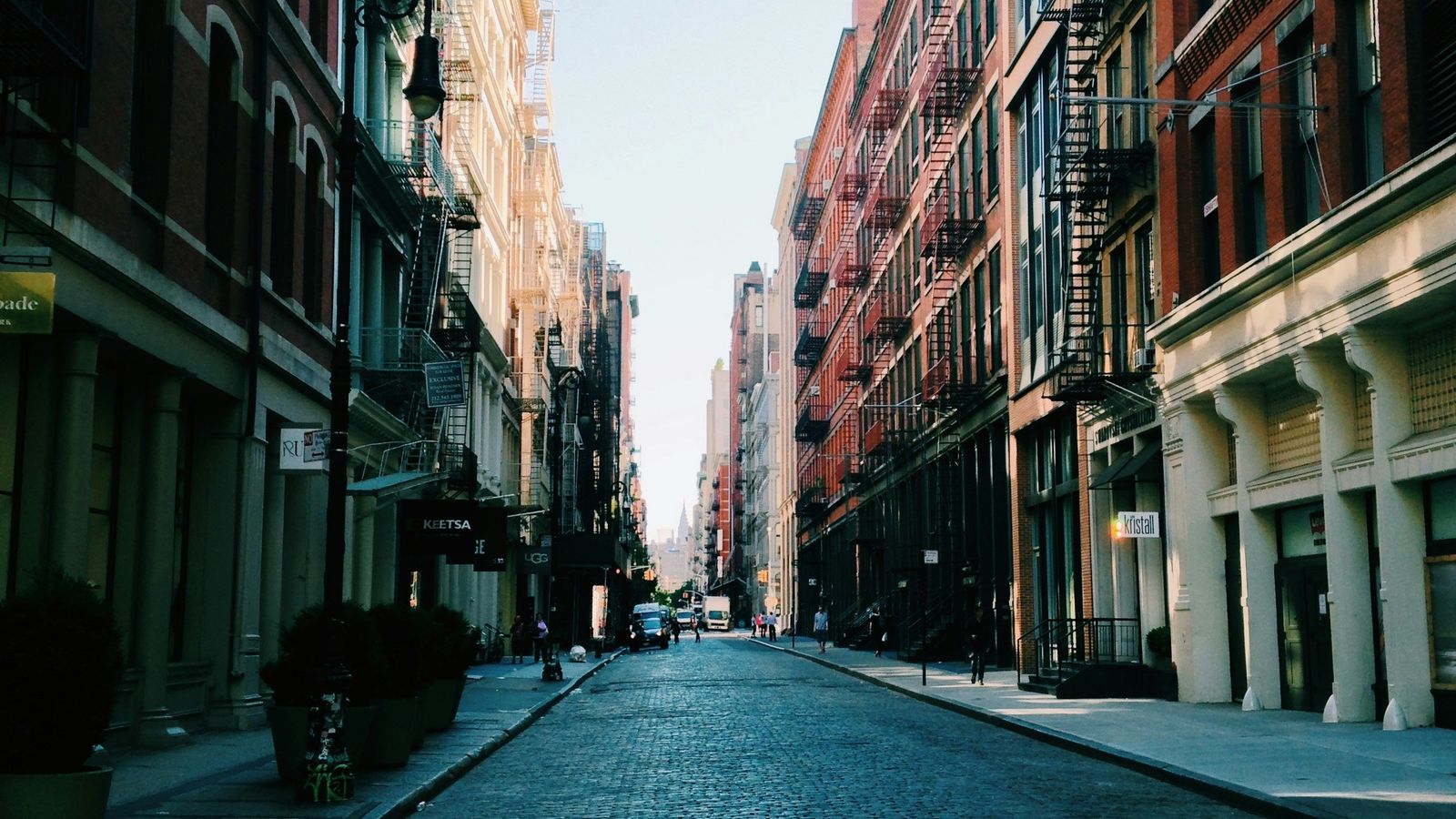
The Belgian block paving you walk on today is original. It was chosen for function, not beauty — a surface that could handle the constant weight of refrigerated trucks and still be cleaned at the end of a shift.
The city tried to replace it with asphalt several times during the twentieth century. Neighborhood residents pushed back each time. By accident, they preserved one of the most photographically striking streetscapes in New York City.
Every fashion week, those same cobblestones become the backdrop for street style photography. The photographers don’t mention where they came from.
The Decades Nobody Wants to Advertise
By the 1970s, the district was declining. Many meatpacking operations had moved to New Jersey or the outer boroughs. The warehouses sat half-empty through long nights.
What filled them was exactly what conservative New York preferred to ignore. Underground bars, unlicensed clubs, and communities that needed the cover of an overlooked neighborhood gathered in those empty spaces. It was unglamorous, unphotographed, and for many people who needed it, essential.
Those decades are mostly absent from the glossy neighborhood profiles. But they are part of what the district actually was — and what made it worth saving when nobody else was watching.
Enjoying this? Join New York lovers getting stories like this every week. Subscribe free →
The Museum That Moved the Whole Story
The Whitney Museum of American Art spent decades on the Upper East Side. In 2015, it relocated to a purpose-built building at the southern entrance of the High Line, right at the edge of the Meatpacking District.
That single decision pulled the entire district upward. Within two years of the Whitney’s arrival, major fashion houses had opened flagship stores on the surrounding blocks. The rents followed — fast.
The High Line itself, an elevated park built on a disused freight rail line, runs directly above the neighborhood and connects the Meatpacking District to Chelsea and beyond. It draws millions of visitors a year and remains one of the most genuinely pleasurable walks in the city.
What the District Looks Like Now
The last full-scale meatpacking operation in the district closed in 2014. In its place: the Whitney, the Hotel Gansevoort, Apple’s glass-fronted flagship, more restaurants per block than almost anywhere else in Manhattan.
On a Friday evening the cobblestones are thick with people dressed as if someone were photographing them — and someone usually is. The fashion crowd has fully claimed what the meat workers left behind.
But look up. The iron hooks are still in some eaves. The warehouse windows still have that particular heavy proportion. You can walk the whole neighborhood in twenty minutes and read exactly what it used to be, if you know what you’re looking for.
The transformation from slaughterhouse to runway took roughly thirty years. For New York, that counts as gradual.
Frequently Asked Questions
What is the Meatpacking District in New York known for today?
The Meatpacking District is now one of Manhattan’s most fashionable destinations, home to the Whitney Museum of American Art, boutique hotels, high-end restaurants, and the southern entrance to the High Line elevated park. The original Belgian block cobblestones and cast-iron warehouse architecture remain largely intact.
When is the best time to visit the Meatpacking District in New York?
Summer evenings are ideal — outdoor terraces are full, the High Line is lush and green, and the long New York sunset turns the old brick facades warm gold. Come on a weekday morning if you want to walk the cobblestones without crowds and really see the architecture.
How do you get to the Meatpacking District?
Take the A, C, or E train to 14th Street, or the L train to 8th Avenue — both leave you within easy walking distance of Gansevoort Street, the historic heart of the district. The neighborhood is also directly accessible from the southern end of the High Line.
What should I see near the Meatpacking District?
Start with the Whitney Museum of American Art on Gansevoort Street, then walk north on the High Line for views over Chelsea and the Hudson River. Chelsea Market, a repurposed factory building one block east, is worth an hour for its food vendors and history alone.
There are neighborhoods in New York that wear their transformation visibly — glass towers where brickwork stood, the old displaced by the expensive and new. The Meatpacking District did something different. It layered history rather than erasing it.
Stand on Gansevoort Street on a quiet morning, before the restaurants open and the fashion crowd arrives. The hooks are still in the eaves. The cobblestones still carry the proportions of a working street. Every city reinvents itself. New York does it faster than most — but here, if you look up, the original still speaks.
You Might Also Enjoy
- The Best Neighbourhoods in NYC for Tourists: Your Essential Planning Guide — a neighborhood-by-neighborhood breakdown to help you plan your time in the city.
- The Brooklyn Neighborhood That Accidentally Changed the Way Cities Look and Feel — another New York transformation story worth reading.
- Free Things to Do in NYC: The Complete Guide for Visitors — including the High Line, the Whitney’s free Friday evenings, and more.
Plan Your New York Trip
Ready to explore the Meatpacking District and beyond? Our 5-day New York City itinerary covers the neighborhoods, the landmarks, and the stories that make the city unforgettable.
Join 1,100+ New York Lovers
Every weekday morning, get New York’s hidden gems, neighbourhood stories, food origins, and city secrets — straight to your inbox.
Subscribe free — enter your email:
Love more? Join 65,000 Ireland lovers → · Join 43,000 Scotland lovers →
Free forever · Unsubscribe anytime

Subscribe Free