
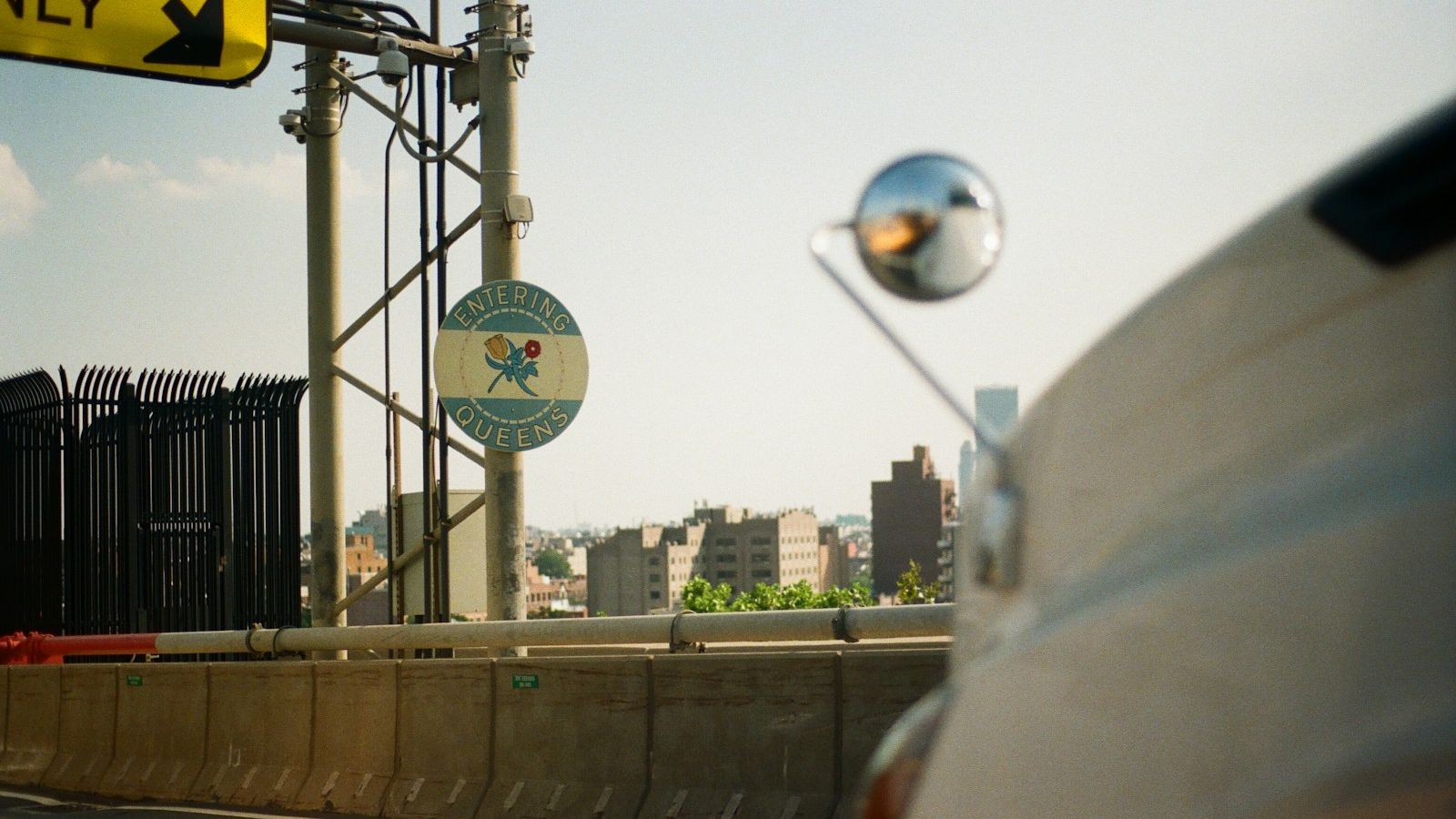
Walk down Ditmars Boulevard on a Saturday morning and you will hear something that stops you mid-step. Not a siren. Not a car alarm. Not the thud of a bass speaker from a passing truck. You will hear Greek — rapid, musical, totally unhurried — drifting from an open doorway alongside the smell of fresh sesame bread and strong coffee. You are not in Athens. You are in Astoria, Queens, and you are in one of the most remarkable immigrant neighborhoods ever built on American soil.
How Greeks Found Their Way to Queens
The first Greek immigrants arrived in New York at the turn of the twentieth century, most of them young men from villages in the Peloponnese and the islands. They were poor, ambitious, and practical. They settled where rents were low and the subway ran close — Astoria, then a cluster of factories and modest row houses at the western edge of Queens.
By the 1960s, Astoria held the largest Greek community outside of Greece itself. Then the Greek military dictatorship of 1967 pushed a new wave of arrivals across the Atlantic — intellectuals, artists, restaurateurs, and tradespeople who wanted nothing to do with a junta. Astoria absorbed them all.
At its peak, roughly 100,000 Greek immigrants and their descendants lived within a few square miles. The neighborhood didn’t just preserve Greek culture. It deepened it.
The Bakeries That Never Changed Their Recipes
The most durable sign of a neighborhood’s identity is not its churches or its social clubs. It is its bakeries. In Astoria, the Greek bakeries have been turning out the same products for generations — kourambiedes dusted with powdered sugar, melomakarona soaked in honey and walnuts, loaves of tsoureki braided and glazed for Easter.
These are not imitations of Greek baking. Many of the recipes came directly from villages in Crete, Thessaloniki, and Rhodes — carried in memory and written on index cards that are still taped inside cabinet doors today.
Some bakeries have been in continuous family operation since the 1940s. The ovens are the same. The hours start before dawn. The line on Sunday morning stretches out the door.
A Neighborhood That Refused to Gentrify on Other People’s Terms
Astoria has changed, as every New York neighborhood changes. The Greek population has shrunk from its Cold War peak. Young Brazilians, Egyptians, and Bangladeshis have moved in alongside the Greeks. Rents have risen. Some of the old social clubs — the kafeneia where men played backgammon for hours — have closed.
But Astoria has never surrendered its identity. The Greek Orthodox Church of Saint Demetrios on 30th Drive still holds liturgy in Greek. The Hellenic Cultural Center still runs language classes for the grandchildren of immigrants who were born in Queens and have never seen Athens.
This is not nostalgia. It is active maintenance. The community decided, without ever holding a vote, that Greek Astoria was worth keeping — and so they kept it.
Enjoying this? Join New York lovers getting stories like this every week. Subscribe free →
The Kafeneio Tradition — Coffee as a Way of Life
The kafeneio — the Greek coffee house — is one of the most misunderstood institutions in the world. To outsiders, it looks like a simple café. To the Greek community, it is something closer to a parliament, a confessional, and a therapy session rolled into one.
In the old Astoria kafeneia, a cup of Greek coffee was never just a drink. It was a reason to sit down, a license to stay for two hours, a social contract that demanded nothing except your presence and your opinion. The coffee came small and thick. The conversation came large and loud.
A few of these places survive today, mostly serving the older generation who remember when Astoria was a village inside a city. If you find one still open, order a Greek coffee, sit by the window, and understand that you are looking at a tradition that stretches back centuries further than New York itself.
What the Greek Community Built Beyond Its Own Borders
The Greeks of Astoria did not stay only in Astoria. Their restaurants spread across Manhattan. Their diners — those gleaming, chrome-fronted establishments that defined New York breakfast culture for decades — were almost entirely Greek-owned. The owners came from Astoria. The dishwashers came from Astoria. The families behind the counter came from Astoria.
At one point, Greeks owned more than 90% of the diners in New York City. That number is smaller now, but the legacy is everywhere. The blue-and-white coffee cup with the Greek key pattern that became the unofficial symbol of New York takeout coffee? Designed in the 1960s by a Greek immigrant named Leslie Buck — a cup so distinctly New York that it has been exhibited at the Museum of Modern Art.
If you have ever stood on a midtown sidewalk with a paper cup warming your hands, you have been holding a piece of Greek Astoria all along. Queens doesn’t just feed New York. It shaped the experience of it — and that story is still unfolding, one café at a time. If you’re planning to explore more of the city’s remarkable immigrant communities, this Queens neighborhood where 160 languages are still spoken shows just how deep that diversity runs.
You Might Also Enjoy
- The Best Neighbourhoods in NYC for Tourists: Your Essential Planning Guide — everything you need to know before you go.
- The One Neighborhood in New York Where 160 Languages Are Still Spoken — Queens at its most extraordinary.
- Why Every Real New Yorker Has a Bodega They Would Never Trade for a Whole Foods — how small shops define a city.
Plan Your New York Trip
Ready to explore the real New York beyond the tourist trail? Our neighbourhood guide breaks down every borough — with honest advice on where to stay, what to eat, and which subway lines actually make sense.
Join New York Lovers
Every weekday morning, get New York’s hidden gems, neighbourhood stories, food origins, and city secrets — straight to your inbox.
Subscribe free — enter your email:
Love more? Join 65,000 Ireland lovers → · Join 43,000 Scotland lovers →
Free forever · Unsubscribe anytime
