
Step off the A train at 181st Street in Washington Heights and you’re somewhere else entirely. Merengue floats from corner bodegas. The smell of chicharrón fills the air. Flags from the Dominican Republic hang from fire escapes like proud declarations. This is still New York — but it’s also something deeper than a neighborhood.
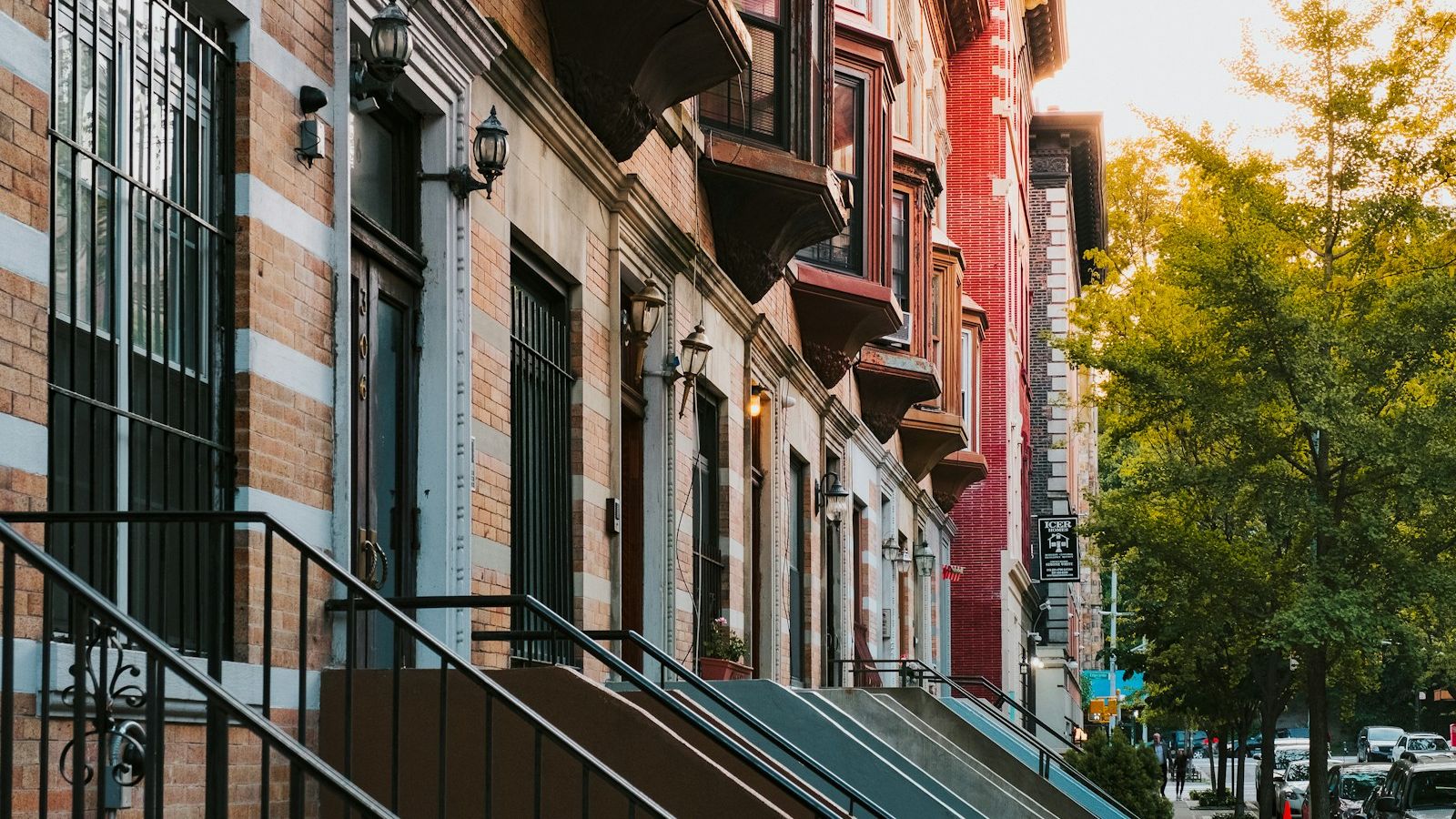
A Piece of the Island, Rebuilt in Upper Manhattan
Washington Heights stretches along the northern tip of Manhattan, from 155th Street up toward the Harlem River. For much of the 20th century, it was home to Jewish immigrants fleeing Europe, then Irish families, then Puerto Rican arrivals reshaping the city block by block.
By the 1960s, Dominican families had started putting down roots here. By the 1990s, they had transformed the neighborhood entirely.
Today, an estimated 800,000 Dominican Americans live in New York City. That’s more people than the entire population of most mid-sized Dominican cities. Some blocks in Washington Heights feel more like Santo Domingo than Santo Domingo does — and the locals wouldn’t have it any other way.
Why They Came to Upper Manhattan
The first major wave arrived in the early 1960s, after the assassination of dictator Rafael Trujillo opened the doors to emigration. Families who had been trapped under a brutal regime for decades suddenly had a way out.
New York made sense. Rents in Washington Heights were affordable. Jobs in garment factories, restaurants, and hospitals were available. And a growing Spanish-speaking community offered familiarity in a foreign city.
They didn’t just arrive — they built. Bodegas opened. Social clubs formed. Restaurants serving mangu, mofongo, and sancocho appeared on corners that had previously known only delis and diners. A culture wasn’t transplanted. It was recreated from memory.
The Street That Never Sleeps
On a summer night, Dyckman Street becomes something you can’t find anywhere else in the city. Families set up folding chairs on the sidewalk. Kids run between parked cars. Bachata drifts from competing speakers outside competing restaurants.
The smell of grilled corn and roasted pork moves through the crowd. Businesses stay open past midnight. Old men play dominoes outside until the early hours. The sidewalk itself becomes a living room.
This isn’t a performance for tourists. It’s just how life works here. And that’s exactly what makes it worth the trip.
Enjoying this? Join New York lovers getting stories like this every week. Subscribe free →
Quisqueya Heights
The nickname tells you everything. “Quisqueya” is the indigenous Taíno name for the island of Hispaniola — the land the Dominican Republic shares with Haiti. When Dominican New Yorkers call this neighborhood “Quisqueya Heights,” they’re reclaiming an identity that stretches back centuries before Columbus arrived.
That sense of identity is visible everywhere. Murals across the neighborhood celebrate Dominican artists, writers, and community leaders. The local library stocks Dominican literature alongside American classics. The community board conducts its meetings in both Spanish and English, in a city that still surprises people when it does that.
Washington Heights didn’t become a postcard version of Dominican culture. It became the real thing — messy, layered, proud, and completely alive.
The Food That Holds It Together
You cannot understand Washington Heights without eating your way through it. Start with a mangu breakfast — mashed plantains with red onions, fried salami, and salty white cheese. Follow that with a cup of sweet café con leche passed through a corner window.
By evening, find a table at one of the neighborhood’s family-run restaurants and order sancocho — a slow-cooked stew that every Dominican family makes differently, and every family insists theirs is the definitive version. It’s as much debate as it is dinner.
The food here isn’t fusion or trend. It’s memory, carried in handwritten recipe cards from kitchens in Santiago and San Pedro de Macorís.
A Neighborhood Worth the Train Ride
Washington Heights sits near the end of the A train — the longest subway line in the city. Most tourists turn around at the Upper West Side or stop briefly in Harlem. Few make it this far north.
That’s their loss. If you’re looking for the hidden gems of New York City that most visitors never find, Washington Heights belongs at the top of your list.
Fort Tryon Park — one of Manhattan’s most beautiful green spaces — sits here, with views across the Hudson River toward the Palisades of New Jersey. The Cloisters, a branch of the Metropolitan Museum of Art housing medieval European art and architecture, draws those who know about it. The George Washington Bridge, with its lower pedestrian walkway, offers one of the most underrated walks in the borough.
Washington Heights carries layers of New York history that most guidebooks skip entirely. It’s a neighborhood that operates on its own schedule, by its own rules, for its own people — and for visitors willing to make the trip, that’s exactly what makes it unforgettable.
You Might Also Enjoy
- Hidden Gems in NYC: The New York Most Tourists Never See
- The Brooklyn Beach That Became the Most Russian Place in America
- The Ultimate New York Travel Guide
Plan Your New York Trip
Ready to explore beyond Midtown? Our Ultimate New York Travel Guide covers everything you need — from getting around the boroughs to finding neighborhoods that still feel like the real New York.
Join New York Lovers
Every weekday morning, get New York’s hidden gems, neighbourhood stories, food origins, and city secrets — straight to your inbox.
Subscribe free — enter your email:
Love more? Join 65,000 Ireland lovers → · Join 43,000 Scotland lovers →
Free forever · Unsubscribe anytime
