
Imagine stepping off the B train and finding yourself in a world where the signs are in Cyrillic, the bakeries sell black bread and pickled herring, and old men at outdoor tables speak Russian with the cadence of people who learned it before there was a Russia to return to. This is Brighton Beach, Brooklyn — and its story is one of the most remarkable in New York City.
A Neighborhood on the Edge of the Atlantic
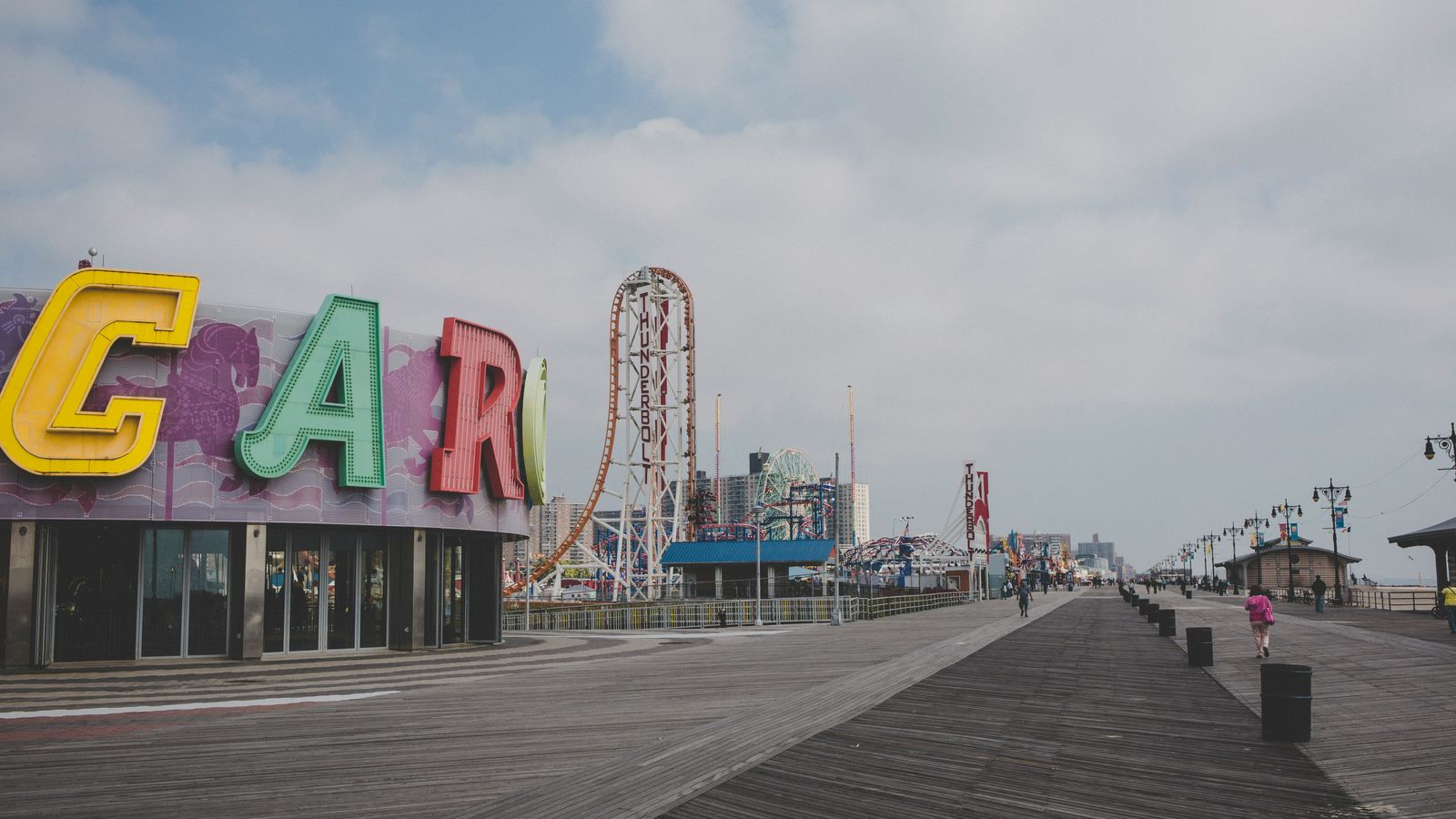
Brighton Beach sits at the southern tip of Brooklyn, where the boardwalk stretches along the Atlantic and the subway rattles overhead above the storefronts. For most of the 20th century, it was a faded resort town — a place that had seen better days since the summer crowds of the 1920s stopped coming.
The beachfront hotels were gone. The middle-class families had moved to the suburbs. By the 1970s, Brighton Beach was struggling.
Then the Soviet Jews arrived.
The Migration Nobody Talks About
Between the 1970s and the 1990s, roughly a million Soviet Jews emigrated to the United States — many of them fleeing persecution, state-sanctioned anti-Semitism, and the slow collapse of the Soviet system. A significant number landed in Brooklyn.
They named their new home Little Odessa, after the Black Sea port city in what is now Ukraine — a place that had been a hub of Jewish cultural and intellectual life for centuries before the Soviet era erased so much of it.
They brought with them their language, their food, their music, and their memories. And they rebuilt Brighton Beach in their image — one deli, one bakery, one restaurant at a time.
The Food That Tells the Story
Walk along Brighton Beach Avenue today and the history is edible. The signs are mostly in Russian. Bakeries sell dark rye bread, honey cookies called pryaniki, and pastries stuffed with poppy seeds that have been made the same way for generations.
The restaurants — many of them sprawling, ornate dining halls with live music and elaborate decor — serve dishes that haven’t changed in 50 years. Borscht thick with beets. Pelmeni dumplings floating in broth. Smoked fish piled high on platters. Georgian khachapuri fresh from the oven.
The Odessa restaurant. The Tatiana. The Volna. These places weren’t named for marketing. They were named for the cities and memories left behind — for the streets and kitchens and grandmothers that couldn’t make the journey.
Enjoying this? Join New York lovers getting stories like this every week. Subscribe free →
The Language That Stayed
Unlike many immigrant neighborhoods that gradually shift to English over two or three generations, Brighton Beach has held onto Russian with unusual tenacity. Partly this is because so many early arrivals came without much opportunity to learn English. But it’s also because the community built institutions — Russian-language newspapers, bookstores, and community centers — that made it possible to live a full life without ever needing to leave.
The younger generations are bilingual. But sit at any table on the boardwalk on a warm afternoon and Russian flows as naturally as if you were sitting beside the Black Sea.
It’s the kind of linguistic resilience that has always defined New York — the same Eastern European Jewish roots that gave New York its iconic bagel are alive here in a very different form, carried in the cadence of a language that refused to disappear.
The Boardwalk Between Two Worlds
The boardwalk is where Brighton Beach becomes something entirely its own. On one side, the Atlantic — gray and vast and indifferent. On the other, a neighborhood that has never quite felt like anywhere else in New York.
Old men play chess at outdoor tables. Women in long coats stroll past in winter as if the Brooklyn cold is nothing after decades of harsher weather. Vendors sell sunflower seeds. Teenagers argue in the relaxed, half-Russian half-English hybrid that second-generation immigrants everywhere invent for themselves.
If you visit on a weekend afternoon in summer, you’ll find the boardwalk crowded with three or four generations in a single glance — a living document of what it means to leave one world behind and build another.
Little Odessa in the 21st Century
Brighton Beach has changed. The first wave of Soviet Jewish immigrants has aged. A newer wave arrived after the Soviet collapse in 1991, and again in the 2000s. More recently, Ukrainian immigrants have come in significant numbers — drawn by the same network and the same corner of Brooklyn that received their predecessors.
There are trendy Georgian restaurants now alongside the traditional Russian delis. Sushi bars sit next to smoked fish counters that have been in the same family for 40 years. The neighborhood evolves — but Little Odessa persists.
You can still buy a Russian-language newspaper on the corner. You can still find a chess set and a bench. You can still order your meal entirely in Russian and have no trouble being understood. That’s no accident — it’s a community that decided, decades ago, to hold on.
Brighton Beach isn’t a tourist attraction. There are no velvet ropes or curated experiences. It’s just a neighborhood — real and layered and alive with history — the kind of New York that existed before New York started marketing itself to the world. And that’s exactly what makes it worth the ride to the end of the B line.
You Might Also Enjoy
- The Forgotten Reason Your New York Bagel Tastes Like Nothing Else on Earth
- Why the First Person to Cross the Brooklyn Bridge Was a Woman With a Rooster
- The Rent Parties That Saved Harlem in the 1920s — And Changed American Music Forever
Plan Your New York Trip
Ready to explore more of New York’s remarkable neighborhoods? The Ultimate New York Travel Guide covers everything you need to plan an unforgettable visit — from Brooklyn to the Bronx and everywhere in between.
Join New York Lovers
Every weekday morning, get New York’s hidden gems, neighbourhood stories, food origins, and city secrets — straight to your inbox.
Subscribe free — enter your email:
Love more? Join 65,000 Ireland lovers → · Join 43,000 Scotland lovers →
Free forever · Unsubscribe anytime
