
Three days in New York City is the sweet spot. Long enough to move beyond the obvious landmarks, slip into a few remarkable neighbourhoods, and eat very well — but not so long that you feel overwhelmed by a list that never ends. This guide takes the guesswork out of planning 3 days in New York City, routing you through Manhattan, Brooklyn, and Harlem without wasting a single afternoon standing in a queue you could have avoided.
You will walk the Brooklyn Bridge at sunrise, wander the High Line above the Hudson, sit under a tree in Central Park, and end with dinner in Williamsburg. Pack comfortable shoes. The subway does the rest.
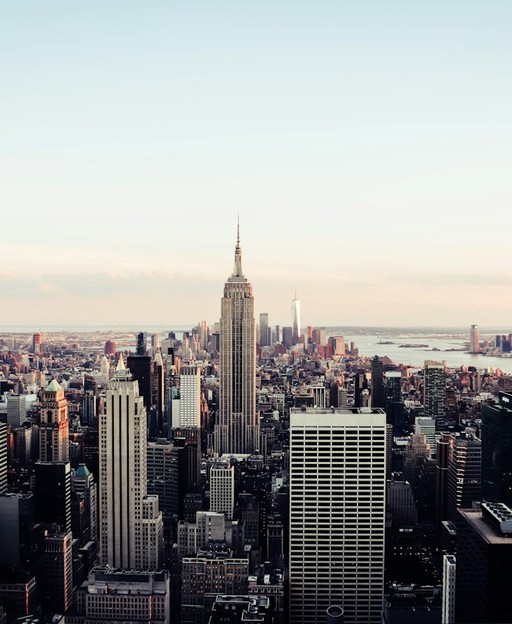
How to Make the Most of 3 Days in New York City
Before you arrive, a few practical decisions will shape the whole trip.
Choose your base carefully. Midtown (34th to 59th Streets) puts you within walking distance of Central Park, Grand Central, and the main subway interchange at Times Square. Lower Manhattan — the Financial District, Tribeca, or Battery Park City — tends to be quieter at weekends and is well placed for Day 1 of this itinerary. Both work well.
Sort your transport on day one. The subway runs 24 hours and costs $2.90 per single ride (2026). Tap in using a contactless credit or debit card via the Omny system — no need to queue at a MetroCard machine. Download the free MTA app before you fly for the live map.
Book two evening restaurants in advance, especially if you are visiting at the weekend. Popular places in Brooklyn and Greenwich Village fill up fast. Walk-ins are easier in Midtown and the Upper West Side.
For a broader overview of where to base yourself and which areas suit which kinds of traveller, read our guide to the best neighbourhoods in New York City for tourists.
Day 1 — Lower Manhattan, the Brooklyn Bridge, and the High Line
Morning: Walk the Brooklyn Bridge
Begin on the Brooklyn side of the Brooklyn Bridge. Take the A or C train to High Street station, walk down to the bridge entrance, and cross on foot toward Manhattan. The pedestrian walkway sits above the traffic lanes and gives you unobstructed views across the East River in both directions.
The walk takes around 25 to 30 minutes at a gentle pace. Arrive before 9am if you can — early morning puts you on the bridge with commuters rather than tour groups, and the low light over the Manhattan skyline is worth the early start.
Once you reach Manhattan, you land near City Hall Park. Walk ten minutes south to the Oculus at the World Trade Center — Santiago Calatrava’s white-ribbed transit hub above the Westfield mall. Entry is free and the interior is worth five minutes of your time.
Afternoon: Greenwich Village and the High Line
After a late breakfast or early lunch in Tribeca — the neighbourhood around Hudson Street and Duane Street has excellent café options — head north to the High Line.
This elevated former railway runs 2.3 kilometres above the Meatpacking District and Chelsea, turning an abandoned freight track into a long, planted park with views of the Hudson River and the New Jersey Palisades. The planting changes dramatically with the season — meadow grasses and wildflowers in summer, skeletal seed heads and frost-tipped stems in winter. Allow 45 minutes to walk the full length from Gansevoort Street at the south end to 34th Street at the north.
After the High Line, drop into Greenwich Village along West 14th Street and walk south toward Bleecker Street and Christopher Street. This neighbourhood rewards wandering more than almost anywhere else in the city. The grid loosens, the streets narrow, and you start finding the independent bookshops, neighbourhood pasta joints, and corner cafés that give New York its character beneath the tourist surface.
Evening: Dinner in Hell’s Kitchen
Hell’s Kitchen — the stretch of Ninth and Tenth Avenues between 34th and 57th Streets — has some of the most varied and best-value restaurants in Manhattan. Brazilian, Lebanese, West African, South Korean, Peruvian: the options are genuinely extraordinary. Book a table rather than walking in at the weekend. The neighbourhood works well if you are staying in Midtown, with no subway journey needed at the end of the night.
Day 2 — Grand Central, Central Park, and the Metropolitan Museum of Art
Morning: Grand Central Terminal
Start Day 2 at Grand Central Terminal on 42nd Street. Arrive before 9am to see the morning commute in full flow and catch the light from the tall windows pouring across the concourse floor. Look up at the ceiling: the turquoise zodiac constellation mural, painted in gold leaf, is one of the great public art pieces in the United States. Grand Central is free to enter and entirely worth visiting even if you are not catching a train.
From Grand Central, walk north along Park Avenue. At 53rd Street, just off the main thoroughfare, Paley Park is a tiny vest-pocket park squeezed between office buildings — a waterfall wall on the back face screens out all street noise, and there are metal chairs to sit in. Most visitors to Midtown never find it.
Afternoon: Central Park and the Metropolitan Museum
Central Park runs from 59th Street to 110th Street — four kilometres long and 800 metres wide. On three days in New York City, you will not see all of it. Pick three points and walk between them.
The Bethesda Terrace and Fountain at 72nd Street is the classic Central Park set piece — the formal stone terrace, the octagonal fountain, and the Lake stretching away to the north. The Jacqueline Kennedy Onassis Reservoir, between 85th and 96th Streets, is quieter and gives you a remarkable view of the Upper East Side and Upper West Side skylines framing the water on both sides. Strawberry Fields at 72nd Street on the west side, the memorial to John Lennon, draws visitors year-round.
After Central Park, walk east to Fifth Avenue and enter the Metropolitan Museum of Art at 82nd Street. The Met is the largest art museum in the Americas. The Egyptian Temple of Dendur (moved stone by stone from the Nile valley and reassembled inside a glass wing) alone justifies the entrance fee. Allow two hours minimum. Admission is $30 for adults; tickets are available on the door.
Evening: The Upper West Side
The Upper West Side, running along Broadway and Amsterdam Avenue from 72nd to 86th Streets, is one of the most liveable residential neighbourhoods in Manhattan. Choose a small restaurant on Amsterdam Avenue rather than a tourist-facing spot on Broadway. The pace here suits a slower evening after a full day on your feet — a glass of wine, a good meal, and an early night before your Brooklyn day.
Day 3 — Brooklyn: Dumbo, Prospect Park, and Williamsburg
Morning: Brooklyn Bridge Park and Dumbo
Take the A or C train to Jay Street-MetroTech and walk toward the waterfront. Dumbo — Down Under the Manhattan Bridge Overpass — sits beneath two of New York’s great bridges and gives you one of the most-photographed views in the city: the Empire State Building framed between the steel towers of the Manhattan Bridge, looking west along Washington Street.
Brooklyn Bridge Park runs for 2.1 kilometres along the waterfront and is free to enter. Pier 1, directly beneath the south tower of the Brooklyn Bridge, gives you the closest ground-level view of the bridge’s limestone towers. Walk south toward Pier 6 for wider lawns and quieter benches, especially on a weekday morning.
Afternoon: Prospect Park or Park Slope
For your afternoon, choose between Prospect Park and the streets of Park Slope.
Prospect Park was designed by Frederick Law Olmsted and Calvert Vaux — the same team who created Central Park — and many New Yorkers consider it the better of the two. The Long Meadow, running nearly the full length of the park’s west side, is 36 hectares of open grass in the middle of a dense borough. The Boathouse on Prospect Lake is free to visit and worth a look; rent a pedalo from there in summer.
Park Slope — the residential neighbourhood along Seventh Avenue south of Grand Army Plaza — makes an excellent afternoon walk if you prefer streets to greenery. The brownstone rows between 2nd Street and 9th Street are among the best-preserved Victorian-era residential blocks in New York. The avenue itself is lined with independent cafés, bookshops, and small restaurants.
Evening: Williamsburg
Williamsburg, on the north side of Brooklyn along the L train line, is the city’s most concentrated area for independent restaurants, craft bars, and live music. The main strip runs along Bedford Avenue and North 7th and 8th Streets. Book a dinner table at a restaurant on the side streets rather than the main avenue — the smaller places tend to be better value and more interesting. After dinner, the bar and music scene along Metropolitan Avenue runs well past midnight.
For a deeper look at what else Brooklyn has to offer, including Coney Island, DUMBO, and the Botanic Garden, read the full borough guide.
Practical Tips for 3 Days in New York City
Tipping is expected. Budget for 18 to 20 per cent on food and drink, and in taxis. This is not optional in New York — it is built into the economics of service work in the city.
Carry some cash. Many street food vendors, delis, and smaller cafés are cash-only. A $20 bill covers most situations.
Book weekend brunch in advance. Popular places in Brooklyn and Greenwich Village regularly have queues of 45 to 60 minutes on Saturday and Sunday mornings. Book online the evening before, or go early (before 9am) to beat the wait.
Use the free options generously. The High Line, Brooklyn Bridge, Brooklyn Bridge Park, Prospect Park, Grand Central, the Oculus, and Washington Square Park cost nothing. Read our full guide to free things to do in New York City before you arrive — it will significantly reduce your daily spend.
Download offline maps before you travel. Mobile data is unreliable on the subway. Google Maps and Apple Maps both support offline downloading for New York City — save the map on Wi-Fi and navigate without a signal.
Frequently Asked Questions About 3 Days in New York City
Is 3 days in New York City enough for a first visit?
Three days in New York City is enough to see the most important landmarks and experience two or three neighbourhoods properly. You will not see everything — nobody does on any length of trip — but you will leave with a genuine feel for the city rather than a rushed checklist of major sights.
How do I get around New York City in 3 days?
The subway is the fastest and cheapest way to move across New York City on a 3-day visit. A single ride costs $2.90 (2026), the trains run 24 hours, and a contactless bank card taps in directly via the Omny system. Taxis and rideshare apps (Uber, Lyft) are useful late at night or for travelling between Brooklyn and Midtown when the subway feels slow.
What should I prioritise on a 3-day first visit to New York?
Prioritise the Brooklyn Bridge walk, an afternoon in Central Park, and a full day in Brooklyn. These three experiences show you the range of New York City far more effectively than spending all three days in Midtown. The landmarks are worth seeing — but the neighbourhoods are where you actually feel the city.
When is the best time of year to spend 3 days in New York?
Late April to early June and September to October are the most comfortable months for a walking-focused 3-day itinerary. The temperature sits between 15°C and 25°C, the parks are at their best, and hotel rates are lower than at peak summer. July and August are hot and crowded but alive with outdoor events; December and January are cold but dramatic, especially if there is snow on the ground.
Join 1,000+ New York Lovers
Every week, get New York’s hidden gems, local secrets, and travel inspiration — the kind you won’t find in any guidebook.
Subscribe free — enter your email:
Love more? Join 64,000 Ireland lovers → · Join 43,000 Scotland lovers → · Join 30,000 Italy lovers →
Free forever · One email per week · Unsubscribe anytime
