
Two minutes’ walk from the Brooklyn Museum, there’s a place most New Yorkers have driven past their entire lives without ever stepping through its gates. The moment you do, the traffic on Eastern Parkway disappears. The city falls away. It takes about thirty seconds to forget you’re in Brooklyn at all.
The Brooklyn Botanic Garden is 52 acres of something New York rarely offers: genuine quiet. And most visitors to the city never find it.
A Garden Built on an Ash Dump
In 1910, the land now occupied by the Brooklyn Botanic Garden was industrial wasteland — a former ash dump wedged between the edge of Prospect Park and a stretch of Brooklyn that had not yet decided what it wanted to be.
The Brooklyn Institute of Arts and Sciences transformed it. They brought in landscape architects, botanists, and horticulturists, and built something both rigorous and beautiful on ground nobody else wanted.
Within a decade, it had earned an international reputation. Botanists came from Europe to study its collections. Brooklyn families came on Sunday afternoons to walk paths lined with plants they’d never have seen otherwise. More than a century later, almost nothing about that tradition has changed.
The Japanese Garden That Predates Everything
What surprises most first-time visitors is that Brooklyn has been home to one of the finest Japanese gardens in the Western hemisphere since 1915.
The Japanese Hill-and-Pond Garden was designed by landscape architect Takeo Shiota and opened during a period when almost no Japanese-designed gardens existed in the United States. A still pond anchors the space. Curved wooden bridges cross the water. Stone lanterns line the hillside. Torii gates rise from the surface of the pond itself.
It was built as a gesture of generosity at a time when few such gestures were being made across cultural lines. Today it remains one of the most serene places in all five boroughs — and one of the least crowded, even on a busy spring day.
The Cherry Trees That Stop the City
Every spring, usually between late April and early May, something happens at the Brooklyn Botanic Garden that makes New Yorkers rearrange their schedules.
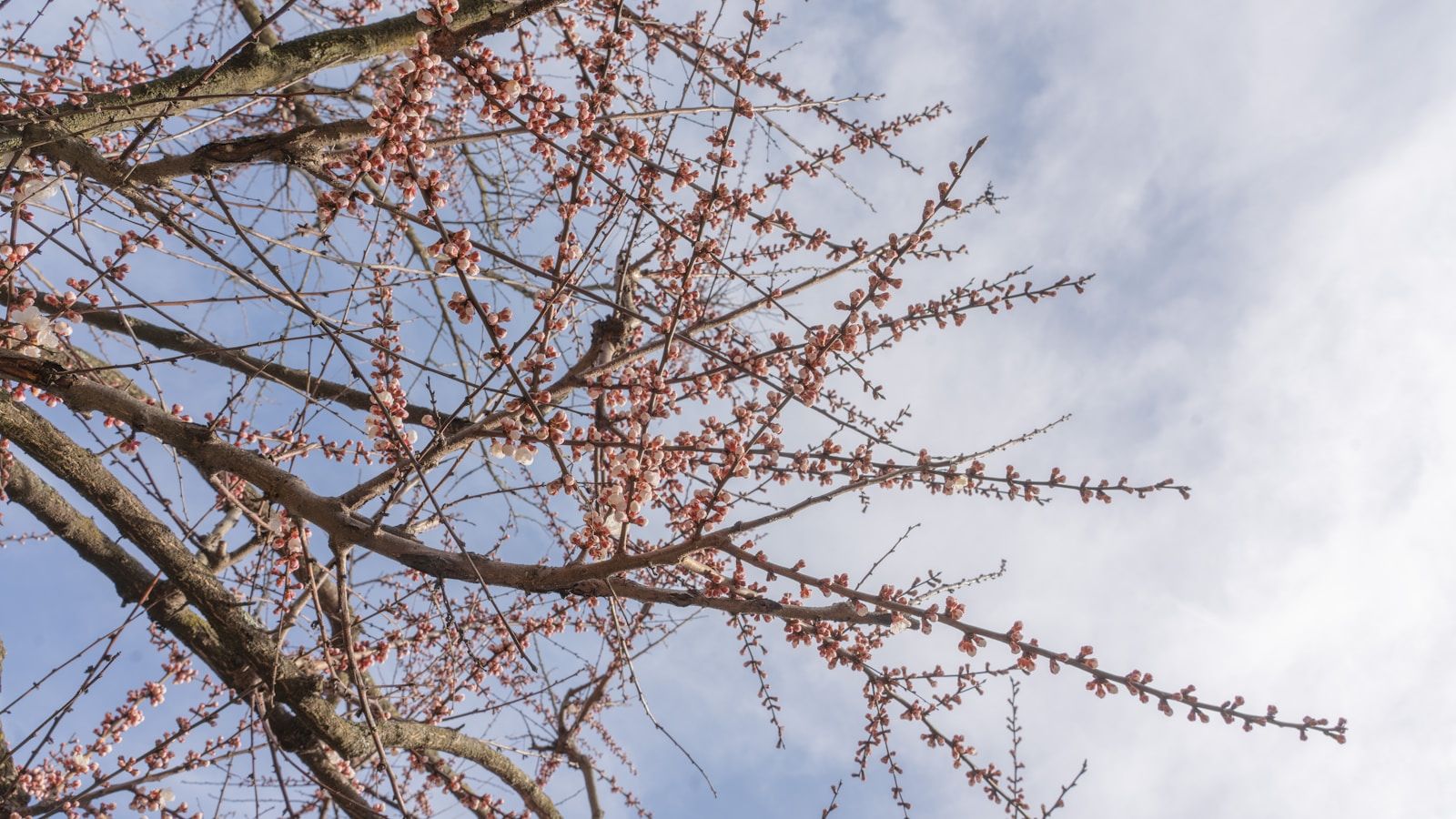
The Cherry Esplanade‘s two allées of Kanzan cherry trees — roughly 200 trees in total — burst into bloom at once, creating a tunnel of deep pink so dense it blocks the sky. The garden runs a Cherry Watch: an online tracker that updates bloom status day by day. People check it the way others check the weather.
The Sakura Matsuri festival runs during peak bloom every year, filling the weekend with taiko drumming, ikebana flower-arranging demonstrations, tea ceremonies, and food from Brooklyn’s Japanese community. Fifty thousand people can pass through those gates in a single weekend.
It is, by any measure, New York City’s most beautiful annual tradition that tourists consistently miss.
Enjoying this? Join New York lovers getting stories like this every week. Subscribe free →
The Garden Beyond the Blossoms
The cherry trees bring the crowds, but the Brooklyn Botanic Garden earns its reputation through every season.
The Cranford Rose Garden, opened in 1927, holds more than 5,000 rose plants across over 1,000 varieties. In June, when it peaks, brick paths wind between beds planted in every shade from white to near-black. It’s as ornate as anything you’d find in the formal gardens of Europe.
The Lily Pool Terrace offers something more contemplative: a formal reflecting pool framed by columned pavilions and seasonal plantings. It’s most peaceful on a weekday morning, when the garden is almost empty.
The Discovery Garden was built specifically for children — a space where Brooklyn kids can dig, plant, and learn what soil actually smells like. The Native Flora Garden traces the ecology of the New York region from maritime dunes to mountain ridgelines across a single, beautifully designed landscape.
Getting There and What to Know Before You Go
The garden has two main entrances: the grand gates on Eastern Parkway near the Brooklyn Museum, and a second entrance on Washington Avenue.
The easiest route from Manhattan is the 2 or 3 train to Eastern Parkway–Brooklyn Museum, which puts you at the front gate. The B and Q trains stop at Prospect Park station — a five-minute walk from the Washington Avenue entrance and a good choice if you’re also spending time in Prospect Park, which borders the garden to the west.
Admission is ticketed for most visitors, but the garden opens its gates free of charge on Friday mornings from 10am to noon, and on several community days throughout the year. Check before you go — it’s one of the better free things to do in New York City, if the timing lines up.
Plan for two hours at minimum. Plan for four if it’s June or cherry season, and you have nowhere else to be.
Frequently Asked Questions
What is the best time to visit the Brooklyn Botanic Garden?
Late April to early May is peak cherry blossom season — the most dramatic and popular time to visit. June brings the Cranford Rose Garden into full bloom. The Japanese Hill-and-Pond Garden is worth visiting any time of year, including autumn when the maples turn.
Is the Brooklyn Botanic Garden free to visit?
General admission is ticketed (around $22 for adults in 2026), but the garden offers free entry on Friday mornings from 10am to noon and on designated community free days. Children under 12 are always admitted free. Check the official Brooklyn Botanic Garden website for the current free-day schedule before planning your visit.
How long does it take to explore the Brooklyn Botanic Garden?
A comfortable walk through the main highlights — the Japanese Hill-and-Pond Garden, the Cherry Esplanade, the Rose Garden, and the Lily Pool Terrace — takes about two hours. If you’re visiting during cherry blossom or rose season, or have children with you, allow three to four hours.
How do I get to the Brooklyn Botanic Garden from Manhattan?
Take the 2 or 3 train to Eastern Parkway–Brooklyn Museum station — you’ll be at the main gate in under 30 minutes from Midtown. The B or Q to Prospect Park station also works well and adds a scenic walk through Grand Army Plaza.
You Might Also Enjoy
- The Park Frederick Law Olmsted Called His Masterpiece — the full story of Prospect Park, right next door to the garden
- Why New Yorkers Still Make the Pilgrimage to Coney Island Every Summer — the history of Brooklyn’s most iconic shoreline
- The Brooklyn Neighborhood Artists Built — Then Could No Longer Afford — the full story of Williamsburg’s extraordinary transformation
Plan Your New York Trip
Wondering when to visit and how to fit it all in? Our month-by-month guide to the best time to visit New York City breaks down the seasons, the crowds, and the events — so you can plan around cherry blossoms, roses, or anything else the city has to offer.
Join 1,100+ New York Lovers
Every weekday morning, get New York’s hidden gems, neighbourhood stories, food origins, and city secrets — straight to your inbox.
Subscribe free — enter your email:
📲 Know someone who’d love this? Share on WhatsApp →
Love more? Join 65,000 Ireland lovers → · Join 43,000 Scotland lovers →
Free forever · Unsubscribe anytime

Subscribe Free