
Millions of people carry New York City in their blood. Your great-grandmother may have arrived at Ellis Island with nothing but her name. Your great-grandfather may have worked a pushcart on Orchard Street. Your family may have lived in a tenement on the Lower East Side.
New York holds their records. And those records are more open than ever.
If you love New York’s hidden stories, you will love our free weekly newsletter. Subscribe to Love New York →
This guide covers every major archive for tracing your New York City ancestry. It does not matter whether your family came from Ireland, Italy, Eastern Europe, the Caribbean, or West Africa. The records are there.
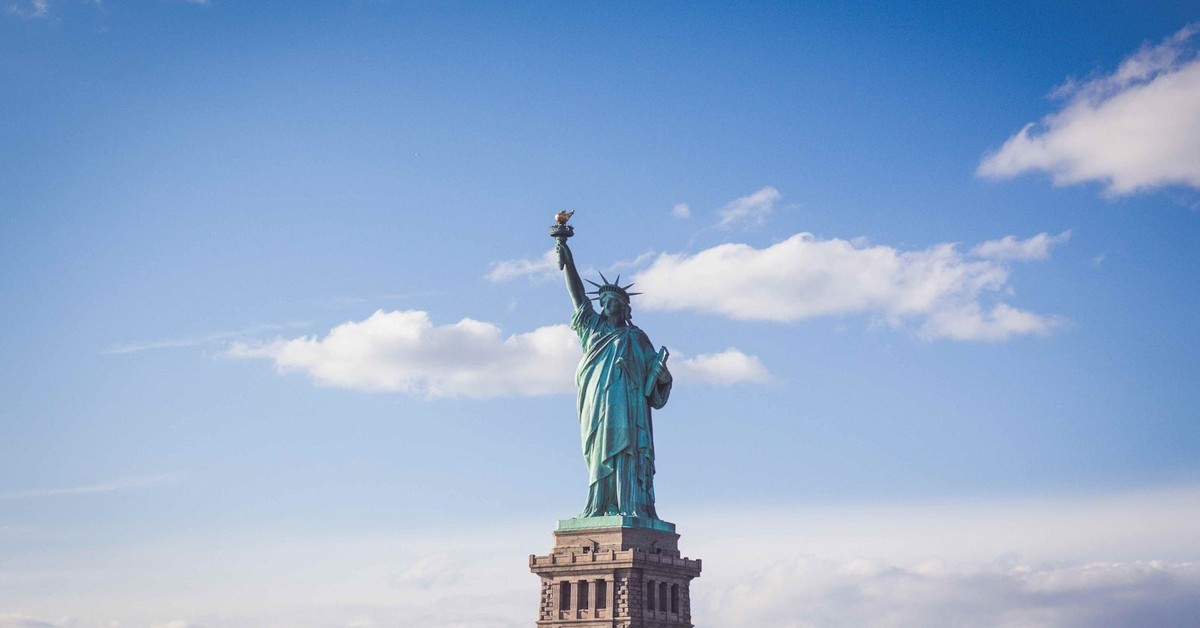
Start at Ellis Island
Between 1892 and 1954, over 12 million immigrants entered the United States through Ellis Island. If your family came from Europe in that period, they almost certainly came through here.
The Ellis Island database is free. Search it at libertyellisfoundation.org. Try your surname. Try different spellings too. Many names were changed at entry.
Each record includes the full name as recorded on arrival, age and birth date, country of birth, ship name and arrival date, occupation, the contact in America (often a relative already settled here), and the amount of money carried.
The contact person listed is often the most useful detail. It shows exactly where your family first settled.
If your family arrived before 1892, try Castle Garden at castlegarden.org. Castle Garden was the earlier immigration station. It operated from 1855 to 1890.
NYC Vital Records — Births, Marriages, and Deaths
The New York City Department of Records holds birth, marriage, and death certificates back to 1866. Access is through the NYC Department of Records and Information Services.
- Birth records from 1866 to 100 years ago are open to the public
- Death records from 1866 to 50 years ago are open
- Marriage records from 1866 to 50 years ago are open
- Older records are held at the Municipal Archives on Chambers Street in Manhattan
The Municipal Archives also holds naturalisation records and old city directories. If you can visit in person, it is worth the trip.
FamilySearch and Ancestry — Start Here Online
Before visiting any archive, start online. Both FamilySearch (free) and Ancestry.com (paid) hold large collections of New York records.
FamilySearch holds New York state censuses from 1855 to 1925, federal censuses from 1790 to 1940, church records for many New York parishes, and immigration and naturalisation records.
The US federal census lists whole families at a single address. One entry can give you parents, children, grandparents, birthplaces, and jobs — all at once. Search the census first. It is the fastest starting point.
Want more stories like this? Our weekly newsletter goes deeper into New York’s heritage every week. It is free. Subscribe here →
The New York Public Library
The New York Public Library holds one of the best genealogy collections in the world. It is free to use.
The Milstein Division of US History, Local History and Genealogy is at 476 Fifth Avenue, room 121. It holds city and state directories going back to the 1840s, telephone directories, passenger lists, naturalisation records, neighbourhood archives, and immigrant press collections.
The library also gives free in-building access to Ancestry Library Edition. You can use it from home too, with a New York Public Library card.
YIVO Institute for Jewish Research
If your family came from Eastern Europe and were Jewish, YIVO is essential. It holds records of communities that no longer exist.
After the Holocaust, survivors brought much of what remained to New York. What YIVO holds cannot be found anywhere else. The institute is at 15 West 16th Street in Manhattan.
YIVO holds landsmanshaftn records (mutual aid societies organised by town of origin), lists of Jewish emigrants by town, photographs and letters from destroyed communities, and access to JewishGen — the largest online resource for Jewish genealogy.
The Jewish community that built the Lower East Side lives on in YIVO’s archives.
Finding the Exact Building Your Family Lived In
Finding the building changes everything. It is one thing to read a name in a census. It is another to stand outside the actual door.
Start with the census. Once you have a name and a rough date, search the federal census for that person. The census lists the exact street address.
Then check the NYC Department of Buildings database. Enter the address to see what stands there now.
Many tenement buildings in the Lower East Side still exist. The Tenement Museum at 97 Orchard Street is built inside an actual tenement. Over 7,000 people lived there between 1863 and 1935. Tours focus on specific families whose records survive.
Immigrant Newspapers
Immigrant communities ran their own papers. These papers carried births, deaths, marriages, and letters from home. Searching your surname in the right paper can surface details that no official record holds.
- The Forward (Yiddish Jewish paper, 1897 to present) — fully searchable at forward.com
- Irish World and American Industrial Liberator — held at the NY Public Library
- Il Progresso Italo-Americano — Italian paper, held at the Library of Congress
- El Diario de Nueva York — Puerto Rican and Spanish-language press
- Chronicling America at loc.gov/chroniclingamerica — thousands of historic pages, free to search
DNA Testing and Your NYC Heritage
A DNA test does not replace paper records. But it opens doors that paper cannot.
For New York ancestry, a DNA test can confirm your ethnic background, connect you to living relatives in America and abroad, and help you identify matches in databases of millions of people.
AncestryDNA has the largest database. 23andMe has the best health reports. Family Tree DNA has the strongest Y-DNA and mitochondrial records for tracing paternal and maternal lines.
Contact your matches. Even a third cousin may hold a piece of your puzzle.
Plan Your New York Heritage Visit
There is a difference between reading about your ancestors and standing where they stood. New York makes it possible to do both.
Key sites for family historians in the city:
- Ellis Island National Museum of Immigration — ferry from Battery Park, Lower Manhattan
- Tenement Museum — 97 Orchard Street, Lower East Side
- YIVO Institute — 15 West 16th Street, Manhattan
- New York Public Library — 476 Fifth Avenue, Milstein Division room 121
- Municipal Archives — 31 Chambers Street, Manhattan
Pair Ellis Island with the Tenement Museum. Both sites sit in Lower Manhattan. Together they tell the full story of arrival and settlement.
Our Irish Lower Manhattan Walk traces the exact streets your Irish ancestors would have known. It is a two-hour walk through Five Points and the old Irish quarter.
For the Italian story, The Little Italy Heritage Walk shows what has survived and what has gone.
To understand what the city looked like when your family first arrived, our piece on life in New York in 1910 gives you a vivid picture of the streets, the rents, and the work.
Frequently Asked Questions
Where can I search Ellis Island records for free?
The official Ellis Island database is free at libertyellisfoundation.org. FamilySearch.org also holds large immigration collections at no charge. Try different spellings of your surname, as names were often changed or recorded differently at entry.
How do I find where my ancestors actually lived in New York City?
Search the US federal census on FamilySearch — it lists exact street addresses. Once you have an address, check it in the NYC Department of Buildings database. The Tenement Museum in the Lower East Side can also help if your family lived in that area.
What records does the New York City Municipal Archives hold?
The Municipal Archives holds birth, marriage, and death records from 1866 onwards, plus naturalisation records and old city directories. Records are available in person at 31 Chambers Street in Manhattan. Some digitised records are also searchable on FamilySearch.
Are there free genealogy databases I can use from home?
Yes. The New York Public Library gives free access to Ancestry Library Edition from home with a library card. FamilySearch is entirely free with a basic account. YIVO’s JewishGen is also free for Eastern European Jewish research.
Ready to explore the New York your ancestors knew? Subscribe to Love New York — free weekly stories, heritage guides, and hidden history. Join us →
