
Hell’s Kitchen sits on the west side of Midtown Manhattan, stretching from 34th Street to 59th Street between Eighth Avenue and the Hudson River. For decades it was one of New York City’s most rough-edged neighbourhoods. Today it ranks among the most rewarding places in the city to spend a day — packed with independent restaurants, a strong arts scene, Hudson River piers, and the kind of local character that polished tourist districts rarely have. If you want to discover a side of Manhattan that feels genuinely lived-in, Hell’s Kitchen delivers.
What and Where Is Hell’s Kitchen?
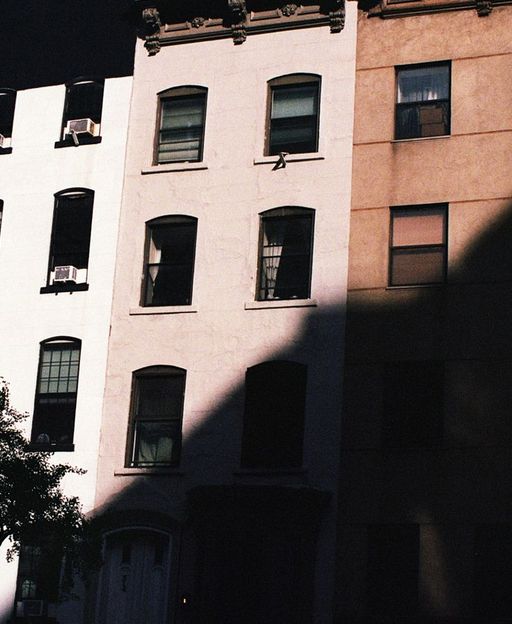
The neighbourhood takes its dramatic name from a 19th-century nickname. The exact origin is disputed, but the area was once associated with tough working-class tenements, Irish gangs, and the rough edges of industrial New York. Today those associations are mostly historical curiosity. The neighbourhood also goes by its official name, Clinton, though almost nobody uses it. Locals and visitors call it Hell’s Kitchen, and the name has become a badge of identity rather than a warning.
The neighbourhood borders some of Manhattan’s most famous addresses. Midtown with its theatres and skyscrapers lies to the east. Chelsea and the Garment District sit to the south. The Upper West Side starts to the north. The Hudson Yards development — New York’s newest neighbourhood — rises just below Hell’s Kitchen’s southern edge. Directly to the west, the Hudson River piers offer spectacular views of the New Jersey Palisades and open water.
Getting here is simple. The A, C, E, and 1 subway lines all run through or close to the neighbourhood, making it easy to reach from anywhere in Manhattan. Many visitors combine a trip to Hell’s Kitchen with a Broadway show, a stroll along the High Line, or a look at the galleries and markets just south in Chelsea.
The Restaurant Scene: Why Food Is the Heart of Hell’s Kitchen
If one thing defines Hell’s Kitchen in the 21st century, it is the food. The neighbourhood has become one of the most diverse eating destinations in New York City — no small claim given the competition. Restaurant Row on West 46th Street between Eighth and Ninth Avenues draws the biggest crowds. The better discoveries happen when you wander to Ninth and Tenth Avenues, where independent spots cluster without tourist markups.
The neighbourhood reflects New York’s immigrant heritage in its cuisine. Thai, West African, Puerto Rican, Brazilian, Korean, and Mexican restaurants sit alongside classic American diners, Italian trattorias, and some of the city’s most creative chef-led spots. The stretch of Ninth Avenue between 37th and 57th Streets rewards exploration over planning. Walk in any direction and something interesting turns up.
Hole-in-the-wall Thai joints, proper Mexican taquerias, and a handful of places that have served the same neighbourhood for thirty years — that is the Hell’s Kitchen food experience at its best. For a broader guide to New York’s dining scene, see our complete NYC food guide.
Hudson River Park and the Piers
The western edge of Hell’s Kitchen opens onto Hudson River Park, one of Manhattan’s most underrated green spaces. This riverside park runs the full length of the neighbourhood’s western boundary. The section through Hell’s Kitchen — particularly the piers between 34th and 59th Streets — offers wide open river views and a very different experience from the busy streets just a few blocks inland.
Pier 84 at West 44th Street is one of the most popular spots. It has a grassy lawn, kayaking and boating access in summer, and excellent views across to New Jersey. On weekends in warm weather, this space becomes a genuine community gathering point. Locals bring food, musicians set up, and the atmosphere is relaxed in a way that feels a world apart from the Times Square crowds just ten minutes away on foot.
Pier 86 is home to the Intrepid Sea, Air and Space Museum. The Intrepid is a decommissioned aircraft carrier now housing a remarkable collection of aircraft, a British Airways Concorde, a space shuttle exhibit, and a submarine. Families with children consistently rate it as one of New York’s best museum experiences. The pier and surrounding park area are free; the museum charges admission.
Theatre and the Arts
Hell’s Kitchen sits directly adjacent to the Broadway Theatre District, and the connection runs deep. Actors, dancers, musicians, and stagehands have lived here for generations. The bars and cafés serve a theatre crowd before and after shows. The neighbourhood also has its own cluster of smaller Off-Broadway and Off-Off-Broadway theatres that produce some of New York’s most interesting work outside the main houses.
For Broadway shows, the main theatres along 44th and 45th Streets are a short walk from Hell’s Kitchen’s core. The neighbourhood makes an excellent base for a theatre-focused New York visit — you can walk to most shows, the restaurants are excellent for pre-theatre dinner, and accommodation options tend to be cheaper than staying in Times Square itself. Check our guide to where to stay in New York City for the best options nearby.
Beyond Broadway, the neighbourhood has a long tradition of independent arts spaces. Studio workshops, dance rehearsal rooms, and small performance venues fill the upper floors of buildings along the avenues. The theatre industry’s presence means Hell’s Kitchen has always attracted creative people who bring energy and ideas that extend well beyond the stage door.
Hell’s Kitchen Flea Market and Local Shopping
The Hell’s Kitchen Flea Market runs on weekends at 39th Street between Ninth and Tenth Avenues and is one of New York City’s best outdoor markets. Vendors sell vintage clothing, jewellery, records, furniture, art, and the kind of New York ephemera — concert posters, old photographs, handmade ceramics — that you will not find in any chain shop. The market draws serious collectors and casual browsers alike. Admission is free.
The surrounding streets have a cluster of independent shops that serve the neighbourhood’s resident community: wine shops, cheese shops, neighbourhood bookshops, and a few design stores selling locally made goods. This is not a shopping destination in the way that SoHo is, but it is a genuine neighbourhood shopping experience — the kind that has largely disappeared from other parts of Midtown Manhattan.
Ninth Avenue between 37th and 57th Streets is the spine of this shopping and dining world. Walk the full length of it and you get a real sense of how the neighbourhood functions day to day. The bodega sits beside the wine bar. The Dominican restaurant shares a block with a Japanese ramen shop. New York’s immigrant layers are visible and alive here rather than preserved in a museum.
The History of Hell’s Kitchen
Hell’s Kitchen’s history is genuinely interesting and worth knowing before you visit. The neighbourhood developed rapidly in the mid-19th century as waves of Irish immigrants settled on Manhattan’s West Side, drawn by dock work along the Hudson River and the slaughterhouses and factories that lined the area. By the 1870s and 1880s it was one of the city’s most densely populated and impoverished areas, with Irish, German, Italian, and later Puerto Rican communities crowded into tenement blocks.
The Hell’s Kitchen gangs of the 19th and early 20th centuries were real, not just local legend. The Westies, the neighbourhood’s most notorious Irish-American gang, operated well into the 1980s. The neighbourhood’s tough reputation persisted through much of the 20th century, even as it slowly transformed. Gentrification gathered pace from the 1990s onwards as the theatre and restaurant industries created demand for affordable housing close to Midtown.
Today’s Hell’s Kitchen occupies an interesting middle ground: affordable enough to retain a mixed community, close enough to Midtown to attract visitors, and culturally rich enough to reward serious exploration. That balance will not last indefinitely — Manhattan’s transformation never stops — but right now it is one of the most genuinely interesting neighbourhoods in the city.
Practical Tips for Visiting Hell’s Kitchen
Hell’s Kitchen is a walkable neighbourhood. A morning market visit, a stroll along Hudson River Park at Pier 84, lunch on Ninth Avenue, an afternoon at the Intrepid, and a pre-theatre dinner along Restaurant Row makes a full day without needing the subway once you arrive.
The neighbourhood is busiest on weekend afternoons when the flea market runs and in the evenings when theatre-goers fill the restaurants. For a quieter visit, weekday mornings are excellent. The Ninth Avenue food shops open early, the piers are calm, and you can explore the residential side streets with far fewer crowds.
For a broader look at how to make the most of your time near Hell’s Kitchen, see our guide to free things to do in New York City — several of the best free activities in the city are found in and around this neighbourhood, from the Hudson River piers to the High Line just to the south.
Is Hell’s Kitchen safe for tourists in 2026?
Hell’s Kitchen is safe for tourists in 2026. The neighbourhood has transformed significantly since its rough industrial past and today is a busy Manhattan district with a healthy mix of residents, restaurant-goers, and theatre visitors at most hours of the day and evening. Standard city awareness applies — keep valuables secure and stay on the main avenues in the late evening.
How do I get to Hell’s Kitchen by subway?
The A, C, and E trains stop at 42nd Street–Port Authority, placing you right in the heart of Hell’s Kitchen. The 1 train runs up Eighth Avenue with stops at 34th, 42nd, and 50th Streets. From Times Square, you can walk to most parts of Hell’s Kitchen in under ten minutes.
What is the best street to walk in Hell’s Kitchen?
Ninth Avenue between 37th and 57th Streets is the best single street in Hell’s Kitchen for experiencing the food scene, independent shops, and local character. For river views, walk west to Hudson River Park along Pier 84. For the neighbourhood’s quieter residential side, the cross streets between Ninth and Tenth Avenues — particularly 46th through 52nd Streets — have well-preserved brownstones and a calmer atmosphere away from the main avenue bustle.
Join 1,000+ New York Lovers
Every week, get New York’s hidden gems, local secrets, and travel inspiration — the kind you won’t find in any guidebook.
Subscribe free — enter your email:
Love more? Join 64,000 Ireland lovers → · Join 43,000 Scotland lovers → · Join 30,000 Italy lovers →
Free forever · One email per week · Unsubscribe anytime
