
Where to stay in New York City is one of the first decisions every visitor has to make. The city covers five boroughs and dozens of distinct neighbourhoods. Each one feels different. Some buzz with tourist energy. Others run at a quieter, more local pace. Get your base right and the whole trip flows. Get it wrong and you spend half your time on the subway.
This guide covers the best areas for every type of visitor. Whether you want to be at the centre of the action, explore a real neighbourhood, or find something calmer, New York has a pocket of the city that suits you perfectly.
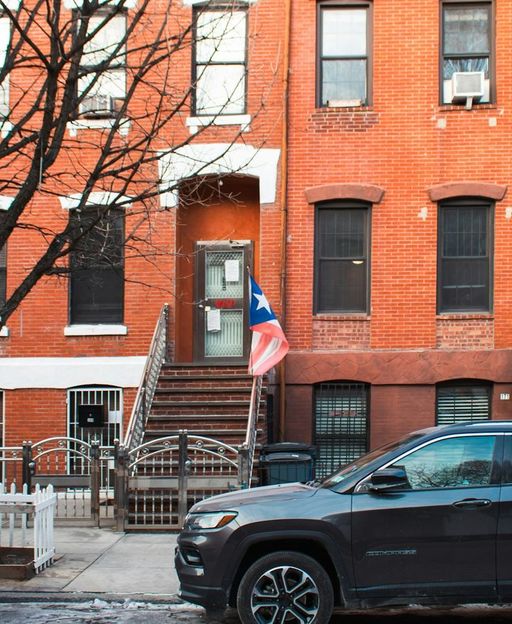
How to Choose Where to Stay in New York City
Start with what you want to do each day. Plan to visit Central Park, the High Line, and the Empire State Building? Staying in Manhattan makes mornings easier. Want to eat your way through diverse neighbourhoods and get off the beaten track? Brooklyn or Queens might suit you better.
Transport matters a lot here. New York’s subway connects almost everywhere in the city. Midtown and Lower Manhattan have the densest coverage. Outer Brooklyn and parts of Queens involve more changes and longer journey times.
Price is another key factor. Manhattan has the highest accommodation costs in the city. Brooklyn, Queens, and Harlem regularly offer more space for your money. They keep you just as well connected. Before your trip, check our New York travel budget guide to understand what a trip here really costs.
Best Neighbourhoods in Manhattan
Midtown — Best for First-Time Visitors
Midtown sits at the heart of New York City. Times Square, Grand Central Terminal, the Rockefeller Center, Fifth Avenue, and Bryant Park all sit here. If this is your first visit, Midtown keeps you within walking distance of the sights most people come to see.
The trade-off is atmosphere. Midtown can feel more like an airport than a neighbourhood. Times Square never really quietens down. A few blocks in any direction and things change fast. Hell’s Kitchen to the west has excellent informal restaurants. The streets near Bryant Park and Murray Hill feel much calmer and more liveable.
Upper West Side — Best for Families
The Upper West Side runs from Central Park West to the Hudson River. It covers roughly 59th to 110th Streets. This is New York at its most relaxed and residential. Tree-lined streets, brownstone buildings, and easy access to Central Park make it a wonderful base for families.
Riverside Park runs along the Hudson River. It gives you another big green space for mornings and evenings. Broadway cuts through the middle and lines up with restaurants and delis that feel like the real New York. Our guide to the Upper West Side covers everything worth doing once you arrive.
Chelsea — Best for Culture Lovers
Chelsea sits on the west side of Manhattan, between 14th and 34th Streets. It is home to the High Line, the Chelsea Market, and one of the world’s densest clusters of contemporary art galleries. If modern art, design, and food culture matter to you, Chelsea is hard to beat.
The neighbourhood has a relaxed daytime energy and a lively restaurant scene at night. The Hudson River Greenway runs right along the waterfront. It makes a great morning walk or cycle. See our complete Chelsea visitor guide for more.
Greenwich Village and the West Village — Best for Atmosphere
Greenwich Village — especially the West Village section — delivers some of the most characterful streets in Manhattan. Cobblestoned lanes, red-brick townhouses, independent coffee shops, and small restaurants fill this neighbourhood below 14th Street. It feels like a European quarter dropped into a world city.
Washington Square Park sits at the heart of the Village. Students, chess players, families, and musicians all share it. The neighbourhood is also walkable to SoHo, the High Line, and the Lower East Side. It works brilliantly as a base for travellers who love to explore on foot. Our Greenwich Village guide has everything you need.
SoHo and the Lower East Side — Best for Nightlife and Shopping
SoHo occupies the cast-iron building district south of Houston Street. Designer boutiques, independent fashion labels, and excellent restaurants fill its compact, walkable grid. The Lower East Side sits just to the east. It offers live music venues, cocktail bars, and some of the best cheap food in the whole city.
Both neighbourhoods suit younger travellers and anyone who wants to spend evenings out in Manhattan’s most interesting dining and arts scene. Subway connections from both areas are strong. Our SoHo neighbourhood guide is a great starting point.
Staying in Brooklyn: Why Cross the Bridge?
Brooklyn consistently ranks among the best parts of New York for visitors who want a less tourist-heavy experience. The borough is vast. Each neighbourhood carries its own identity. Multiple subway lines connect Brooklyn to Manhattan quickly and easily. Many areas now rival Manhattan for restaurants, bars, and cultural interest.
Williamsburg — Best for Independent Travellers
Williamsburg sits just across the East River from Lower Manhattan. The L train connects it to Manhattan in under ten minutes. The neighbourhood delivers Brooklyn’s most vibrant street life. Murals, food markets, rooftop bars, record shops, and a world-class restaurant scene all cluster here.
It suits travellers who want a real neighbourhood feel without giving up easy Manhattan access. The main strip along Bedford Avenue buzzes in the evenings. The waterfront park along the East River offers a spectacular view of the Manhattan skyline across the water.
Brooklyn Heights and DUMBO — Best for a Quieter Stay
Brooklyn Heights offers one of the most iconic views of the Manhattan skyline in the whole city. The Brooklyn Heights Promenade sits above the East River. Streets lined with 19th-century brownstones give the area a genuine residential calm. It feels quite different from the Midtown rush.
DUMBO (Down Under the Manhattan Bridge Overpass) sits just below Brooklyn Heights. This former industrial district now fills with design studios, restaurants, and galleries. The famous view of Manhattan framed between the Brooklyn and Manhattan Bridge spans draws visitors from across the city. Our complete Brooklyn guide covers both areas in detail.
Park Slope — Best for a Local Feel
Park Slope runs along the western edge of Prospect Park — Brooklyn’s answer to Central Park. The neighbourhood feels calm and residential. Independent bookshops, farmers’ markets, family restaurants, and brownstone terraces line the streets. It suits visitors who want a genuine taste of Brooklyn neighbourhood life over tourist-centre energy.
Harlem and Upper Manhattan
Harlem deserves serious consideration as a base. The neighbourhood has deep cultural roots — in jazz, in the Harlem Renaissance of the 1920s, in African American food and music traditions. Today it combines that heritage with a vibrant dining scene and some of the best live music venues in the whole city.
Accommodation in Harlem tends to cost less than in Midtown or downtown Manhattan. The 2 and 3 subway lines connect Harlem to the rest of the city quickly. Visit Marcus Garvey Park, eat at a soul food restaurant on Lenox Avenue, and try a gospel brunch on a Sunday morning. Our Harlem guide covers all of it.
Practical Tips for Your New York Stay
Book early. New York fills up quickly, particularly in autumn, spring, and around major city events. The shoulder seasons — March to May and September to November — bring pleasant weather. Prices often sit lower than the peak summer months.
Think carefully about your plans before committing to a neighbourhood. A full week gives you time to explore from almost any base. A long weekend works best when you stay close to your main priorities.
Whatever neighbourhood you choose, the subway is your best tool. An unlimited MetroCard for the length of your stay gives you the freedom to roam the whole city without watching costs. From almost any neighbourhood in this guide, Manhattan’s main sights sit thirty minutes away or less. Our New York transport guide explains exactly how to get around.
Frequently Asked Questions About Where to Stay in New York City
What is the best area to stay in New York City for first-time visitors?
Midtown Manhattan works best for first-time visitors. It puts you within walking distance of the city’s most iconic landmarks. It also has the densest subway connections to everywhere else. Alternatives like the Upper West Side or Chelsea offer more neighbourhood character while keeping you equally well connected.
Is it better to stay in Manhattan or Brooklyn?
Both have real advantages. Manhattan puts you closest to the major sights. Brooklyn gives you more neighbourhood character, often more space, and frequently lower accommodation costs. Williamsburg and Brooklyn Heights are particularly well connected and popular with visitors who want to experience a more local side of the city.
How far in advance should I book accommodation in New York City?
Book at least two to three months ahead for visits during spring, autumn, or around any major event. Summer fills up months in advance. Last-minute options exist but carry high prices and limited choice, especially in popular Manhattan and Brooklyn neighbourhoods.
Join 1,000+ New York Lovers
Every week, get New York’s hidden gems, local secrets, and travel inspiration — the kind you won’t find in any guidebook.
Subscribe free — enter your email:
Love more? Join 64,000 Ireland lovers → · Join 43,000 Scotland lovers → · Join 30,000 Italy lovers →
Free forever · One email per week · Unsubscribe anytime
