
On any given Saturday night in 1920s Harlem, someone would pin a handwritten card to a telephone pole. The message was simple: come to apartment 4B, bring fifty cents, eat well, and dance until sunrise. What happened inside those cramped rooms would change American music forever.
The Problem That Created a Party
Harlem in the 1920s was electric with possibility — and perpetually short on cash. Tens of thousands of Black Americans had migrated north during the Great Migration, chasing better wages and lives free from the violence of the Jim Crow South. They found Harlem. And they found each other.
But the rent was brutal. Harlem landlords charged Black tenants far more than white tenants paid elsewhere in the city. For many families, the difference between staying housed and being evicted came down to one question: who did you know?
The answer became the rent party.
How a Rent Party Actually Worked
The formula was elegantly simple. If your rent was overdue, you threw a party. You’d print a little card — sometimes called “The Function” or “The Parlor Social” — and circulate it through the neighborhood. Push the furniture against the walls, hire a pianist for a few dollars, and sell plates of food and cups of homemade gin at the door.
Guests paid what they could. By the end of the night, you’d have the rent money. Sometimes more.
The parties ran from Saturday night into Sunday morning. In a single Harlem block, three or four might happen simultaneously. Guests moved between apartments like bees between flowers, chasing the best music, the best food, the most electric atmosphere.
The Pianists Who Made the Music
Here’s where the rent party stops being a survival story and becomes a revolution.
The pianists who played these parties were some of the greatest jazz and blues musicians in America. They played for pocket money, a hot meal, or the pure competitive joy of it. They were showing off, pushing each other to limits they’d never reach in a concert hall.
Fats Waller. James P. Johnson. Willie “The Lion” Smith. Duke Ellington played rent parties as a young man. A teenage Count Basie sat in at the piano. These were not rehearsals. This was the fire where modern jazz was forged.
The style they developed — stride piano — had the left hand striding up and down the keyboard in a rolling bass pattern while the right hand improvised furiously above it. Stride piano became the foundation of jazz as the world came to know it. It was born in a crowded Harlem apartment on a Saturday night because someone couldn’t make rent.
Enjoying this? Join New York lovers getting stories like this every week. Subscribe free →
Why These Parties Mattered Beyond the Music
Rent parties were more than financial lifelines. They were democratic spaces in a city that wasn’t.
In a Harlem apartment on a Saturday night, a building’s janitor danced next to a schoolteacher. A factory worker swapped stories with a poet. The Harlem Renaissance — the great flowering of Black American art and culture in the 1920s — happened partly because rent parties created the human networks that made it possible.
Langston Hughes wrote about rent parties. Zora Neale Hurston attended them for her research. The tradition held together an entire community at a moment when the country was still deciding whether that community deserved to flourish.
If you want to understand how Black America created something beautiful out of economic hardship, the rent party is where you start. You can learn more about the jazz world they built by visiting the Louis Armstrong House in Queens, where one of the rent party era’s greatest stars eventually made his home.
Where Harlem’s Musical Spirit Lives Today
Harlem has changed enormously since the 1920s. But the neighbourhood’s musical DNA runs deep, and the landmarks of that era are still there for anyone willing to look.
Minton’s Playhouse on West 118th Street still hosts live jazz. It was here, in the early 1940s, that bebop was born — the next musical revolution after stride. Sylvia’s Restaurant on Lenox Avenue has fed Harlem since 1962 and remains the neighbourhood’s most iconic table.
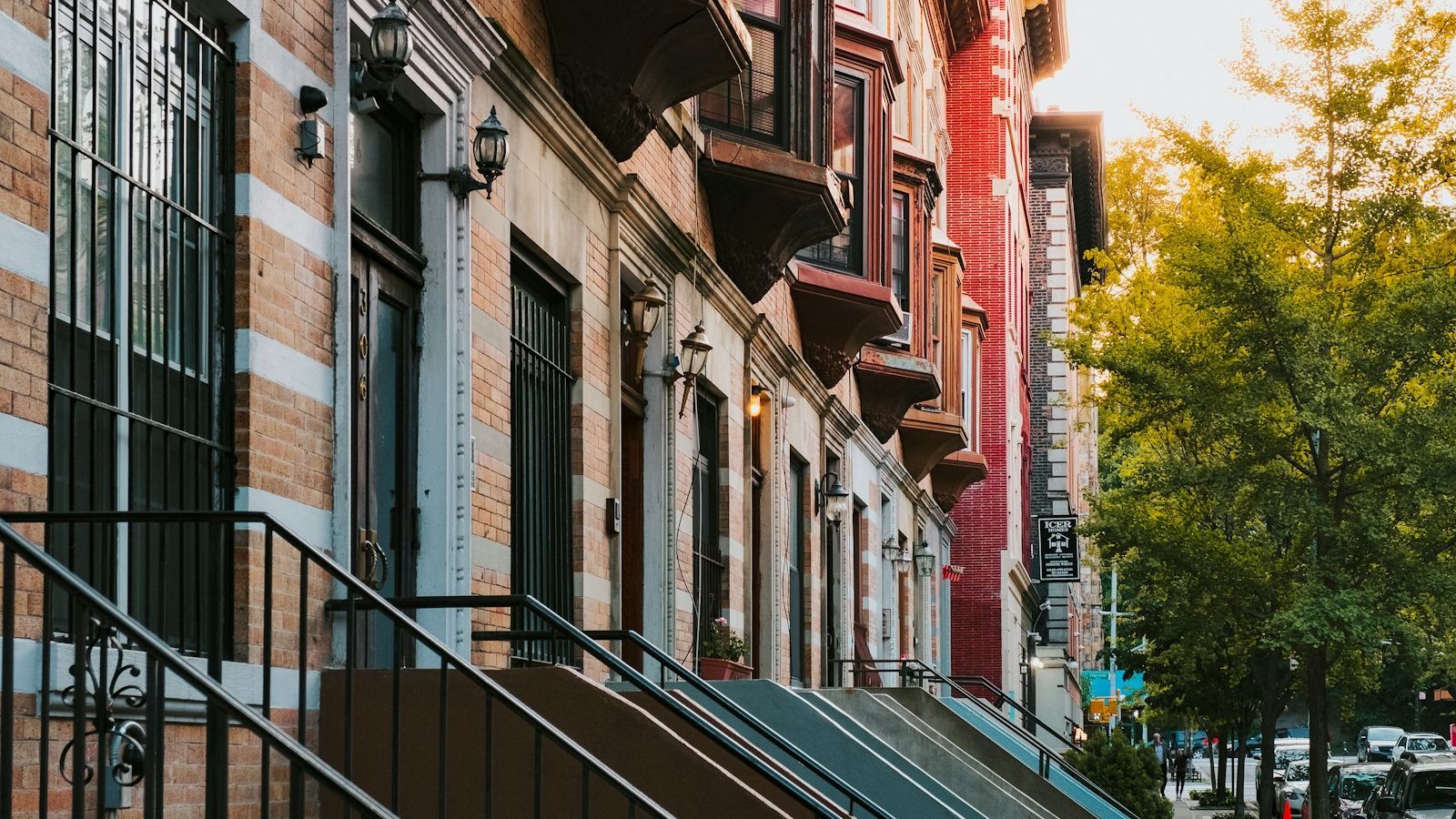
Walk through Strivers’ Row — the elegant brownstones on West 138th and 139th Streets — and you’re in the centre of the rent party world. These buildings housed the doctors, lawyers, and entertainers who threw the best parties and invited the greatest musicians.
The music that changed everything was born in rooms just like these. On exactly these streets. On nights that began with a handwritten card on a telephone pole and ended with someone’s rent paid and American music transformed.
If you love jazz, if you love New York — you owe something to those Saturday nights.
Frequently Asked Questions About Harlem Rent Parties
What was a Harlem rent party?
A Harlem rent party was a paid social gathering popular in the 1920s and 1930s where a tenant unable to pay rent would host a party, charging a small admission fee. The proceeds helped cover the month’s rent — and the tradition launched some of the greatest music New York has ever produced.
When did Harlem rent parties take place?
Rent parties peaked between the 1920s and 1940s, spanning the Harlem Renaissance and the Great Depression. They typically ran on Saturday nights and lasted until early Sunday morning, with multiple parties often happening on the same block simultaneously.
What music was played at Harlem rent parties?
Live piano was the heart of every rent party, particularly stride piano — a style where the left hand rolls up and down the keyboard while the right hand improvises above it. Legendary musicians including Fats Waller, James P. Johnson, Duke Ellington, and the young Count Basie all played these gatherings early in their careers.
Can you experience Harlem’s jazz history today?
Absolutely. Minton’s Playhouse on West 118th Street still hosts live jazz in the very building where bebop was invented. The brownstone-lined streets of Strivers’ Row and Hamilton Heights look largely as they did during the rent party era.
You Might Also Enjoy
- The Louis Armstrong House in Queens — Inside the Home of a Jazz Legend
- The Best New York City Neighborhoods for First-Time Visitors
- Washington Square Park: The History Behind New York’s Most Famous Gathering Place
Plan Your New York Trip
Ready to explore Harlem and beyond? Our 3-day New York City itinerary covers the neighborhoods, landmarks, and hidden gems that make this city unlike anywhere else on earth.
Join 1,100+ New York Lovers
Every weekday morning, get New York’s hidden gems, neighbourhood stories, food origins, and city secrets — straight to your inbox.
Subscribe free — enter your email:
📲 Know someone who’d love this? Share on WhatsApp →
Love more? Join 65,000 Ireland lovers → · Join 43,000 Scotland lovers →
Free forever · Unsubscribe anytime

Subscribe Free