
Walk north along Frederick Douglass Boulevard past 116th Street, and something shifts. The music changes. The smells change. The language changes. You’re still in Manhattan — but the rhythms feel like they belong somewhere along the coast of Senegal.
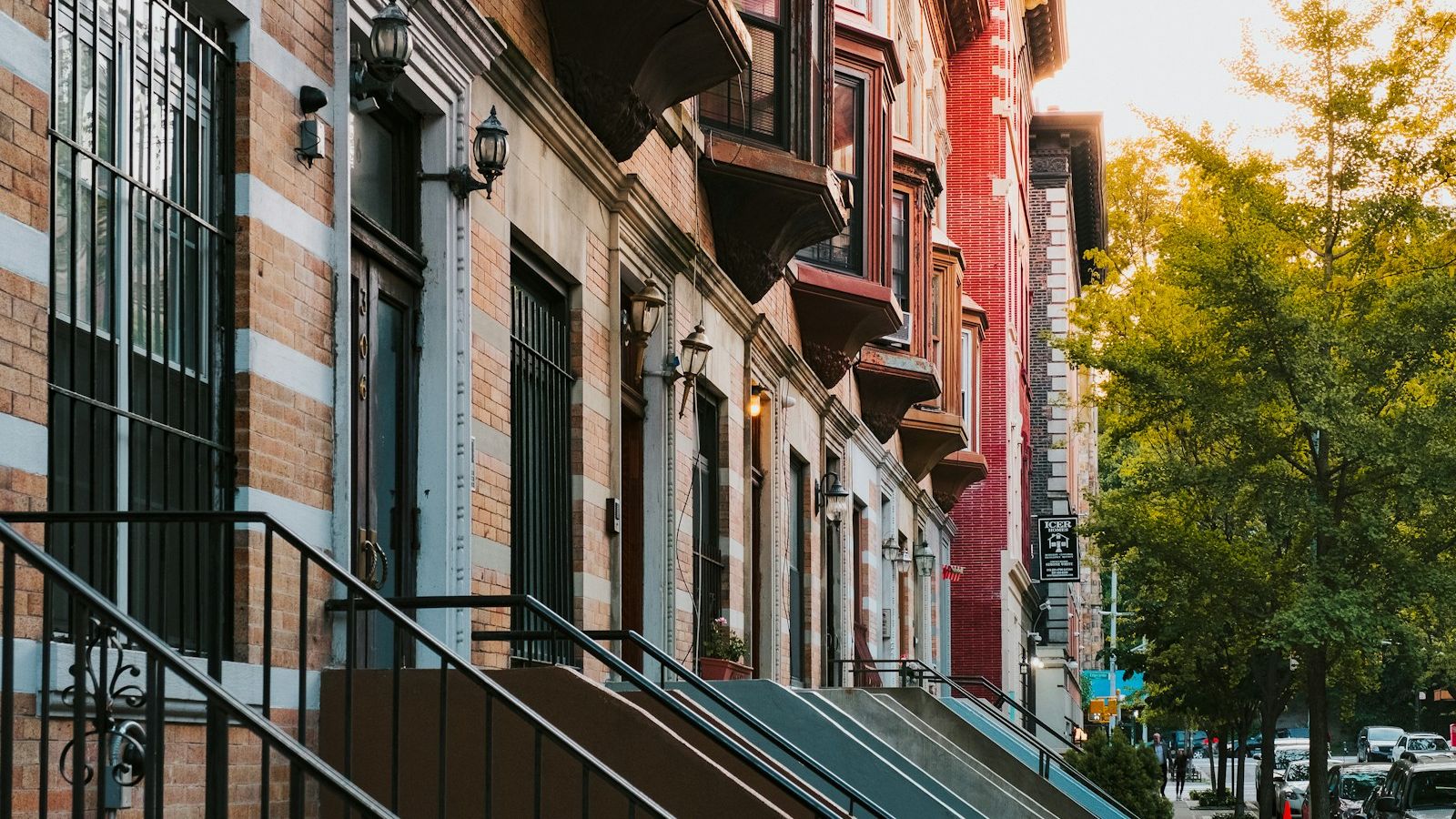
New York’s most famous immigrant neighborhoods are well documented: Chinatown, Little Italy, Washington Heights. But Little Senegal — a stretch of West Harlem centered on 116th Street — gets almost none of that attention. It’s been here for decades. Most people who live ten blocks away have never walked through it.
A Corner of Harlem Nobody Talks About
West African immigrants began settling this part of Harlem in the 1980s. They came primarily from Senegal, Guinea, Mali, and Côte d’Ivoire. Many were traders. Others brought skills, foods, and traditions that had no equivalent anywhere else in the city.
The anchor point is 116th Street between Frederick Douglass Boulevard and Lenox Avenue. Within a few blocks, the neighborhood becomes something that feels genuinely different from the rest of Manhattan.
There are no neon signs advertising it. No “Welcome to Little Senegal” arch at the entrance. It exists quietly, fully, on its own terms.
What You’ll Find on 116th Street
Walk this stretch and you’ll pass stores stacked floor to ceiling with West African fabric — rich indigo, burnt orange, and deep green in bold geometric patterns. Boutiques sell traditional boubous alongside modern styles fused with African prints.
The hair braiding salons are serious operations. Women come from across the five boroughs for intricate cornrow and box braid work from stylists who have been refining their craft for decades. On a busy Saturday, you’ll need an appointment.
Street vendors sell CDs and recordings of kora music — a West African harp-like instrument whose sound is unlike anything else you’ll hear in Manhattan. It drifts out of shops onto the sidewalk, mixing with the smell of grilling meat and slow-cooked stews.
The Food Is the Real Reason to Come
Senegalese cuisine is one of the least-known West African food traditions in the United States — and one of the most layered.
Start with thiéboudienne, Senegal’s national dish: a complex rice and fish preparation slow-cooked with tomato, onion, and a broth that develops over hours. Senegalese cooks consider it the benchmark against which all other dishes are measured.
Yassa is grilled chicken or fish marinated in lemon juice, onion, and mustard, then slow-cooked until the onion dissolves into something rich and slightly sharp. Mafé is a peanut stew — thick, warm, deeply satisfying — that has sustained West African families for generations. Several small restaurants on 116th Street have been serving these dishes since the 1990s. The best ones fill up by early afternoon.
Enjoying this? Join New York lovers getting stories like this every week. Subscribe free →
The Community Behind the Streets
This is not a neighborhood built for tourists. It was built because it had to be.
West African immigrants — particularly members of the Mouride brotherhood, a Sufi Islamic order with roots in Senegal — pooled resources, started businesses, and built an infrastructure for new arrivals to find work and belonging. The mutual support network that emerged was more than cultural; it was how people survived.
The annual Grand Magal celebration, which commemorates a sacred journey from Senegalese religious history, draws thousands of people to 116th Street each year. It’s one of the most significant events in the West African diaspora in New York — and almost entirely absent from the city’s press coverage.
Harlem’s layered history runs deep. The same neighborhood that produced the Harlem Renaissance and the rent parties that accidentally invented American music has been quietly home to this West African community for more than forty years.
How to Experience Little Senegal
The best time to visit is a Saturday or Sunday morning, when the street is most active and the restaurants are cooking their first batches of thiéboudienne. Come hungry, and bring cash — most small businesses don’t take cards.
Take your time. This is a neighborhood built on conversation and hospitality, and the warmth of the welcome tends to emerge when you’re clearly not in a hurry. The B and C trains stop at 116th Street–Cathedral Pkwy, putting you at the center of the neighborhood in seconds.
New York has neighborhoods like this scattered across all five boroughs — from Washington Heights, where the Dominican Republic never left, to the Queens neighborhoods that rewrote the story of immigration entirely. Little Senegal is among the most unexpected and most overlooked of them all.
What is Little Senegal in New York City?
Little Senegal is the informal name for the West African community centered on 116th Street in West Harlem. It developed from the 1980s onward as immigrants from Senegal, Guinea, Mali, and Côte d’Ivoire settled in the neighborhood. Today it is home to Senegalese restaurants, West African fabric stores, hair braiding salons, and a significant Mouride religious community.
Where exactly is Little Senegal in Harlem?
The core of Little Senegal runs along 116th Street between Frederick Douglass Boulevard (Eighth Avenue) and Lenox Avenue (Malcolm X Boulevard) in West Harlem. Take the B or C train to 116th Street–Cathedral Pkwy and you step out right in the middle of it. From the northern edge of Central Park, it’s a ten-minute walk.
What should I eat in Little Senegal?
Order thiéboudienne (Senegal’s national dish of fish and slow-cooked rice), yassa (marinated chicken or fish in onion-lemon sauce), or mafé (peanut stew). Most restaurants are small, operate on cash only, and are best visited at lunchtime when the food is freshest. Popular spots regularly sell out before 2 p.m., so arrive early.
When is the best time to visit Little Senegal in New York?
Weekend mornings are the most lively, with street vendors, open restaurants, and active storefronts. If you can time your visit around the Grand Magal — the annual Mouride religious celebration that draws thousands to 116th Street — the atmosphere is unlike anything else in the city. The date shifts each year based on the Islamic calendar, so check in advance.
New York has always been a city of worlds within worlds — parallel neighborhoods living in full color, just beyond the edge of what most visitors see. Little Senegal has been here for forty years, two subway stops from Times Square. All it takes is knowing to walk a few blocks north on 116th Street.
You Might Also Enjoy
- The Harlem Parties That Saved Families — and Accidentally Invented American Music
- The Manhattan Neighborhood Where the Dominican Republic Never Left
- The Queens Neighborhood Built to Keep Immigrants Out — and What It Became Instead
Plan Your New York Trip
Exploring New York’s hidden neighborhoods is just the start. Our 5-day New York City itinerary covers the landmarks, the secret streets, and everything in between — so you never miss what makes this city extraordinary.
Join 1,100+ New York Lovers
Every weekday morning, get New York’s hidden gems, neighbourhood stories, food origins, and city secrets — straight to your inbox.
Subscribe free — enter your email:
Love more? Join 65,000 Ireland lovers → · Join 43,000 Scotland lovers →
Free forever · Unsubscribe anytime

Subscribe Free