
Most Americans have eaten “Chinese food” hundreds of times. Very few have ever eaten Chinese food. The dishes they know — the sweet orange sauces, the crispy noodles, the wonton soups sitting beside egg rolls — were almost entirely invented in New York. And for over a century, everyone just quietly agreed not to mention it.
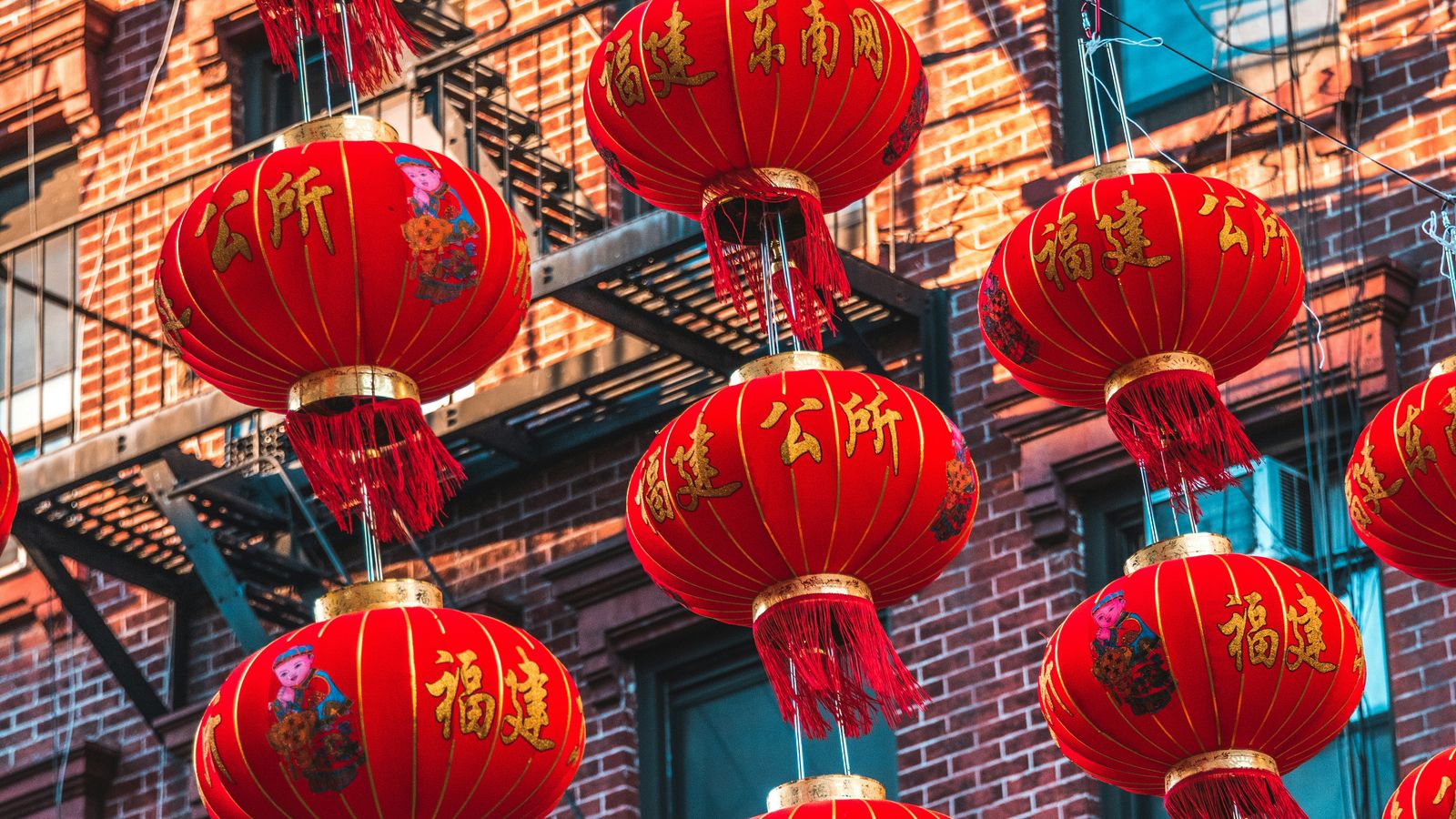
The Kitchen on Mott Street
The first Chinese immigrants arrived in lower Manhattan in the 1850s, most of them Cantonese-speaking workers who had come east after the California Gold Rush and the building of the transcontinental railroad. They settled in the few blocks around Mott Street, in a neighborhood so dense and self-sufficient it functioned as a city within a city.
They cooked for themselves. The problem was, they also needed to cook for Americans.
American diners in the 1880s had no interest in bok choy or fermented black beans. They wanted something that felt exotic but tasted familiar. So the cooks of Chinatown did what immigrant cooks have always done — they adapted. They kept the wok. They kept the technique. But the flavors shifted: sweeter, saltier, with thicker sauces and vegetables Americans recognized.
The result was something that had never existed in China, built entirely in New York.
The Chop Suey Craze That Changed America
By the 1890s, chop suey had become the signature dish of New York’s Chinese restaurants. The name comes from a Cantonese phrase meaning “miscellaneous scraps” — a practical description of a stir-fry made from whatever was available, served over rice.
It wasn’t Chinese. No one in Guangdong province had ever heard of it. But New Yorkers loved it.
Chop suey houses spread from Chinatown across Manhattan, then across the country. By the early 1900s, there were chop suey restaurants in cities that had never seen a Chinese immigrant. Church groups went for chop suey on Sundays. Working-class families ate it on Fridays. It was New York’s gift to American cooking — a whole cuisine invented in the gap between two worlds.
The chow mein followed. Then egg foo young. Then the combination plate — fried rice, egg roll, wonton soup — a neat New York invention giving diners three courses in one tray. None of it Chinese. All of it born here.
The General Who Never Ate the Dish That Carries His Name
The most famous chapter came later. In the early 1970s, a chef named Peng Chang-kuei opened a restaurant on West 44th Street in Manhattan. Peng was from Hunan province, home to one of China’s most intensely flavored regional kitchens — sharp with heat, deep in umami, nothing like the Cantonese-American food most New Yorkers knew.
He created a dish he called General Tso’s Chicken, named after a 19th-century Hunanese military figure. In Peng’s original version, it was savory and intensely spiced — austere in the Hunanese tradition.
New York had other ideas. Other chefs tasted it, adapted it, sweetened the sauce, and doubled the crunch. By the 1980s, a sticky, sweet-hot dish bearing General Tso’s name appeared on Chinese restaurant menus from the Upper West Side to upstate Vermont. Peng reportedly tasted the American version once and found it entirely unrecognizable.
General Tso himself — who died in 1895 — never knew his name would one day mean crispy chicken in a ginger-scented glaze. He was, by all accounts, a man who preferred plain rice.
Enjoying this? Join New York lovers getting stories like this every week. Subscribe free →
Where the Two Worlds Meet
Today, New York’s Chinatown — particularly the stretch of Mott, Canal, and Mulberry Streets — operates in two registers at once.
One version feeds the diaspora: regional Chinese cuisines from Fujian, Sichuan, and Wenzhou that have very little to do with what most Americans picture as Chinese food. Hand-pulled noodles. Pork-and-chive dumplings pressed fresh each morning. Soups that take a full day to prepare.
The other version is the one that traveled out from these blocks and fed a country for over a century — simpler, sweeter, built for an American palate, and no less remarkable for all that. Both are here. On the same streets. Sometimes in the same restaurant.
A Cuisine That New York Made
This is the pattern New York repeats, generation after generation. Immigrants arrive with one food culture, encounter another, and produce something that belongs to neither and both. The New York bagel wasn’t an American invention — but it became something no one in Eastern Europe would quite recognize. New York pizza happened the same way.
The dishes that feed American cities — the comfort foods, the takeout defaults, the things people order without thinking — many of them started right here, in kitchens where two cultures negotiated over a wok. That story is still cooking on Mott Street. And anyone who wants to taste both versions can.
Frequently Asked Questions
Where is Chinatown in New York City?
New York’s main Chinatown is in lower Manhattan, centered on Mott, Canal, and Mulberry Streets. It’s easily reached by subway (J, Z, N, Q, R, W, 6 lines to Canal Street) and sits just south of Little Italy and east of Tribeca.
What should I eat when I visit NYC’s Chinatown?
For authentic regional Chinese food, look for hand-pulled noodle shops, Fujianese bakeries, and dim sum restaurants on Mott Street and the surrounding blocks. For a taste of the American-Chinese tradition, the original chop suey houses are long gone — but their descendants are everywhere on Canal Street.
When is the best time to visit Chinatown in New York?
Chinatown is lively year-round, but Lunar New Year (late January or February) brings lion dancers, firecrackers, and street festivals that transform the neighborhood. Weekday mornings are quieter and better for exploring markets and bakeries without the weekend crowds.
Is American Chinese food actually served in China?
Generally, no. Dishes like chop suey, General Tso’s chicken, and fortune cookies are almost unknown in mainland China and bear little resemblance to regional Chinese cooking. They were developed by Chinese immigrants in American cities — primarily New York — for local tastes. In recent years, some Chinese restaurants in major cities have started serving them as novelties.
You Might Also Enjoy
- The Real Reason New York Pizza Tastes Different From Everywhere Else
- The Hundred-Year Bagel War That New York Has Never Managed to Settle
- New York City Itinerary: 5 Days of the Best the City Has to Offer
Plan Your New York Trip
Ready to explore New York’s neighborhoods, food culture, and hidden stories? Our 5-day New York City itinerary covers the best of Manhattan and the outer boroughs — with plenty of room for a detour into Chinatown.
Join 1,100+ New York Lovers
Every weekday morning, get New York’s hidden gems, neighbourhood stories, food origins, and city secrets — straight to your inbox.
Subscribe free — enter your email:
Love more? Join 65,000 Ireland lovers → · Join 43,000 Scotland lovers →
Free forever · Unsubscribe anytime

Subscribe Free