
Every city that has ever tried to make pizza has, at some point, claimed to have figured it out. They haven’t. New York pizza is not an opinion — it’s an experience, and the reason it’s unlike anything else is stranger, and older, than most people realize.
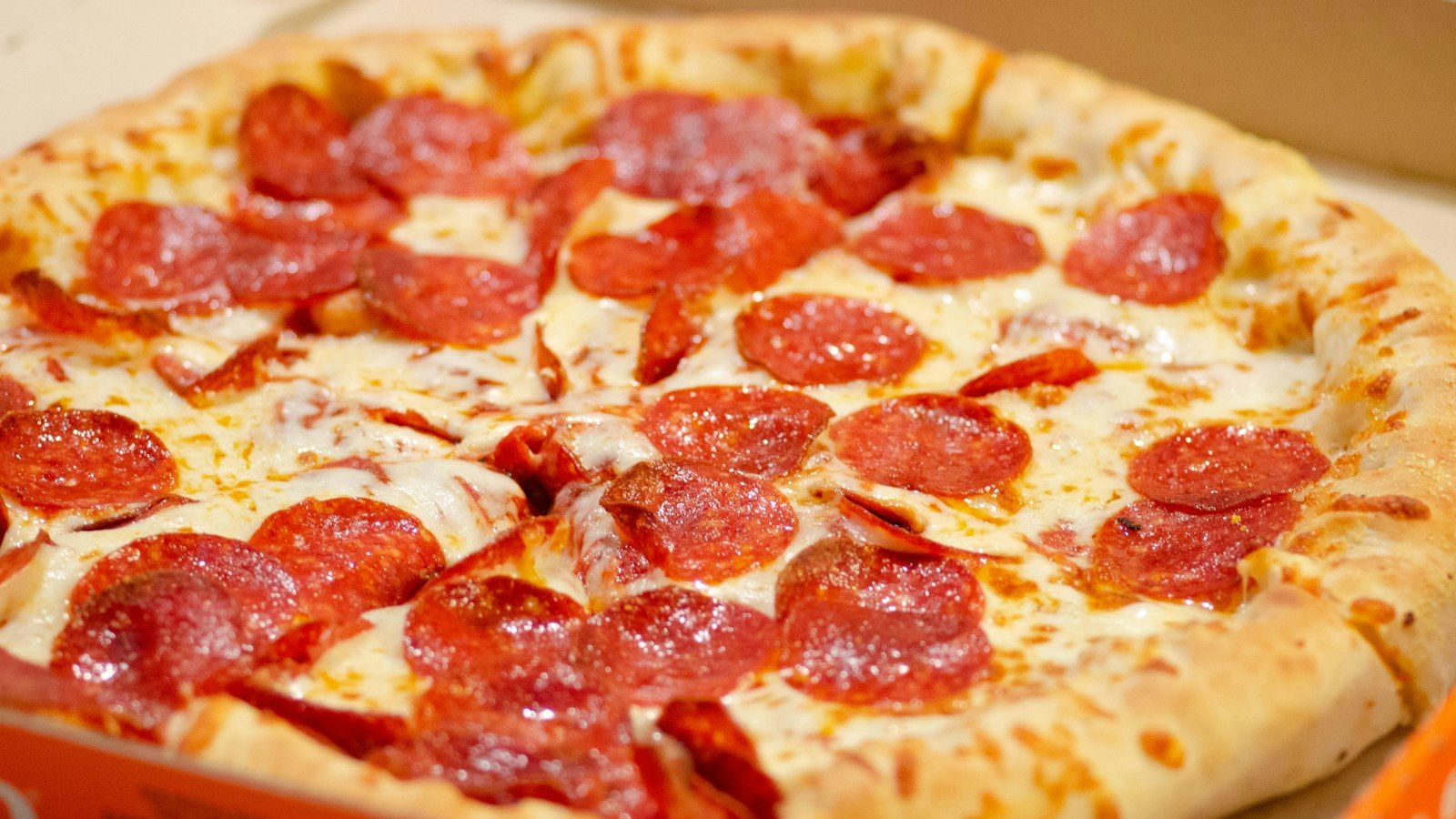
It Started on Spring Street
The story begins in 1905. Gennaro Lombardi opened a small grocery on Spring Street in Manhattan’s Little Italy, and started selling pizza by the slice — the first documented pizzeria in the United States. He had brought the technique from Naples, where pizza had been street food for the poor for centuries. In New York, it became something else entirely.
Lombardi’s still exists. The address changed, but the coal-fired oven — or at least the lineage of it — remained. More importantly, what Lombardi started became a template every pizzeria in New York would inherit, adapt, and argue about for the next hundred years.
By the 1930s and 1940s, pizza shops had spread from Little Italy into Brooklyn, the Bronx, and Queens. Each borough developed its own preferences. Each neighborhood had its own guy. And nobody agreed on whose slice was better.
The Water Argument — Again
New Yorkers who move away from the city talk about two things they can’t replicate at home: bagels and pizza. And in both cases, they point to the water. New York City’s water supply comes from reservoirs in the Catskill Mountains — soft, low in minerals, unusually clean. The argument is that this chemistry creates a specific gluten structure in the dough that no other city can match.
It sounds like local mythology, and food scientists are cautious about confirming it. But pizzerias in other cities have literally imported New York water or installed filtration systems to replicate the mineral profile. The results are inconclusive. New Yorkers remain unconvinced that anything outside the five boroughs counts.
The truth is probably more complicated: the water plays some role, but so does the high-gluten flour most New York shops use, the coal or gas ovens cranked to 800 degrees, and the simple fact that these bakers have been doing this for generations. Technique accumulates. You can’t bottle that.
The Fold Is the Point
A New York slice is not designed to be eaten flat. It’s large, thin in the center, and slightly floppy — which is intentional. The fold down the middle is not a habit or an affectation. It’s structural engineering. Folding the slice creates a channel that keeps toppings in place, concentrates the flavors, and lets you eat it walking down the street without losing cheese on your shoes.
This matters more than it sounds. New York pizza was always street food. It was made to be grabbed from a counter, wrapped in paper, and eaten on the move. The fold is how you manage a 10-inch slice while carrying a coffee and arguing about the subway. It is the product of the city itself.
Deep-dish, loaded, thick-crust pizza exists. New Yorkers do not consider it pizza in the same category. This is not snobbery — it’s taxonomy.
Enjoying this? Join New York lovers getting stories like this every week. Subscribe free →
The Great Coal Oven Question
The oldest pizzerias in New York — Lombardi’s, Totonno’s in Coney Island, John’s of Bleecker Street — were built around coal-fired ovens. Coal burns hotter than wood or gas, and it burns more evenly. The result is a crust that chars in seconds on the bottom while the cheese still has time to bubble and brown on top. That char — bitter, slightly smoky, a little crisp — is irreplaceable.
New York City banned new coal-fired ovens in 2024 for environmental reasons. The existing ones are grandfathered in, but they can never be replaced. When those ovens finally die, something dies with them — a specific flavor that took more than a century to develop and cannot be legally re-created. Pizza historians are not taking it well.
Most pizzerias today use gas ovens, and many of them are excellent. The best operators have learned to work with the heat profiles, adjusting timing and technique to compensate. But the coal oven pizza is a ticking clock, and every New Yorker who has tasted it knows it.
The Neighborhood Wars
Ask a New Yorker where to get the best pizza and they will not give you a neutral answer. They will tell you the name of a specific place, usually in their own neighborhood, that they have been going to since childhood. The shop may not have a website. It may not take cards. It may look like nothing from the outside. None of that matters.
Di Fara in Midwood, Brooklyn, has had people queuing for hours since the 1960s. The owner, Domenico DeMarco, made every pizza himself until his late eighties. Prince Street Pizza in Nolita is a newer entry but has already inspired arguments that would seem disproportionate for a food item. Scarr’s on the Lower East Side uses organic flour and is packed every night despite — or because of — looking like it hasn’t been renovated since 1978.
That’s how New York pizza works. The best one is always the one you grew up near. The second best is everywhere else. And the worst is whatever your friend is recommending because they read about it online.
Frequently Asked Questions
Where can I find the best pizza in New York City?
Classic spots include Lombardi’s in Little Italy (America’s first pizzeria), Di Fara in Brooklyn, John’s of Bleecker Street in the West Village, and Totonno’s in Coney Island. Each borough has beloved local shops that regulars swear by — ask a resident, not a tourist app.
What makes New York pizza different from pizza elsewhere?
New York pizza uses high-gluten flour, is stretched thin by hand, and baked at very high temperatures — often in coal or gas deck ovens. The result is a large, foldable slice with a crisp base, soft interior, and lightly charred crust that no mass-produced or deep-dish pizza can replicate.
Why do New Yorkers fold their pizza slices?
The fold is structural. New York slices are large and thin in the center, so folding creates a stable channel that keeps toppings in place and lets you eat while walking. It’s a product of the city’s on-the-go food culture, not just a habit.
Can I find authentic New York pizza outside of Manhattan?
Absolutely. Some of the city’s most revered pizza institutions are in Brooklyn, Queens, and the Bronx — neighborhoods that tourists rarely reach. Di Fara in Midwood, Brooklyn, is considered by many to be the finest in the city. The outer boroughs reward the journey.
New York pizza has survived every food trend, every diet fad, every wave of gentrification, and every chain restaurant that has tried to replicate it. It has been doing this for over a century, and the slice you get today at a good New York corner shop is connected to the one Lombardi’s was selling in 1905 in a way that few foods in the world can claim. That continuity is its own kind of flavor.
You Might Also Enjoy
The Manhattan Neighborhood Where Artists Moved in Illegally — and Changed Everything
Why Greenwich Village Has Been New York’s Most Rebellious Neighborhood for 200 Years
Walk Three Blocks in Harlem and You’re Suddenly in West Africa
Plan Your New York Trip
Ready to taste your way through New York City? Explore our guides to the neighborhoods, food traditions, and hidden corners that make this city unlike anywhere else on earth.
Join 1,100+ New York Lovers
Every weekday morning, get New York’s hidden gems, neighbourhood stories, food origins, and city secrets — straight to your inbox.
Subscribe free — enter your email:
Love more? Join 65,000 Ireland lovers → · Join 43,000 Scotland lovers →
Free forever · · Unsubscribe anytime

Subscribe Free