
There are $1 books on a cart outside. Nobody is watching them.
That cart — battered red, squeezed onto the Broadway sidewalk — is how most people find The Strand. They stop to flip through a paperback. They look up at the sign. They walk inside and don’t come out for an hour.
That’s been happening since 1927. And it shows no sign of stopping.
A Street That Once Had Nearly 50 Bookshops
Benjamin Bass opened The Strand on Fourth Avenue in 1927. He was a young immigrant from Eastern Europe with a love of books and very little money. He named it after The Strand in London — a famous literary street that had meant something to him.
Fourth Avenue was the right place to be. At its peak in the 1940s and early ’50s, the stretch between Astor Place and 14th Street held dozens of bookshops. New Yorkers called it Book Row. Writers, students, professors, and collectors walked it every weekend.
It smelled like old paper. It felt like possibility.
One by one, the shops closed. Rents rose. The neighborhood changed. By the 1970s, Book Row had all but disappeared. The Strand was the last one standing from that entire era.
What 18 Miles Actually Looks Like
In 1956, Benjamin’s son Fred moved the store to 828 Broadway, near Union Square. The building is four floors. So is the inventory, in a manner of speaking.
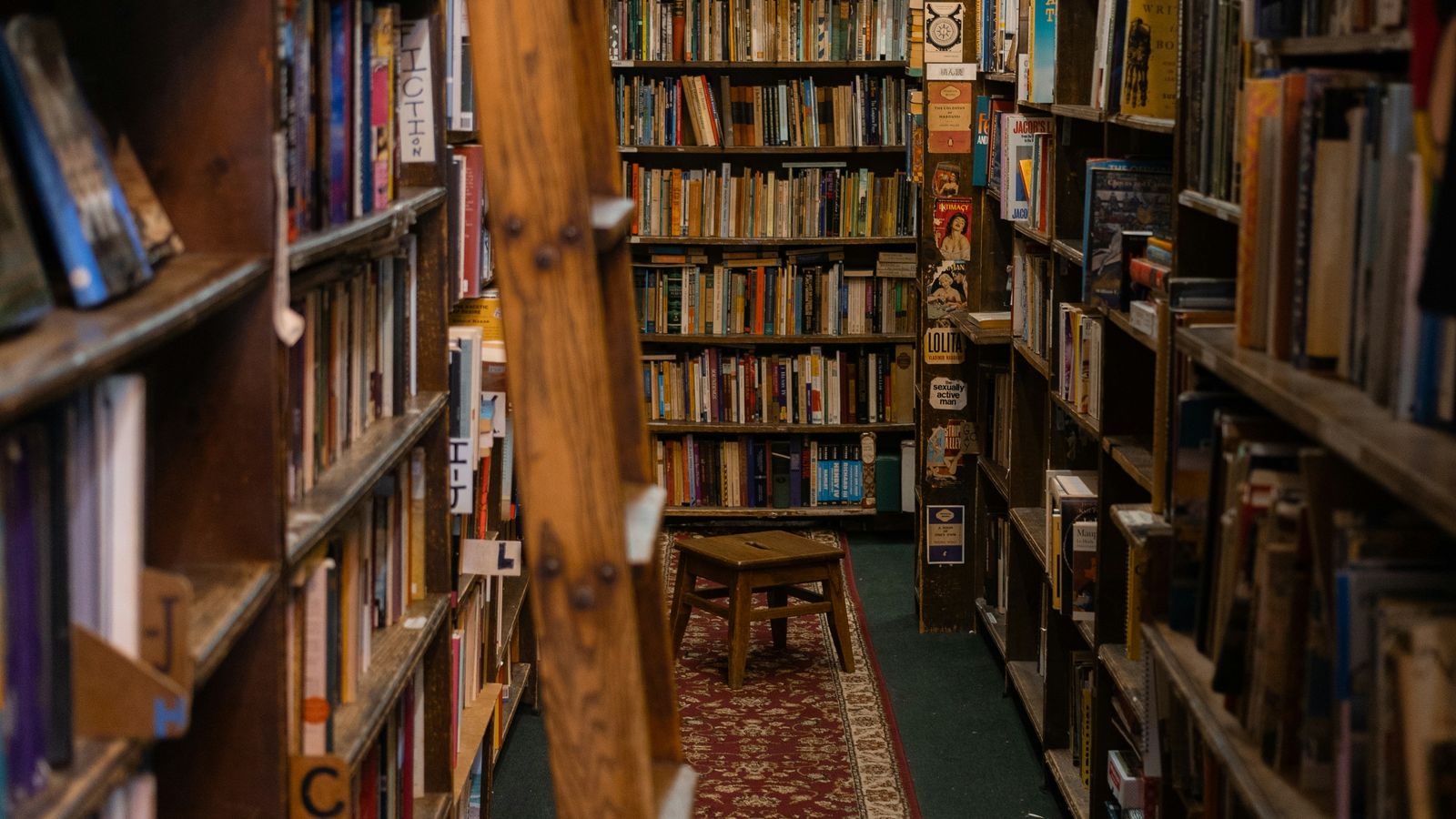
The Strand holds more than 2.5 million books. That’s where the “18 miles of books” slogan comes from — if you lined the shelves end to end, they would stretch 18 miles. The aisles are narrow. The ceilings are high.
Books are stacked everywhere: on shelves, in corners, in bins marked “Staff Picks,” “Review Copies,” or simply by subject. The outdoor $1 carts have become part of the sidewalk’s personality. You could browse them for an hour before even going inside.
Most people leave with more than they planned to buy. That’s not an accident. The Strand is built for discovery — the kind that only works when you’re surrounded by more books than you could ever read.
The Room Most Visitors Never Find
Take the stairs to the third floor. Most tourists never make it up here.
The Rare Book Room is quieter than the rest of the store. The lighting is softer. The staff speak in lower tones, and they know every item in the collection.
Here you’ll find signed first editions, illustrated art books, and rare manuscripts. Prices range from under $100 to several thousand dollars. The collection changes constantly — sourced from donations, estate sales, and private collections from across the country.
It feels less like a store and more like a private library that happens to have price tags.
Enjoying this? Join New York lovers getting stories like this every week. Subscribe free →
Every Storm New York Threw at It
In October 2012, Hurricane Sandy flooded lower Manhattan. The Strand’s basement — where much of its most valuable inventory was stored — took on water.
Staff spent days salvaging books. The store was back open within weeks.
When Amazon began reshaping how Americans bought books, The Strand adapted. It kept the things no algorithm could replicate: knowledgeable staff, the smell of old paper, the thrill of finding something unexpected in a bin you almost walked past.
Then COVID-19 hit. The store shuttered in March 2020. Owner Nancy Bass Wyden — granddaughter of founder Benjamin Bass — posted a message asking New Yorkers for help. She said The Strand needed the city to show up, even from home.
They did. Gift card sales surged. Online orders flooded in. New Yorkers who had never bought a book online placed their first order just to keep The Strand alive.
It reopened. It stayed open. It’s still there.
The Part That Never Changes
Nancy Bass Wyden has run The Strand since 1996. She grew up in the store. Her children have too. Three generations of the same family, in the same building, doing the same thing.
That kind of continuity is rare in New York City, where storefronts turn over constantly and beloved institutions disappear overnight. There is one Strand, in one building, on one corner of Broadway — and it has been there longer than most New Yorkers have been alive.
It’s where writers have come to find each other. Where readers walk in looking for one book and leave with five. Where the $1 cart on the sidewalk has outlasted entire generations of city trends, retail revolutions, and neighborhood reinventions.
New York changes fast. The Strand does not.
For more of the stories woven into New York’s literary soul, explore the West Village bar where Dylan Thomas drank his last round — a night that changed how American literature mourned its heroes. Or discover the lunch table that launched American humor, still standing in the same midtown hotel where it all happened.
You Might Also Enjoy
- The West Village Bar Where Dylan Thomas Drank His Last Round — and American Literature Changed Forever
- The Lunch Table That Changed American Humor — and You Can Still Sit There Today
- The New York Neighborhood That Almost Died — and Ended Up Changing the World
Plan Your New York Trip
The Best Neighbourhoods in NYC for Tourists — your complete guide to navigating New York neighborhood by neighborhood, from the Village to Brooklyn and beyond.
Join New York Lovers
Every weekday morning, get New York’s hidden gems, neighbourhood stories, food origins, and city secrets — straight to your inbox.
Subscribe free — enter your email:
Love more? Join 65,000 Ireland lovers → · Join 43,000 Scotland lovers →
Free forever · Unsubscribe anytime
