
New York Food Guide: The Essential Eats Every Visitor Needs to Know
No New York food guide can do full justice to a city that has been feeding the world’s imagination for well over a century. New York doesn’t just have good food — it has food that has become part of its very identity. The fold-over pizza slice grabbed at a counter. The bagel with a schmear from a deli that’s been open since six in the morning. The $2 street cart pretzel eaten beside a fountain in Central Park. Whether you’re a first-timer or a returning visitor, understanding how New Yorkers eat is one of the best ways to understand the city itself.
Why the New York Food Guide Starts With Pizza
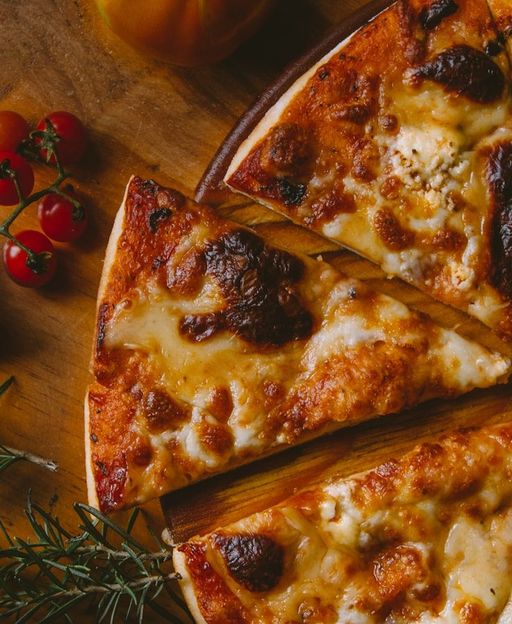
If you’re going to eat like a New Yorker, pizza is where you begin. New York-style pizza has its own rules: the crust is thin, slightly charred, foldable down the middle, and sold by the slice from a counter. You don’t sit down. You grab your slice, fold it lengthways so the tip doesn’t droop, and eat it walking. That’s it. That’s the whole technique.
The reason NYC pizza tastes different from everywhere else is something New Yorkers will tell you endlessly and with great conviction — the water. The city’s water supply is unusually soft and low in minerals, and this affects the texture of both the dough and the mozzarella. Whether you believe the water theory or not, the result is undeniable: a New York slice tastes like nothing you’ll get anywhere else. If you want to understand why, have a look at our piece on why New York pizza folds in half — it covers the whole delicious argument in detail.
For the best slice experience, head to a no-frills neighbourhood pizzeria rather than a tourist-facing spot. Look for a place with a queue, a battered counter, and a rack of trays. The fact that the name has been spray-painted onto the awning since the 1970s is generally a good sign.
Neapolitan vs. New York Slice: What’s the Difference?
You’ll also encounter Neapolitan pizza in New York — the thicker-based, wood-fired version with a puffy, blistered crust. It’s excellent in its own right, but it’s a sit-down meal rather than street food. Don’t confuse them. The New York slice is fast, cheap, and perfect for lunch between sights. The Neapolitan pizza is for when you want to slow down with a glass of wine.
Love New York?
Get weekly hidden gems, local tips, and NYC travel inspiration — free, straight to your inbox.
Bagels, Delis, and the Art of Breakfast in New York
A New York bagel is not the soft, doughy ring you’ll find pre-packaged in supermarkets across the country. The real thing is dense, chewy, with a shiny crust that comes from being boiled before it’s baked. The inside has a slight spring to it that makes it hold up to generous fillings. New Yorkers are particular about their bagels, and rightly so.
The classic order is a bagel with lox — smoked salmon — cream cheese, capers, thinly sliced red onion, and a squeeze of lemon. It is deeply satisfying and entirely portable. You can order it from a deli counter and eat it on a bench in Central Park or on the steps outside a brownstone.
The deli itself is a New York institution that deserves its own section. The classic Jewish deli — with its glass case of pastrami and corned beef, its shelves of pickles, its menu written on a chalkboard in letters that have barely changed since 1950 — is one of the city’s most important cultural exports. A pastrami on rye from a good deli is a thick, fat-marbled, pepper-crusted stack that requires both hands and no shame. Order a side of pickles. Eat slowly. You’ve earned it.
Where to Find Breakfast Like a Local
The city’s diners are also worth seeking out. New York diners — particularly the old Greek-owned ones with laminated menus and coffee served in paper cups — open early and stay open late. Eggs, home fries, toast, coffee: this is the $10 breakfast that New Yorkers have been eating since before you were born, and it’s still the best way to start a morning in the city.
New York’s Food Markets: Where the City Does Its Best Eating
Some of the best eating in New York happens not in restaurants but in the city’s markets and food halls. These are places where dozens of vendors operate side by side, and you can spend an afternoon grazing your way through cuisines from across the world.
Chelsea Market, built inside a former biscuit factory, is one of the most famous. It runs through an entire city block in the Meatpacking District and houses fishmongers, bakeries, hot sauce vendors, wine bars, and taco stands all under one roof. The building itself — with its original industrial brickwork and iron pipework — is worth seeing even if you don’t buy a thing.
The Essex Market on the Lower East Side has deep roots in the neighbourhood’s immigrant history and now operates as a food hall with an emphasis on local producers. Smorgasburg, the open-air weekend market in Williamsburg and Prospect Park, is brilliant in the warmer months — dozens of street food vendors serving everything from ramen burgers to Filipino BBQ to ice cream sandwiches.
The Union Square Greenmarket runs four days a week, year-round, and is one of the most celebrated farmers’ markets in the country. It’s where many of the city’s best chefs do their shopping, and it’s a wonderful place to pick up fresh bread, seasonal fruit, apple cider, and local cheese. If you’d like to know more about how this market changed the way New York eats, we’ve covered its remarkable history in full — have a read of our piece on the farmers’ market that changed how New York eats.
Chinatown, Little Italy, and the Immigrant Cuisines That Built New York
New York’s food story is, at its heart, an immigration story. Every wave of newcomers brought their own ingredients, techniques, and traditions, and the city absorbed them all. You can eat your way through this history without leaving Lower Manhattan.
Chinatown is one of the largest and most densely packed in the world. Dim sum, hand-pulled noodles, roast duck hanging in windows, bubble tea shops, and pastry counters piled with egg tarts and wife cakes — it’s genuinely overwhelming in the best possible way. Go on a weekend morning for dim sum, when the trolleys come around and the noise level reaches something approaching joyful chaos.
Little Italy, just a few blocks away, has shrunk over the decades as Chinatown expanded, but it still holds its ground along Mulberry Street. The cannoli are excellent. The espresso is strong. The red-and-white checked tablecloths and the photographs of Frank Sinatra on the walls are entirely intentional, and there’s nothing wrong with that. It’s a neighbourhood that knows what it is and leans into it with charm.
Further afield, Flushing in Queens has become one of the best destinations in the city for Chinese, Korean, and Taiwanese food. Jackson Heights offers some of the finest Indian, Pakistani, Bangladeshi, and Colombian cooking you’ll find anywhere in New York. These outer borough neighbourhoods are where the city’s food culture is at its most alive and most genuine. If you have an extra day, take the 7 train to Flushing — you’ll be rewarded.
New York Street Food: The Quick Bites Worth Knowing
No New York food guide would be complete without the street cart. The halal cart — usually a silver trolley manned by a vendor who arrived at four in the morning — is one of the city’s great institutions. Chicken and rice over salad with white sauce and hot sauce is the classic order, and it costs around $8. It’s filling, it’s fast, and on a cold day it might just be the best thing you eat in the city.
Hot dog carts are everywhere around Midtown and the parks, and they’re exactly as they should be — snappy, a little salty, served in a soft bun with mustard and sauerkraut. The pretzel cart, usually stationed near Central Park, produces warm, slightly soft pretzels that bear no resemblance to the dried-out packaged versions sold elsewhere. And the hot nuts cart — usually almonds or cashews roasted with cinnamon and sugar — is something your nose will find before your eyes do.
The Cheesecake Question
New York cheesecake is denser, richer, and creamier than the baked cheesecakes you’ll find in most of the world. It uses cream cheese rather than ricotta or mascarpone, and it’s typically served plain or with a fruit topping — not hidden under layers of whipped cream. It is, in the opinion of a great many people, the finest cheesecake in existence, and New Yorkers will argue at length about who makes the best one. If you want the full story of why this dessert is so fiercely defended, our article on why New York cheesecake tastes like nothing else explains it all.
Eating Well on a Budget in New York
New York has a well-earned reputation for being expensive, but the truth is that eating well here doesn’t have to cost a fortune. The pizza slice is one of the most reliable budget meals in any major city. The halal cart, the diner, the banh mi shop, the Dominican lunch counter — these are all inexpensive and excellent.
Happy hour is worth taking seriously. Many good bars serve free food — or very cheap snacks — between five and seven, and the drinks prices drop significantly. It’s a genuinely good deal in a city where a cocktail can otherwise set you back £15 or more.
For more ideas on keeping costs down without missing out on what makes New York special, our guide to free things to do in NYC covers everything from free museum days to outdoor concerts to the best views in the city that won’t cost you a penny.
Brooklyn’s Food Scene: Beyond the Hype
Brooklyn has been a food destination in its own right for well over a decade now. Williamsburg and Greenpoint have the highest concentration of restaurants and bars, but the most interesting eating is often found slightly further afield — in Carroll Gardens, in Bed-Stuy, in Crown Heights, where Caribbean, West African, and Southern American cooking sits alongside newer arrivals from across the world.
The Brooklyn food scene is younger, louder, and less formal than Manhattan’s, and there’s something genuinely exciting about it. Natural wine bars, wood-fired bakeries, Korean BBQ joints that don’t close until three in the morning — if you want to eat where the city is going rather than where it’s been, Brooklyn is the answer. For a deeper look at the borough, our Brooklyn in 48 Hours guide has everything you need to make the most of a day or two across the bridge.
Practical Tips for Eating in New York
A few things worth knowing before you go:
- Tipping is mandatory, not optional. In a sit-down restaurant, 20% is the standard. Less than 18% will be noticed. Street food and counter service don’t require a tip, though rounding up is always appreciated.
- Reservations matter at popular restaurants. If you want to eat at somewhere well-known on a Friday or Saturday night, book weeks in advance. Walk-ins are possible at lunch.
- Portions are large. Especially in delis and diners. Sharing is entirely normal and expected.
- The outer boroughs are worth the journey. Queens in particular has some of the most diverse and affordable eating in the entire city. Don’t let Manhattan monopolise your appetite.
- Opening hours vary wildly. Check before you go — some of the best places are only open for lunch, or only on certain days.
New York’s food culture is generous, opinionated, and endlessly varied. Come hungry. Come curious. And whatever you do, don’t skip the pizza.
Join 1,000+ New York Lovers
Every weekday morning, get New York’s hidden gems, local secrets, and travel inspiration — the kind you won’t find in any guidebook.
Subscribe free — enter your email:
Free forever · Unsubscribe anytime
