
In 1973, a puppeteer named Ralph Lee loaded up a cart with handmade masks and lanterns, gathered about 40 neighbors, and walked a few blocks through Greenwich Village. He wasn’t trying to start a tradition. He just wanted to share Halloween with his community.
What happened next — slowly, then all at once — is one of the most joyful origin stories New York City has ever produced.
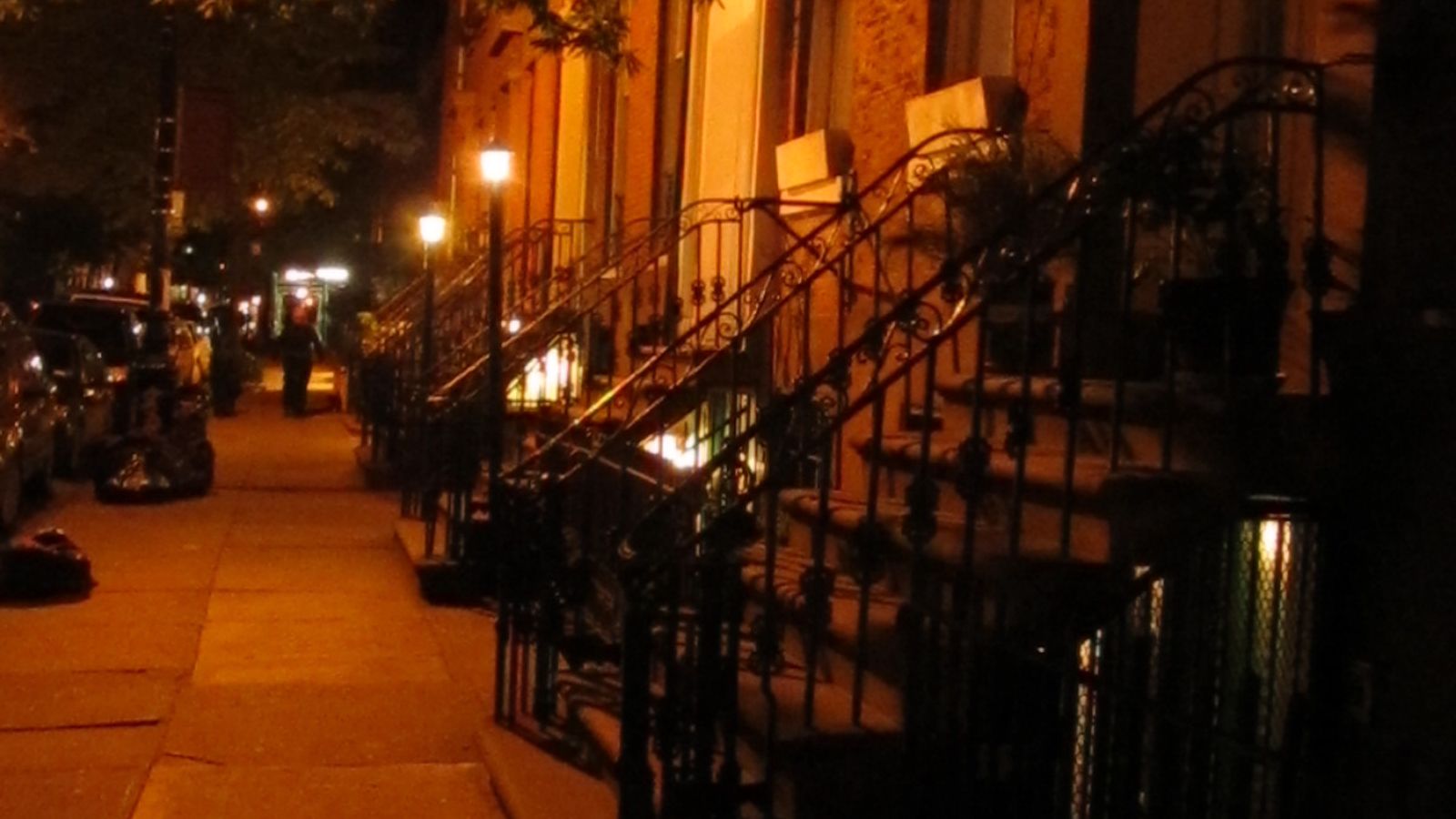
A Puppeteer, Some Masks, and a Dark October Night
Ralph Lee wasn’t a politician or a promoter. He was a mask-maker and puppeteer who had settled in the West Village, a neighborhood already known for its artists, writers, and unconventional thinkers.
His idea in 1973 was simple: a Halloween walk for neighborhood kids and neighbors, with handmade costumes, papier-mâché monsters, and a few giant puppets he’d built in his studio on Bleecker Street.
The route was barely six blocks long. The crowd was maybe 40 people. But something about it — the lanterns, the stilt-walkers, the handmade strangeness of it all — was pure magic.
From Forty Neighbors to Two Million Spectators
Word spread the following year. Then again the year after. Ralph Lee kept leading the parade himself, building more elaborate puppets each season, involving more neighbors, more artists, more musicians.
By the early 1980s, what had started as a neighborhood walk had grown into something extraordinary. Artists, dancers, drag performers, acrobats, and everyday New Yorkers were pouring into Greenwich Village every October 31st, dressed in costumes that ranged from the sublime to the surreal.
Today, the Village Halloween Parade draws an estimated 50,000 participants in costume — and up to two million spectators lining Sixth Avenue. It is the largest Halloween parade in the world. And it started with one man, a pile of masks, and a short walk through his neighborhood.
What Makes It Different From Every Other Halloween Parade
Most parades have spectators and performers. The Village Halloween Parade has almost no distinction between the two.
You don’t buy a ticket. You don’t stand behind a barrier. If you’re wearing a costume, you can join the parade — simple as that.
This is by design. Ralph Lee built the event around participation, not performance. The point was never to watch something spectacular. The point was to be something spectacular.
That ethos has survived decades of growth, city oversight, and logistical complexity. Even now, with floats and sound systems and corporate sponsors, the parade’s soul remains a Village puppeteer’s open invitation: come as you are, or come as someone else entirely.
Enjoying this? Join New York lovers getting stories like this every week. Subscribe free →
The Route That Tells Its Own Story
The parade runs up Sixth Avenue from Spring Street to 16th Street, passing through the heart of one of New York’s most storied neighborhoods. Greenwich Village has sheltered poets, painters, jazz musicians, radicals, and dreamers for over a century.
Its brownstone streets and irregular grid — a deliberate holdout against the city’s ordered plan — make it feel like a place operating by its own rules. If you want to understand what makes the Village tick, the best neighborhoods guide for NYC visitors is a great place to start before you arrive.
There’s something fitting about the world’s greatest Halloween parade being born here. The Village has always celebrated the unconventional. It’s a neighborhood that never quite agreed with the rest of Manhattan on how things should be done.
The Traditions Within the Tradition
Over five decades, the parade has developed its own rituals and recurring acts. Giant puppets — sometimes 30 or 40 feet tall, operated by teams of handlers — appear every year, many of them built in the tradition Ralph Lee established.
Elaborate drag performances have been a fixture since the late 1970s. Handmade costumes that take months to construct appear alongside people wrapped in bin bags. Brass bands weave between stilt-walkers. A skeleton float turns the corner on Spring Street and the crowd erupts every single time.
The crowds who line Sixth Avenue are as much a part of the spectacle as the marchers. Rooftop parties, apartment balconies packed with onlookers, and the occasional stranger who steps off the sidewalk and joins the procession — it all blurs into something that isn’t quite a parade and isn’t quite a party. It’s something New York invented and nowhere else has replicated.
Going to the Parade
The parade takes place every October 31st, rain or shine, typically beginning around 7pm. There are no tickets, no reserved sections, and no admission fees. Among the many spectacular free things to do in New York City, this is one of the most extraordinary — and it’s open to absolutely everyone.
For first-timers, arriving early is essential. The crowds that line Sixth Avenue can be enormous, and finding a clear viewing spot takes patience. Alternatively, wear a costume and march — the parade officially welcomes any costumed participant who wants to join.
The surrounding West Village streets come alive in the hours before the march begins, with bars, restaurants, and sidewalk gatherings adding to the electric atmosphere. For the full picture of what to expect and how to plan your visit, the complete New York City travel tips guide covers everything you need to know.
Ralph Lee stopped leading the parade himself in the mid-1980s, handing it off to the nonprofit organization that now manages it. But the spirit he created — neighborhood, handmade, open to everyone — never left.
Every October, two million people gather on a few blocks of lower Manhattan to celebrate something strange, joyful, and entirely their own. They don’t always know the name of the man who started it. But they’re living out his idea, exactly as he imagined it — just a little bigger than he ever dreamed.
You Might Also Enjoy
- The Secret Courtyards Hiding Right in the Middle of New York City’s Busiest Blocks
- The New York Hotel That Let Artists Pay Rent With Paintings — and Changed History
- Free Things to Do in NYC: The Best No-Cost Experiences in New York City
Plan Your New York Trip
Ready to experience New York City for yourself? The New York City travel tips guide covers neighborhoods, transport, timing, and everything else you need to plan an unforgettable visit.
Join New York Lovers
Every weekday morning, get New York’s hidden gems, neighbourhood stories, food origins, and city secrets — straight to your inbox.
Subscribe free — enter your email:
Love more? Join 65,000 Ireland lovers → · Join 43,000 Scotland lovers →
Free forever · · Unsubscribe anytime
