
The East Village packs more character into its few blocks than most of Manhattan manages across entire decades. If you want to find things to do in the East Village, you will not run short of ideas. This is the neighbourhood that gave New York punk rock, Ukrainian diners, and some of the most inventive food in the city. Walk these streets and you feel layers of history beneath every step. Immigrant families built lives here. Artists reinvented American music on these pavements. A community fought hard to stay itself as the city changed around it. Here is your complete guide to one of Manhattan’s most compelling neighbourhoods.
Where Is the East Village?
The East Village sits in the lower part of Manhattan. It stretches south of 14th Street, north of Houston Street, east of Third Avenue, and out towards the East River. The neighbourhood borders Greenwich Village to the west and the Lower East Side to the south. The area known as Alphabet City — named for Avenues A, B, C, and D — lies within its eastern reaches. Visitors often explore the East Village alongside Greenwich Village and the Lower East Side. Together they form one of the most walkable and historically rich stretches of the city. The closest subway stations are Astor Place on the 6 line and Second Avenue on the F and M lines.
A Neighbourhood With Layers
The East Village has always drawn people who refused to fit in elsewhere. German and Eastern European Jewish immigrants arrived here in the late nineteenth century. Waves of Ukrainians and Puerto Ricans followed, shaping the neighbourhood’s food, culture, and street life. By the 1960s, the area became a magnet for artists, musicians, and activists. Andy Warhol staged happenings here. The Velvet Underground played in lofts on nearby streets. By the mid-1970s, the East Village had become the birthplace of punk rock in America. CBGB on the Bowery hosted the earliest shows by bands that changed popular music. All of that history still lives in the neighbourhood’s bones. A walk down Second Avenue turns up Ukrainian bakeries next to Japanese ramen counters next to bars that have been pouring drinks since the 1950s.
Things to Do in the East Village: Top Highlights
Tompkins Square Park
Tompkins Square Park is the neighbourhood’s beating heart. This wide, leafy park on Avenue A has hosted political rallies, free concerts, and a vibrant farmers’ market for generations. On warm weekends, locals fill the benches and grassy areas. Dog walkers circle the perimeter. Chess players sit beneath the trees on the east side. A small bandshell at the centre hosts summer music events. Sit down with a coffee and watch the neighbourhood go by. There are few better places in Manhattan to feel the real texture of city life. The park costs nothing to visit. It is a perfect stop on a free day in New York City.
St. Mark’s Place
St. Mark’s Place is the block of East 8th Street between Second and Third Avenues. It is the neighbourhood’s most famous stretch. Vintage clothing shops, record stores, and Japanese restaurants line both sides of the street. The area has changed since its peak as the centre of East Village bohemian life in the 1970s. But it still carries an undeniable energy. Browse the vintage shops. Grab a bowl of ramen or dumplings from one of the many small restaurants. Take your time watching the street. On warm evenings, St. Mark’s Place buzzes with life in a way that few other streets in Manhattan still manage.
McSorley’s Old Ale House
McSorley’s Old Ale House on East 7th Street has served ale since 1854. It is one of the oldest continuously operating bars in New York City. The interior has barely changed in a century. Sawdust covers the floor. Old newspaper clippings hang on the walls. A coal-burning stove dates to the nineteenth century. McSorley’s serves only two drinks: light ale and dark ale. You order them in rounds of two and they arrive on the bar without ceremony. The place stays busy, particularly on weekend afternoons. This is one of those rare places where you feel the actual weight of New York’s history rather than just reading about it.
The Cooper Union
The Cooper Union sits on Cooper Square at the edge of the East Village. Founded in 1859 by industrialist Peter Cooper, it provided free higher education for working people at a time when university was available only to the wealthy. Abraham Lincoln delivered his famous Cooper Union Address here in February 1860. Many historians credit the speech with winning him the Republican nomination and, ultimately, the presidency. The Foundation Building on Third Avenue is one of the most architecturally significant structures in Lower Manhattan. You cannot tour the interior without a formal visit, but standing outside costs nothing and takes five minutes.
The Ukrainian Village
The stretch of Second Avenue between 6th and 14th Streets has been the heart of New York’s Ukrainian community for over a century. The Ukrainian Museum at 222 East 6th Street holds an impressive collection of folk art, traditional costumes, and objects documenting the Ukrainian-American experience. Nearby, the Ukrainian National Home on Second Avenue has hosted dances, dinners, and cultural events since 1918. Even without visiting either institution formally, the neighbourhood rewards wandering. Ukrainian restaurants, bakeries selling Eastern European breads and pastries, and small Orthodox churches sit side by side with newer arrivals on almost every block.
Alphabet City
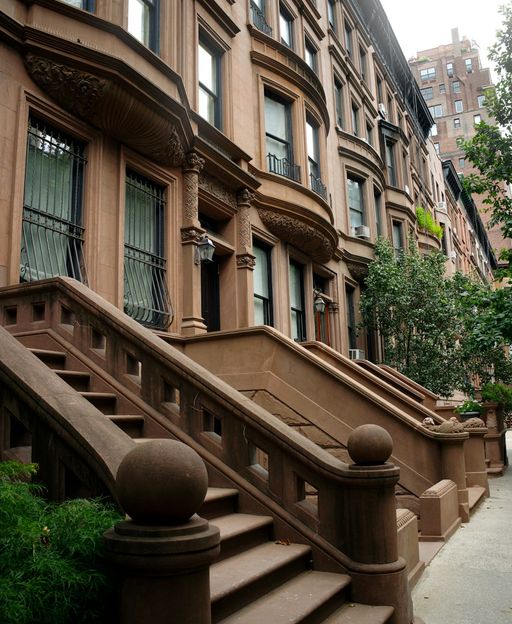
Alphabet City covers the far eastern reaches of the neighbourhood along Avenues A, B, C, and D. Avenue A stays lively, lined with bars, cafés, and restaurants that attract a younger local crowd. The further east you walk, the quieter and more residential the streets become. East River Park along the waterfront offers open views across to Brooklyn and Queens. Bike paths, ball courts, and quiet benches line the river’s edge. Alphabet City repays a long afternoon walk, particularly the blocks around Tompkins Square Park where brownstone-lined side streets give you the kind of quiet, unhurried New York that visitors rarely find.
Where to Eat in the East Village
Eating your way through the East Village is one of the great pleasures of a visit to Manhattan. The neighbourhood covers an enormous range of cuisines and budgets. Many of its best restaurants have been serving the same dishes for decades. For classic New York brunch, the East Village remains one of the best areas in the city.
Veselka
Veselka at 144 Second Avenue is a New York institution. This Ukrainian coffee shop has served borscht, pierogies, blintzes, and Eastern European comfort food around the clock since 1954. The menu runs from hearty Ukrainian classics to burgers and sandwiches. The restaurant stays open twenty-four hours a day. Late-night visitors, neighbourhood regulars, tourists, and workers on their way home share the same large dining room without ceremony. A bowl of borscht and a plate of pierogies at two in the morning is one of the more reliable pleasures the East Village offers.
Cafe Mogador
Cafe Mogador on St. Mark’s Place has served Moroccan and Mediterranean food since 1983. The shakshuka, grilled chicken, and lamb dishes draw loyal regulars. The weekend brunch queue regularly stretches out onto the pavement. The warm, relaxed interior and unhurried pace make it one of the neighbourhood’s most beloved spots. Arrive early on weekends to avoid a long wait. Weekday lunch is much calmer and a great time to visit.
Curry Row: East 6th Street
East 6th Street between First and Second Avenues houses a dense cluster of South Asian restaurants. Locals call the strip Curry Row. Indian and Bangladeshi restaurants line both sides of the street. Many are family-run establishments that have occupied the same storefronts for thirty years or more. The prices here tend to be lower than elsewhere in Manhattan. Order the lamb biryani, the dal makhani, or a basket of fresh naan and settle in for an inexpensive and satisfying meal.
Where to Drink in the East Village
The East Village has more bars per square block than almost any other neighbourhood in New York City. Options range from dive bars and craft beer pubs to cocktail lounges and sake bars. The neighbourhood features prominently in our guide to the best cocktail bars in New York City. Beyond McSorley’s, two other spots deserve special mention.
KGB Bar
KGB Bar at 85 East 4th Street occupies a second-floor space that once served as the headquarters of the Ukrainian Labour Home. Today it hosts literary readings, author events, and discussions several nights a week. The bar pours decent drinks at fair prices. The calendar of events reflects the neighbourhood’s long tradition of intellectual and artistic life. Check the KGB Bar website before you visit to see what events take place during your stay. Entry to readings is free.
Decibel
Decibel at 240 East 9th Street is a basement sake bar that draws serious sake enthusiasts from across the city. The menu runs to dozens of varieties of sake alongside Japanese snacks and small plates. The low-ceilinged, dimly lit room feels entirely separate from the neighbourhood above it. It is quiet, focused, and genuinely knowledgeable about what it serves. Go on a weeknight if you want a table without a long wait.
How to Get to the East Village
The East Village is easy to reach by subway from most of Manhattan. The 6 train stops at Astor Place, right at the western edge of the neighbourhood. The F and M trains stop at Second Avenue, bringing you directly into the heart of the area. Buses along Houston Street and 14th Street provide additional access from other parts of Lower Manhattan. The neighbourhood is also highly walkable from the Lower East Side, the Bowery, and Greenwich Village. On a fine day, the walk from Union Square to Tompkins Square Park takes about fifteen minutes and passes through some of the most interesting streets in the city.
Tips for Visiting the East Village
- Walk slowly. The East Village rewards unhurried exploration. Many of its best discoveries — a beautiful doorway, a vintage record shop, an unexpectedly good bakery — reveal themselves only when you slow down and look around.
- Come in the evening. The neighbourhood shifts dramatically after dark. Restaurants fill, bars open, and the streets take on a different energy. An evening here gives you a very different experience from a daytime visit.
- Explore beyond St. Mark’s Place. The most interesting parts of the neighbourhood often sit on quieter residential streets east of Avenue A. The further you walk from the commercial strips, the more authentic the experience becomes.
- Eat early or late. The most popular restaurants fill up quickly on weekend evenings. Arrive before 6:30pm for a table without a wait, or come after 9pm when the early rush has cleared.
- Try the Ukrainian food. Veselka and several other Ukrainian restaurants represent a genuine culinary tradition that stretches back generations. It is different from anything else Manhattan offers.
Frequently Asked Questions About the East Village
What is the East Village best known for?
The East Village is best known for its role in American music and counterculture history, its Ukrainian immigrant heritage, and its excellent restaurants, bars, and independent shops. The neighbourhood helped give birth to punk rock in the 1970s. It has a strong tradition of live music and literary culture. Today it remains one of Manhattan’s most characterful and walkable areas for visitors.
Is the East Village worth visiting for tourists?
Yes, absolutely. The East Village offers some of the most authentic neighbourhood experiences in Manhattan. Tompkins Square Park, McSorley’s, the Ukrainian Museum, and the streets of Alphabet City all give visitors a side of New York that major tourist sites do not. The food scene is diverse and excellent at every price point. The bars and cultural venues operate at a high level.
How long should I spend in the East Village?
A half-day gives you enough time to walk the main streets, visit Tompkins Square Park, and eat at one of the neighbourhood’s landmark restaurants. A full day allows a more thorough exploration — including Alphabet City, a visit to the Ukrainian Museum, and an evening spent across several bars. Many visitors pair the East Village with Greenwich Village or the Lower East Side as part of a full day in Lower Manhattan.
What is the best way to get to the East Village from Midtown?
The easiest route from Midtown is the 6 train southbound to Astor Place. The journey takes around fifteen minutes. The F or M trains from Midtown also stop at Second Avenue, bringing you directly into the neighbourhood. The trip from Grand Central or 42nd Street takes between twelve and twenty minutes depending on the line you choose.
Join 1,000+ New York Lovers
Every week, get New York’s hidden gems, local secrets, and travel inspiration — the kind you won’t find in any guidebook.
Subscribe free — enter your email:
Love more? Join 64,000 Ireland lovers → · Join 43,000 Scotland lovers → · Join 30,000 Italy lovers →
Free forever · One email per week · Unsubscribe anytime
